Europe's heatwave death toll mounts; Spain loses 1,028 lives as hospitals face climate crisis
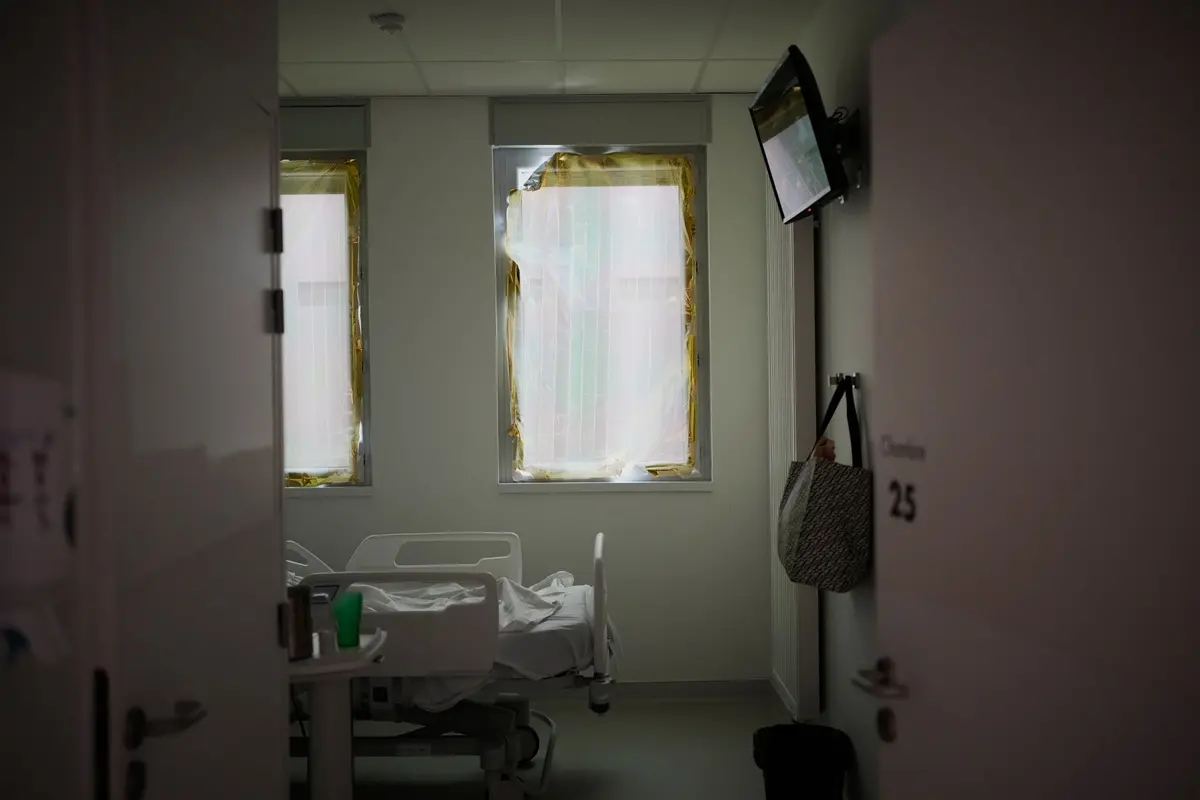
Spain has recorded a devastating loss of life, with official figures showing that more than 1,000 people died during the recent heatwave that scorched Europe. On Wednesday, health officials confirmed that at least 1,028 people lost their lives due to heat-related medical conditions. This tragic toll is a sharp increase compared with the previous year. To put it into perspective, the 1,028 deaths recorded recently are more than double the 407 deaths reported in June 2025, which was previously the hottest June on record. The national weather agency, Aemet, reported that the first six months of 2026 have officially become the hottest in Spain since records began. During this period, average temperatures were 1.6C higher than normal.
A summer of records and tragedy
The data reveals a worrying trend, as Aemet noted that the seven warmest first halves of the year have all occurred within the past decade. June 2026 alone was the second-hottest June ever recorded, with temperatures averaging 3.2C above normal. Scientists from the World Weather Attribution group stated that this severe heatwave would have been "virtually impossible" without the influence of climate change. The heat was not limited to Spain; all-time temperature records were broken in several countries, including Germany, Poland, the Czech Republic, Slovakia and Hungary. Switzerland and the UK also recorded their hottest June on record. France faced its own crisis, recording unprecedented average temperatures and the highest night-time temperatures ever observed in the country.
The medical assault on the human body
Inside hospitals, doctors are witnessing the physical toll of rising temperatures. Dr Nicolas Gonzales, who leads the emergency department at Paris-Saclay Hospital, described heat as a "physical assault on the body". He warned that when the body can no longer adapt or fight off this assault, the heart can simply stop beating without the person realising it. The hospital saw a massive surge in patients starting on June 20, which Dr Gonzales described as being "like a big mountain" that lasted for seven intense days. Patients of all ages arrived with heart attacks, dehydration and kidney failure. In one emergency case, a 50-year-old man was found unconscious at home with a body temperature of 40C. His family said he had seemed perfectly fine just moments before he lost consciousness.
Desperate measures in the wards
The intensity of the heat caught many medical facilities off guard. At one hospital in the Paris region, emergency medics were forced to plunge patients into cold-water baths to reduce their body temperatures quickly and prevent further deaths. However, the hospital did not have its own ice-making machine. To save lives, staff sourced ice from a nearby fast-food restaurant and bought more from local supermarkets. Cedric Lussiez, the director of the public hospital, admitted, "We thought we were ready. We were not actually". He explained that the hospital had to work around the clock to find new solutions within a short period. Even simple tasks became a challenge, as medicines had to be kept cool using electric fans and blocks of ice to prevent them from spoiling.
A wake-up call for modern medicine
The crisis has exposed major weaknesses in older hospital buildings. While the main Paris-Saclay Hospital is a new building with air conditioning, three older hospitals in the same group were less equipped to withstand the heat. In one psychiatric unit, temperatures reached 33C on the top floor, which was the most exposed to the sun. Student nurses were recruited specifically to help keep patients hydrated during the peak of the crisis. Dr Gonzales compared the current situation to the annual winter flu season. He noted that while doctors expect influenza and COVID-19 in winter, they must now expect the "climate crisis" every summer. Medics and administrators now realise that the battle they have just fought will be followed by many more.
National emergency and government action
Governments are now treating heatwaves as a national priority rather than a one-off event. The World Health Organisation (WHO) has warned that Europe is warming at more than twice the global average rate. It described this year’s heatwave as a "dress rehearsal" for future summers that will be even harder to survive. The WHO stated clearly that "every summer we fail to prepare for them is a summer we pay for in lives". In response, French Prime Minister Sebastien Lecornu announced a €100 million (around $114 million) investment starting this summer to upgrade hospital cooling systems. The government is also purchasing 30,000 air-conditioning units for health facilities, with the first deliveries due urgently. The Prime Minister emphasised that ensuring hospitals are less strained during future heatwaves is an "absolute priority".
Preparing for an even hotter future
Hospital leaders are already applying the lessons they have learned. Paris-Saclay Hospital has ordered its own ice-making machine so it will be ready for the next "attack of sizzling heat". At the older psychiatric unit where temperatures reached 33C, workers are urgently building a "cool room" on every floor for patients. Other renovation works are being fast-tracked, and elderly patients, who are at greater risk, are being moved to newer hospitals with better cooling. With another heatwave forecast as early as next week, hospital director Cedric Lussiez remains determined to address the shortcomings. He said that, because of the rapid changes being made, the hospitals will be in a much better position for the next heatwave than they were for the last one.