From tariffs to trade: EU's US deal enters a new phase from July 1
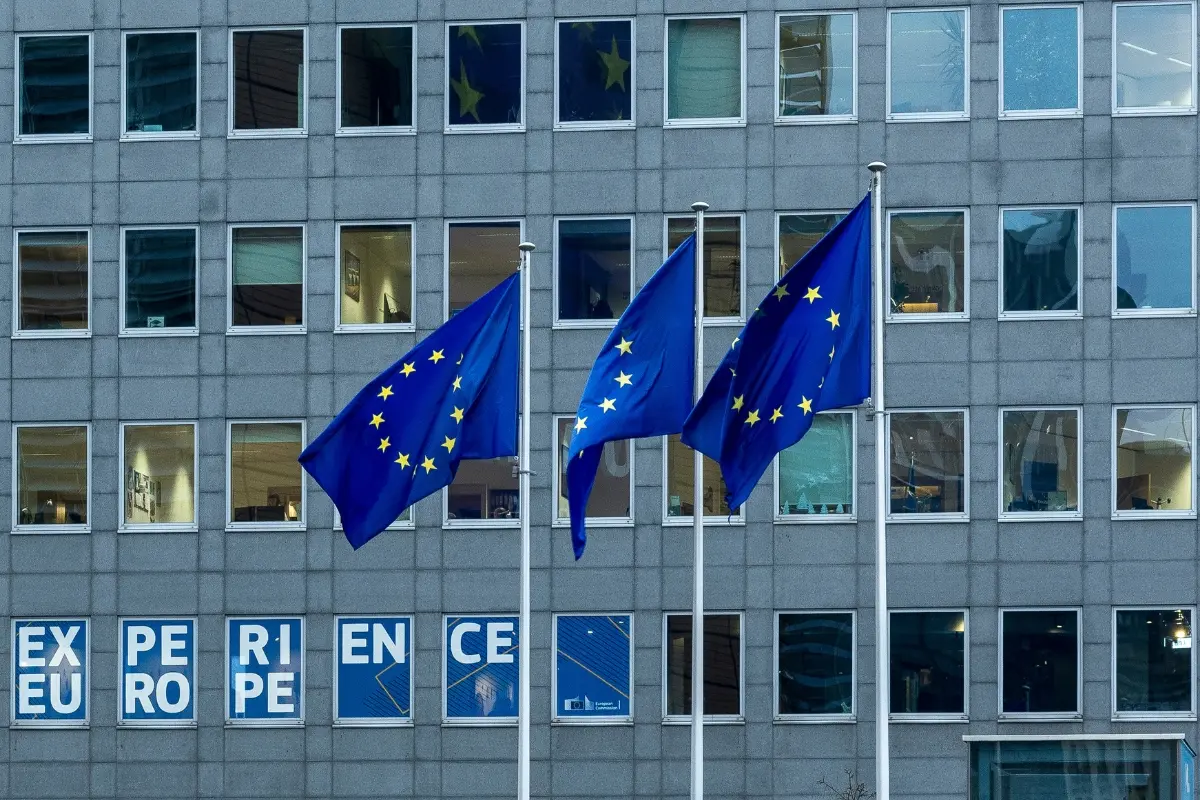
Belgium: The European Union will begin implementing its side of the trade agreement with the United States from July 1, removing tariffs on a range of American goods and expanding market access as part of a deal reached last year.
The European Union will implement its commitments under the trade agreement with the United States from July 1, marking a significant step in strengthening transatlantic trade ties.
The move comes ahead of the July 4 deadline set by US President Donald Trump, with the European Commission confirming that the necessary legal measures have now been published and will take effect from Wednesday.
What is changing?
Under the agreement, the European Union will remove import duties on a range of US industrial goods while providing preferential access to selected American agricultural products.
The deal also extends duty-free imports of US lobster, continuing an arrangement first introduced during President Trump's first term.
The regulation will remain in force until December 31, 2029, although the European Commission has indicated it may propose an extension following a comprehensive review.
Why the deal matters
The agreement is intended to reduce trade barriers between two of the world's largest economies, making it easier for businesses to export goods across the Atlantic.
Lower tariffs are expected to improve market access for American manufacturers and farmers while giving European importers greater access to US products at potentially lower costs.
The deal is also seen as a sign of continued economic cooperation despite broader global trade uncertainties.
The EU legislation includes safeguards allowing the bloc to suspend trade concessions if the United States fails to comply with the terms of the agreement.
These provisions are designed to ensure that both sides continue to honour their commitments throughout the life of the deal.
What it means for global trade
The implementation of the agreement reinforces the importance of the EU-US trading relationship, one of the largest bilateral economic partnerships in the world.
By reducing tariffs and expanding duty-free access for selected goods, both sides aim to support businesses, strengthen supply chains and encourage greater cross-border trade over the coming years.