New Epstein Files claim DP World Chief exchanged disturbing emails with Jeffrey Epstein
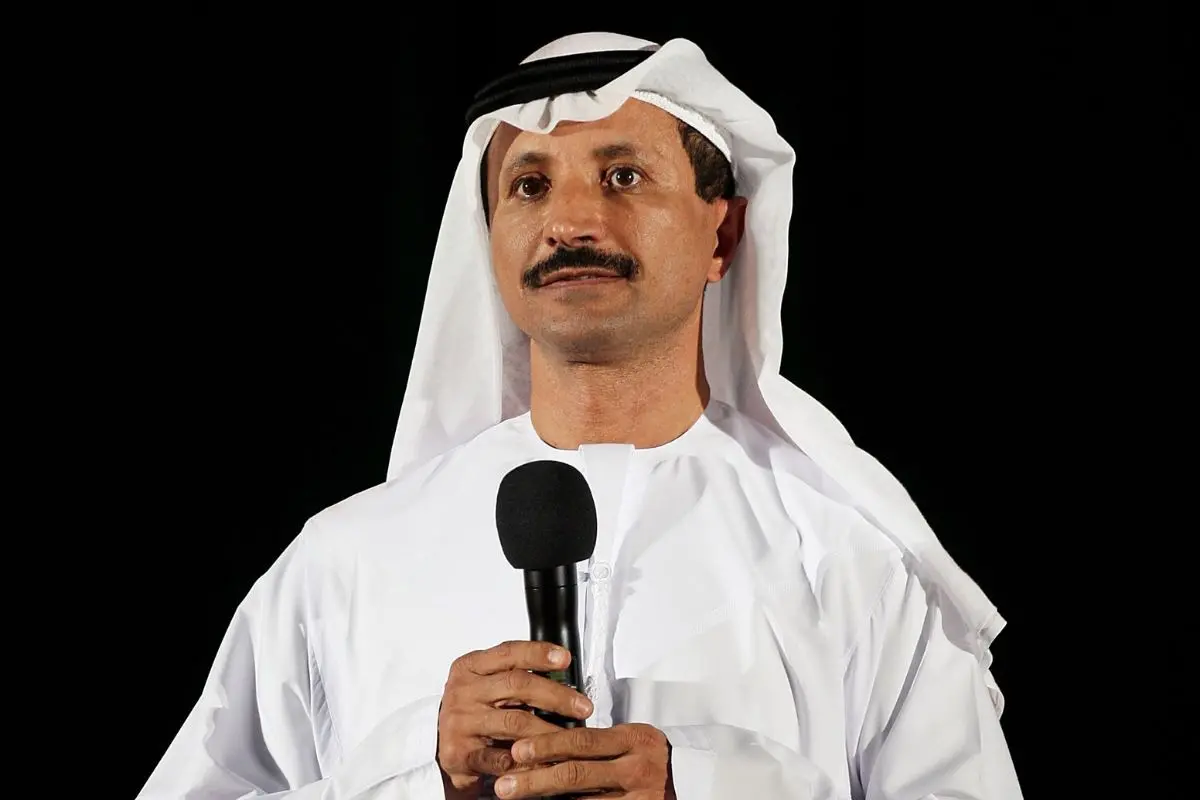
A newly surfaced cache of documents from the US Department of Justice has drawn one of the Gulf’s most influential business leaders into a widening global controversy. Freshly released materials show that Sultan Ahmed bin Sulayem, the long-time chairman and chief executive of UAE port operator DP World, exchanged emails with Jeffrey Epstein that mixed business conversations with crude sexual remarks – including an infamous line referencing a “torture video”.
The revelations, published after prosecutors released millions of pages of Epstein-related records in early 2026, have intensified questions about how and why leading international figures maintained contact with the disgraced financier long after his 2008 conviction for sex offences involving a minor.
According to Bloomberg and other outlets that reviewed the files, the correspondence between bin Sulayem and Epstein extended from before Epstein’s 2008 conviction into the 2010s. The exchanges reportedly shifted between logistics-related matters and explicit personal commentary, including graphic descriptions of women and sexual encounters.
‘Torture video’ email at centre of public scrutiny
A specific email has become the focal point of renewed calls for transparency. US lawmakers who viewed unredacted DOJ records say a message sent by Epstein on 24 April 2009 carried the subject line, “where are you? are you ok I loved the torture video."
For years, the recipient’s identity was redacted in public filings. Congressman Thomas Massie has claimed that the unnamed addressee – referred to only as a “Sultan” in the documents – is likely bin Sulayem. He has urged the Justice Department to disclose the fully unredacted files.
Authorities have not publicly confirmed the intended recipient, and the DOJ has not released any statement elaborating on the content described in the message. Public debate has nevertheless escalated, with analysts questioning the nature of the “video” referenced and why such material was being shared.
Bin Sulayem’s role in Dubai’s economic transformation
Sultan Ahmed bin Sulayem is widely regarded as one of the architects of Dubai’s rise as a global trading and tourism hub. Before taking charge of DP World – which moves a substantial share of the world’s container traffic – he chaired Nakheel, the state-owned developer behind Palm Jumeirah and “The World” archipelagos.
His prominent role in shaping the emirate’s modern economic identity has amplified the impact of the disclosures, prompting calls in Dubai, Washington and London for clarification from DP World. The company has not commented on the contents of the emails or the broader reporting.
The DP World chief, who built his wealth through international logistics ventures, is estimated to have a net worth in the range of $7-8 billion.
Documents shed light on Epstein’s post-conviction network
The 2026 document release has illuminated the extent of Epstein’s continuing relationships after his 2008 conviction. The files show that he remained in touch with diplomats, financiers, technology entrepreneurs and political intermediaries well into the 2010s, often mixing formal planning with off-colour personal remarks.
Separate investigations suggest Epstein continued facilitating meetings between business leaders and politicians, including some connected to UAE–Israel diplomatic backchannels and international investment discussions. Other communications include lewd jokes, personal invitations and sensitive political chatter.
Global reactions and calls for accountability
Political figures in the US and Europe have described the revelations as a further indication of the breadth of Epstein’s influence within elite networks. Some countries have already seen resignations and public apologies following earlier disclosures from the broader tranche of documents.
Campaigners and lawmakers argue that unredacted transparency is essential when individuals named in the files hold senior roles in government-linked corporations or international commerce. Many have repeated demands for the Justice Department to release the remaining censored information.
Epstein died in custody in 2019 while awaiting trial on federal sex-trafficking charges.