Ebola cases top 2,000; deaths near 800: WHO warns Ebola spreading faster than ever in DR Congo
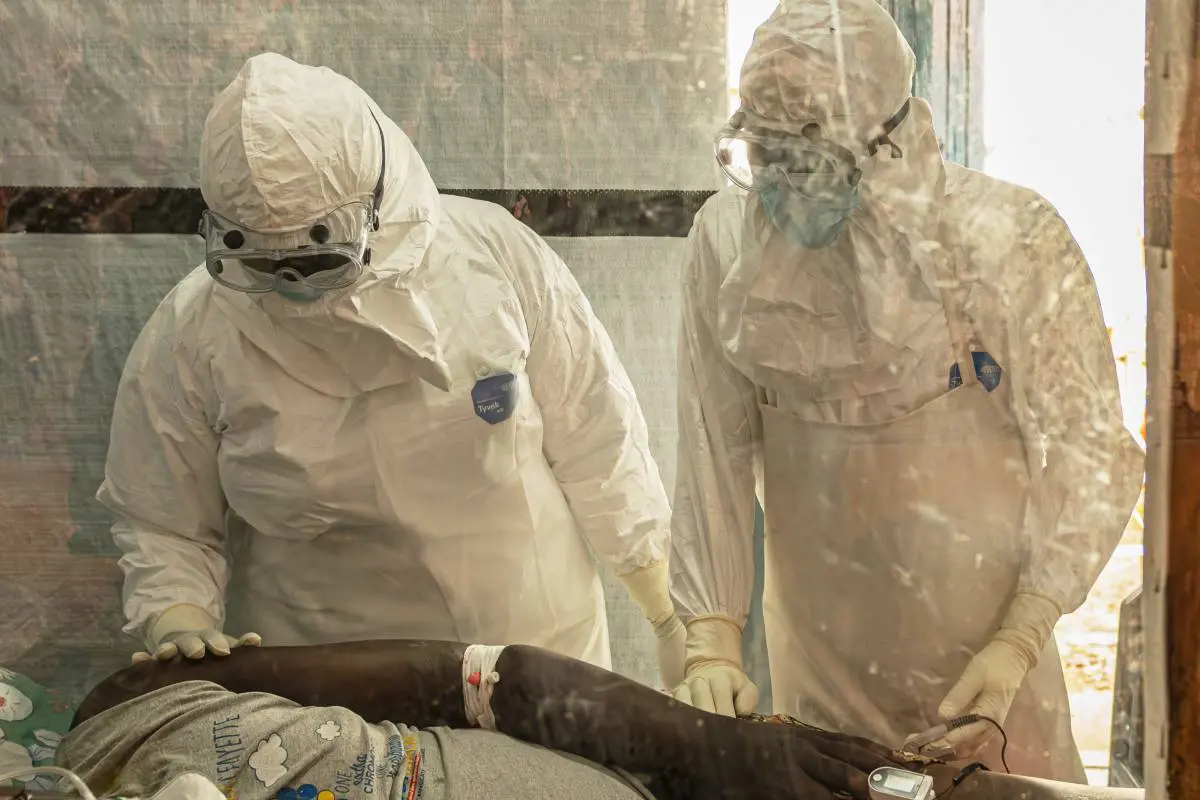
Geneva: The World Health Organization (WHO) has warned that the Ebola outbreak in the Democratic Republic of Congo (DRC) is spreading faster than any previous outbreak of the deadly virus, with the response struggling to keep pace.
More than 2,000 confirmed cases, including 796 deaths, have been recorded since the outbreak was declared on May 15. WHO Director-General Tedros Adhanom Ghebreyesus said the outbreak is now the third-largest Ebola epidemic on record.
By comparison, he noted that the country's 2018-2020 Ebola outbreak took more than 10 months to reach 2,000 confirmed cases. The current outbreak has reached the same milestone in just two months.
"In the past month, it has expanded faster than any previous outbreak," Tedros told reporters.
The DRC's 17th Ebola outbreak was declared after several deaths were reported in Ituri, a mineral-rich province in the country's northeast that has long been affected by armed conflict.
Ebola, which spreads through close contact with infected people or bodily fluids, has been detected in five provinces of the DRC and in neighbouring Uganda. Most confirmed cases, however, remain concentrated in Ituri.
Outbreak outpacing response despite expanded capacity
Tedros said health authorities had rapidly expanded treatment and testing capacity since the outbreak began. Treatment facilities in northeastern DRC now have around 800 beds, while laboratory capacity has increased from one laboratory to 16.
Despite these efforts, he warned that the outbreak continues to outpace the response.
More than 80 per cent of newly confirmed infections are being detected outside known contact lists, indicating that chains of transmission are still being missed.
He also said about two-thirds of Ebola-related deaths are occurring within communities, with many patients dying before reaching a healthcare facility.
The current outbreak is caused by the rare Bundibugyo strain of Ebola, for which there is currently no approved vaccine or treatment.
However, Tedros said progress in developing vaccines and therapies has been encouraging.
Clinical trials of two potential treatments — the monoclonal antibody MBP134 and the antiviral drug remdesivir — have been underway in Ituri since July 2.
The first safety trial of the ChAdOx1 vaccine, developed by the University of Oxford, began earlier this week. A separate trial of the antiviral drug obeldesivir also started to assess whether it can prevent illness in people exposed to confirmed Bundibugyo cases before symptoms develop.
Tedros said 377 people have recovered during the outbreak, demonstrating that early diagnosis and appropriate medical care can improve survival and help contain the disease.
Conflict and funding shortages hamper containment efforts
The WHO chief said the outbreak's biggest challenge remains the conflict-hit environment in which it is unfolding.
Active fighting in Ituri continues to restrict access to affected communities and disrupt response efforts. On Wednesday, an Ebola treatment centre in Bunia, the provincial capital, was attacked.
Tedros said the immediate priorities include strengthening surveillance to detect new cases, ensuring safe and dignified burials of Ebola victims, and improving clinical care for infected patients.
He also called for greater international support, warning that the joint WHO and Africa Centres for Disease Control and Prevention response plan faces a funding shortfall of more than $400 million.