‘No problem meeting them’: Trump signals in-person talks with Iran despite Tehran's boycott threat
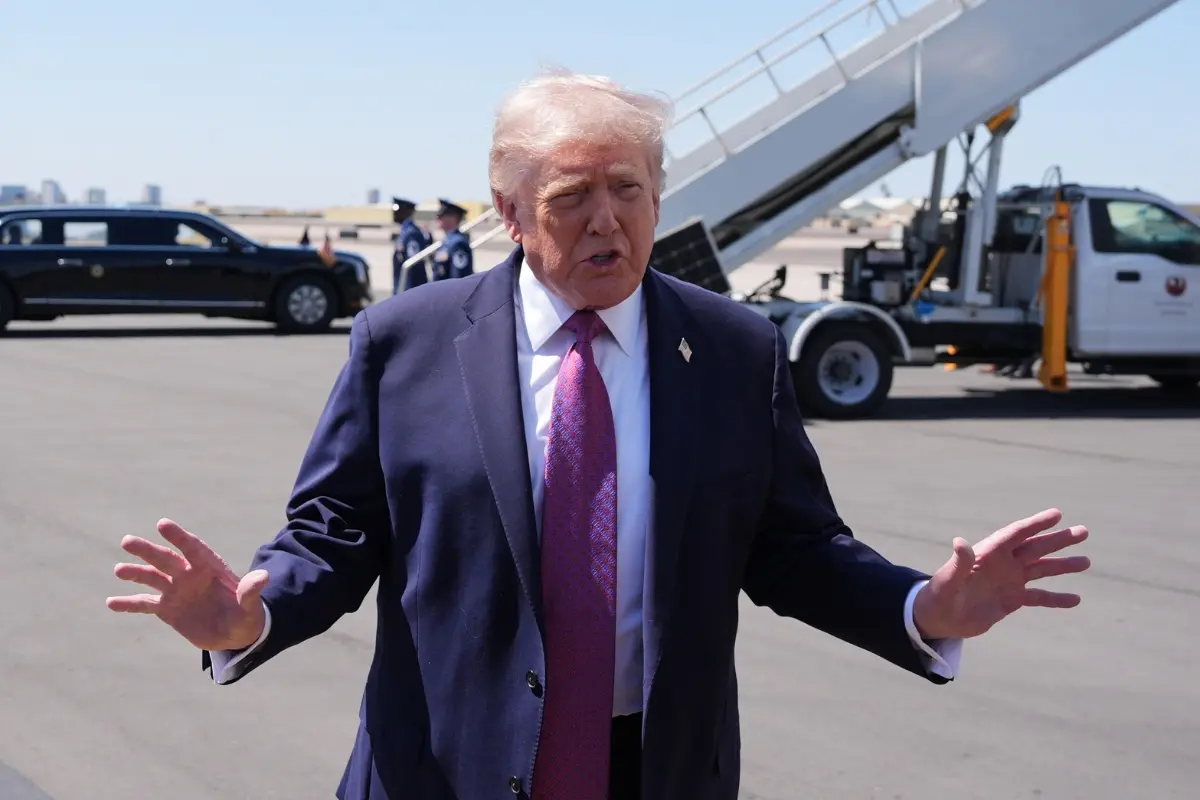
Washington: U.S. President Donald Trump stated on Monday that he is prepared to engage in direct discussions with senior Iranian officials should a diplomatic breakthrough occur, dismissively waving off threats from Tehran to boycott the upcoming round of peace negotiations.
"I have no problem meeting them," Trump told The Post in an interview. "If they want to meet, and we have some very capable people, but I have no problem meeting them."
A standing U.S.-Iran ceasefire is scheduled to expire on Wednesday evening, Washington time, in accordance with the president’s most recent deadline.
The Islamabad Delegation
Despite claims from Tehran that it would refuse to meet with the American delegation in Islamabad, Trump signalled that Iran is expected to engage in serious dialogue.
“We’re supposed to have the talks,” Trump said, brushing aside concerns regarding a potential collapse of the negotiations. “So I would assume at this point nobody’s playing games.”
The president confirmed that the U.S. negotiating team—comprising Vice President JD Vance, special envoy Steve Witkoff, and senior adviser Jared Kushner—is currently in transit. Sources told CNN the delegation is expected to arrive on Wednesday, raising questions about how the looming ceasefire deadline will be navigated as the clock runs out.
Deadlines and Consequences
According to Bloomberg, Trump noted it was "highly unlikely" that the ceasefire would be extended, suggesting that military hostilities would resume if no agreement is reached by the deadline.
The president reiterated that his primary objective is the total denuclearisation of the Islamic Republic. "Get rid of their nuclear weapons. That’s all very simple," he said. "There will be no nuclear weapon." He added that Iran has the potential to become a "wonderful country" if its leadership agrees to permanently dismantle its nuclear program.
However, the president remained vague regarding the specific military or economic escalations that would follow a breakdown in talks. "Well, I don’t want to get into that with you," he remarked when questioned on the matter. "You can imagine. It wouldn’t be pretty." Trump has previously suggested that the destruction of Iranian infrastructure, including power plants and bridges, remains an option if a deal is not struck.
Negotiation Tactics and Internal Friction
Iranian officials have accused the Trump administration of making "excessive demands" and inconsistent proposals, initially stating they would not participate in this week’s sessions. However, Pakistani sources informed The Post that such rhetoric may be a calculated attempt to gain leverage. One source, citing discussions with the Iranian Foreign Ministry, described the hardline stance as "posturing to extract maximum advantage when [the] second round happens."
Trump appeared unfazed by the rhetoric, instead focusing his frustration on domestic political critics. "As a negotiator, and I am a great negotiator, how bad is it when you have people from your own country trying to reach a deal? They are helping the other side," Trump said, specifically criticising Senate Democrats for what he viewed as attempts to delay the process.
“I have only been in this for five weeks. I will not be rushed,” he added.
Hardline Shift in Tehran
American negotiators may face a more difficult environment in Islamabad as reports suggest the Iranian Foreign Ministry has been overshadowed by the Islamic Revolutionary Guard Corps (IRGC).
According to the Washington-based Institute for the Study of War, the IRGC has reportedly seized control of both Iran’s military and its negotiating team. This shift has marginalised moderate figures in Tehran who were previously open to compromise, replaced by hardliners determined to maintain a defiant stance against U.S. demands.