Who is Sudan Gurung, the DJ-turned-leader behind Nepal’s Gen Z protests?
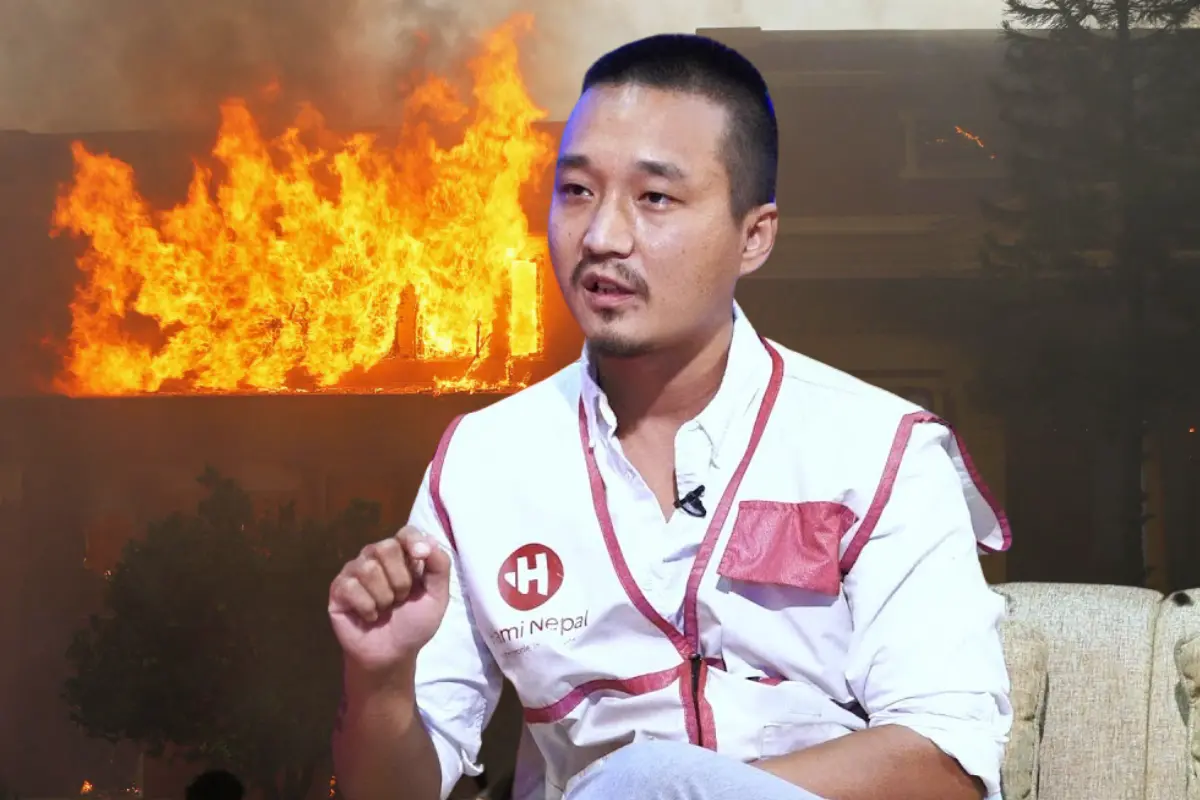
Nepal erupted in some of its deadliest youth-led protests in years after the government banned 26 social media platforms on September 8, 2025, citing tax revenue and cybersecurity concerns. The Gen Z demonstrations escalated sharply on Tuesday, with protesters torching several government buildings, including the Parliament and the President’s Office in Kathmandu. At least 19 people have died and more than 500 others have been injured in clashes around the Federal Parliament and other parts of the capital.
The unrest prompted Prime Minister KP Sharma Oli to resign, while army personnel were deployed to secure roads near key government buildings. Nepali President Ram Chandra Paudel called on citizens to resolve the crisis peacefully through dialogue, urging all sides to remain calm and prevent further harm to the nation.
Who is Sudan Gurung?
At the forefront of the protests is 36-year-old Sudan Gurung, president of Hami Nepal, a youth-focused NGO that has evolved into a civic movement. According to The Annapurna Express, Gurung was once a DJ and nightclub owner at OMG, but his life changed after the catastrophic 2015 earthquake, which killed nearly 9,000 people.
In the earthquake’s aftermath, Gurung used social media to mobilise nearly 200 volunteers for relief efforts. Over time, Hami Nepal expanded from a grassroots relief initiative into a broader platform for social engagement, disaster response, and post-earthquake rehabilitation. Gurung was profoundly shaped by personal loss, the death of his child during the 2015 earthquake, which inspired him to focus on disaster relief and youth engagement.
How did Gurung organise the protests?
During the recent social media blackout, Gurung coordinated thousands of students, instructing them to wear school uniforms and carry books, turning the demonstrations into a symbolic, powerful protest against government restrictions. Before the ban, his organisation circulated protest routes and safety instructions via online platforms.
Led by mostly teenagers and young adults, the protests revealed a broader resentment in Nepal, where many people have increasingly become angry with the government over a range of issues, mostly to do with corruption and frustration over nepotism in the country’s politics.
“Protests over the social media ban were just a catalyst. Frustrations over how the country is being run have long been simmering under the surface. People are very angry and Nepal finds itself in a very precarious situation,” said Prateek Pradhan, editor of Baahrakhari, a Nepalese independent news website.
Demonstrations in Nepal have been called the protest of Gen Z, which generally refers to people born between 1995 and 2010. They were largely in response to the ban that went into effect last week and government’s larger attempt to regulate social media through a bill that requires platforms to register and submit to local oversight and regulations.
The bill, which has not yet been fully debated in parliament, has been widely criticised as a tool for censorship and punishing opponents who voice their protests online. Rights groups have called it an attempt by the government to curb freedom of expression and violate fundamental rights.
At the same time, the protests were also a tipping point of a longstanding sentiment against politicians, their families and concerns over corruption.
In the weeks before the ban, a social media campaign — particularly on video-sharing platform TikTok, spotlighted the lavish lifestyles of politicians’ children, highlighting disparities between Nepal’s rich and poor. Protesters criticised them for flaunting their luxury possessions in a country where the per capita income is $1,400 a year.
Widespread criticism over government’s failure to pursue some major corruption cases and create more economic opportunities for the youth also added to the anger. The youth unemployment rate in Nepal was 20% last year, according to the World Bank.