Resurrecting the past: Inside the groundbreaking de-extinction of prehistoric dire wolf
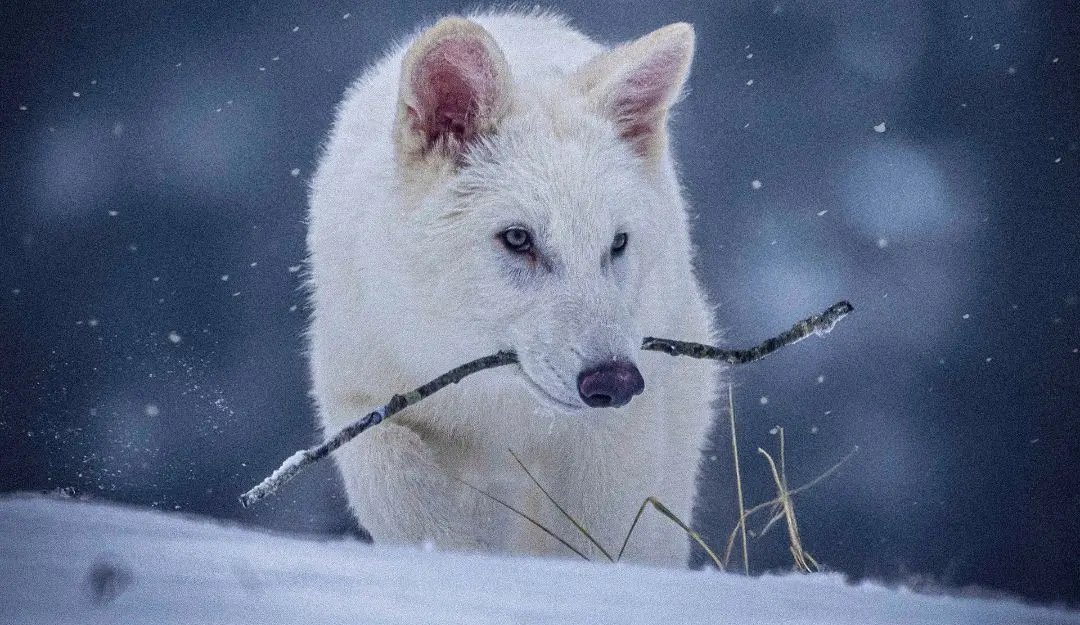
In a stunning milestone for biotechnology, US-based firm Colossal Biosciences has announced the world’s first successful de-extinction. Three genetically engineered dire wolf pups—hybrids modelled on the long-extinct Aenocyon dirus—have been born, marking what the company calls a “massive milestone” in synthetic biology and species revival.
The dire wolf, once a top predator across North America and popularised by the TV series Game of Thrones, vanished more than 12,000 years ago. Now, through a blend of ancient DNA, gene editing, and cloning, scientists have recreated a creature bearing its distinctive traits—right down to its powerful jaws, white fur, and signature howl.
From fossil to fur
The resurrection process began with the analysis of ancient remains—a 13,000-year-old tooth found in Ohio and a 72,000-year-old skull fragment from Idaho. Using DNA extracted from these fossils, Colossal scientists successfully assembled high-quality dire wolf genomes. These were then compared with the genetic blueprints of modern-day canids, such as grey wolves, jackals, and foxes, to pinpoint the genes responsible for physical traits unique to dire wolves.
Through this comparative analysis, researchers identified 20 key genetic differences in 14 genes that influenced traits like size, coat colour, skull structure, and muscular development. These edits formed the foundation of what would become the dire wolf’s second chance at life.
Editing the grey wolf
Instead of using invasive tissue samples, the team drew blood from living grey wolves and extracted endothelial progenitor cells (EPCs), which play a role in forming blood vessels. Using CRISPR gene editing, scientists modified the cells’ DNA at 20 locations to express the identified dire wolf traits. Among these were genes for larger teeth and a broader head—hallmarks of the prehistoric predator.
Some edits proved more complicated than others. For example, three genes responsible for the dire wolf’s light-coloured coat could also cause deafness and blindness in grey wolves. Scientists circumvented this by disabling separate genes that controlled red and black pigmentation, allowing the pups to inherit the dire wolf’s distinctive appearance without health complications.
The altered cell nuclei were then implanted into grey wolf egg cells that had their own nuclei removed. These edited ova were developed into embryos, and 45 were transferred into the wombs of large, mixed-breed domestic dogs. Two pregnancies were successful in the initial round, resulting in the birth of male pups named Romulus and Remus on 1 October 2024. A third pup, a female named Khaleesi, was born on 30 January 2025.
All three births were carried out via scheduled caesarean section to minimise risks. None of the surrogate dogs experienced complications such as miscarriage or stillbirth.
The new generation of ancient beasts
Now aged between three to six months, the pups weigh approximately 80 pounds each and are expected to reach up to 140 pounds in adulthood. They currently reside at a secure, 2,000-acre facility enclosed with 3-metre-high fencing. The site is monitored by drones, cameras, and a full security team. It is certified by the American Humane Society and registered with the US Department of Agriculture.
Although the animals closely resemble ancient dire wolves in appearance, scientists believe they will not exhibit the same behaviours as their ancestors. Without the chance to observe and learn hunting techniques from wild dire wolf parents, they are unlikely to master the skills needed to take down large prey like elk or deer, according to Colossal’s chief animal care expert, Matt James.
Even so, evolutionary geneticist Love Dalén observed that the animals display dire wolf characteristics more precisely than anything seen in over 13,000 years. Although he was not directly involved in the cloning process, Dalén contributed to the genomic analysis and believes the outcome represents a genuine dire wolf phenotype.
However, some scientists remain cautious. Biologist Vincent Lynch from the University at Buffalo pointed out that recreating the ecological function of an extinct species cannot be achieved merely through physical resemblance, emphasizing that current efforts can only produce animals that look superficially like their ancient counterparts.
More than just resurrection
Colossal’s ambitions go far beyond the dire wolf. The company, founded in 2021, also aims to bring back the woolly mammoth, dodo, and Tasmanian tiger. They claim a surrogate elephant pregnancy is on track for 2026, with the woolly mammoth expected by 2028. In a related effort, they’ve already produced 38 genetically altered mice that grow shaggy mammoth-like fur.
The same technology is also being adapted to help endangered species. As part of their broader conservation mission, Colossal has cloned four red wolves—one of the most critically endangered canids in the US—using DNA from wild individuals to increase genetic diversity in captive breeding programmes.
Elsewhere, Colossal is tackling genetic bottlenecks in species like the pink pigeon, native to Mauritius. With just ten wild individuals remaining at one point, the population has rebounded in numbers but not in genetic health. Colossal is now editing germ cells from fertilised pigeon eggs to introduce more diverse genes. These edited cells are then inserted into chicken embryos. Once grown, the resulting birds will produce genetically diverse pink pigeon offspring, offering a novel path to species recovery.
Though the dire wolf genome is still 99.9% grey wolf, Colossal’s founders insist the result is more than symbolic.
Colossal co-founder and CEO Ben Lamm, called the births proof that the company’s de-extinction technology is viable at scale, describing the achievement as “the first of many coming examples.”
(With inputs from AP)