DR Congo Ebola outbreak becomes ‘fastest-growing ever’; death toll tops 600
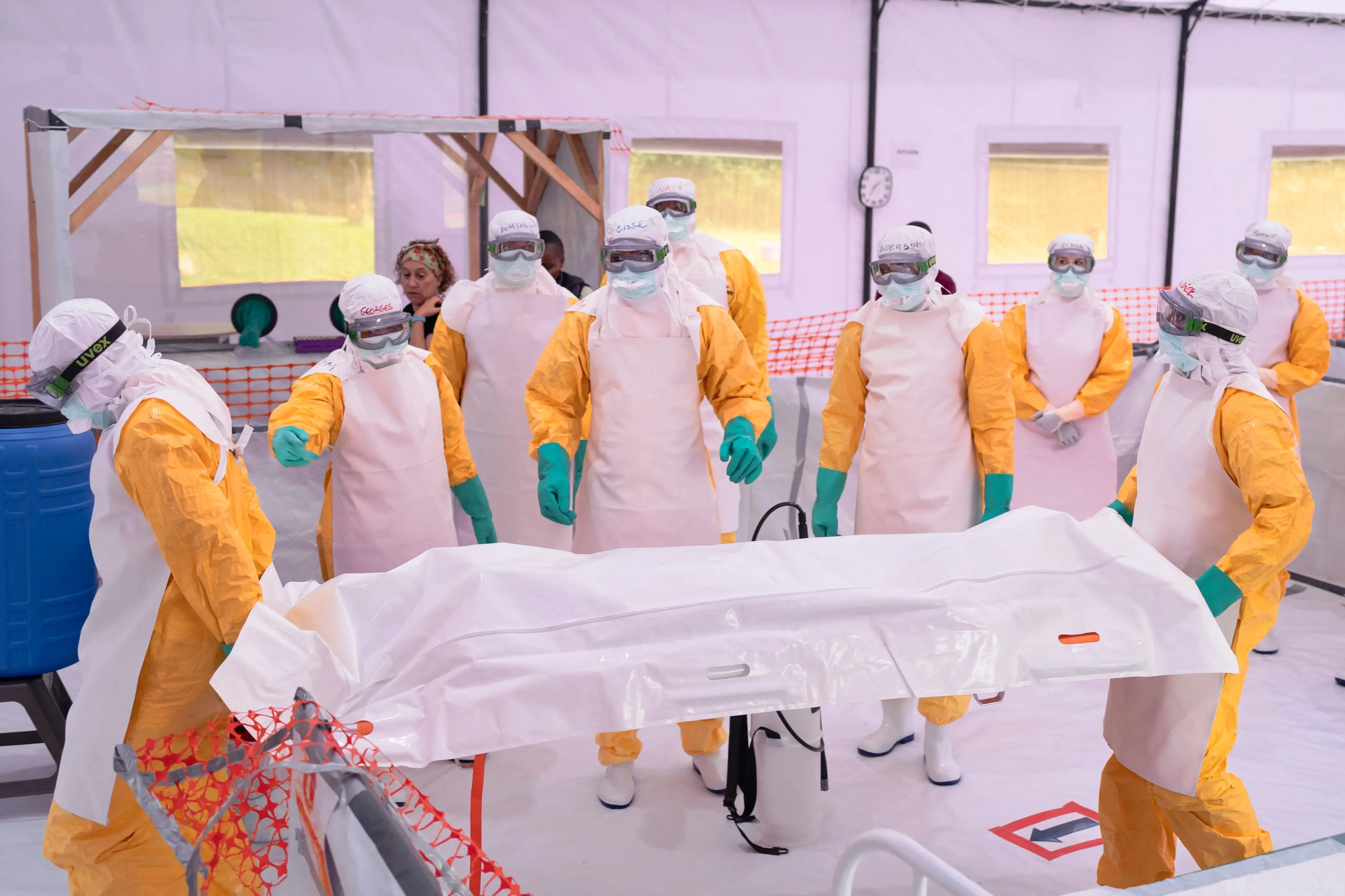
Nairobi: The Ebola outbreak in the Democratic Republic of Congo (DRC) has become the “fastest-growing” ever recorded, African health authorities have warned. The World Health Organization (WHO) confirmed that the virus has claimed 600 lives.
According to the WHO, the DRC has reported 1,759 confirmed Ebola cases, including 600 deaths, since the outbreak was declared in mid-May. A total of 285 patients have recovered, while 304 suspected cases remain under investigation.
Outbreak spreading faster than response
The Africa Centres for Disease Control and Prevention (Africa CDC) said the current outbreak is expanding faster than any previous Ebola epidemic.
"This is the fastest growing Ebola outbreak ever, not only among the previous Bundibugyo outbreaks, but all the different viruses that are causing Ebola," said Wessam Mankoula, head of emergency preparedness and response at Africa CDC.
He noted that the deadliest Ebola outbreak in West Africa between 2013 and 2016 recorded 994 cases in its first six weeks, compared with 1,596 cases during the same period in the current outbreak.
Health officials estimate that the number of infections is doubling every 28 days, with the virus spreading faster than response efforts.
Funding and resources urgently needed
Africa CDC estimates that $1.4 billion is required to support disease control and humanitarian operations.
Officials have appealed to international donors to quickly provide financial and medical resources to strengthen surveillance, treatment and outbreak containment.
Rare Ebola strain complicates response
The current outbreak is caused by the Bundibugyo strain of the Ebola virus, a rare variant for which there is no approved vaccine or treatment.
The virus spreads through close contact with infected people or bodily fluids and is believed to have circulated for some time before it was detected.
The WHO said the outbreak currently has a case fatality rate of about 34%.
The outbreak is centred in Ituri province in northeastern DRC but has spread to four provinces.
Clinical trials began on July 2 to evaluate two potential treatments- MBP134, a monoclonal antibody, and the antiviral drug remdesivir- both individually and in combination.
Conflict hampers containment efforts
Health authorities said the outbreak is being made worse by ongoing armed conflict, population displacement and the country's fragile healthcare system.
More than 10,000 contacts of infected people are currently being monitored, at a follow-up rate of 82 percent. However, the WHO said a follow-up rate of 95 percent is required to effectively contain the outbreak.
Laboratory capacity has increased from 30 tests per day in the capital Kinshasa to more than 2,000 in decentralised labs in the affected provinces.
One of the affected provinces is South Kivu, which has seen clashes between the Congolese armed forces and the Rwanda-backed M23 armed group.
UN Human Rights Chief Volker Turk on Thursday called for an immediate end to the fighting. He said the violence is having a severe impact on civilians. Turk also warned that the escalating clashes could force further displacement, with some likely to seek refuge in neighbouring countries.
(With AFP inputs)