Exposed: Inside China's sinister bid to defame Rafale fighters
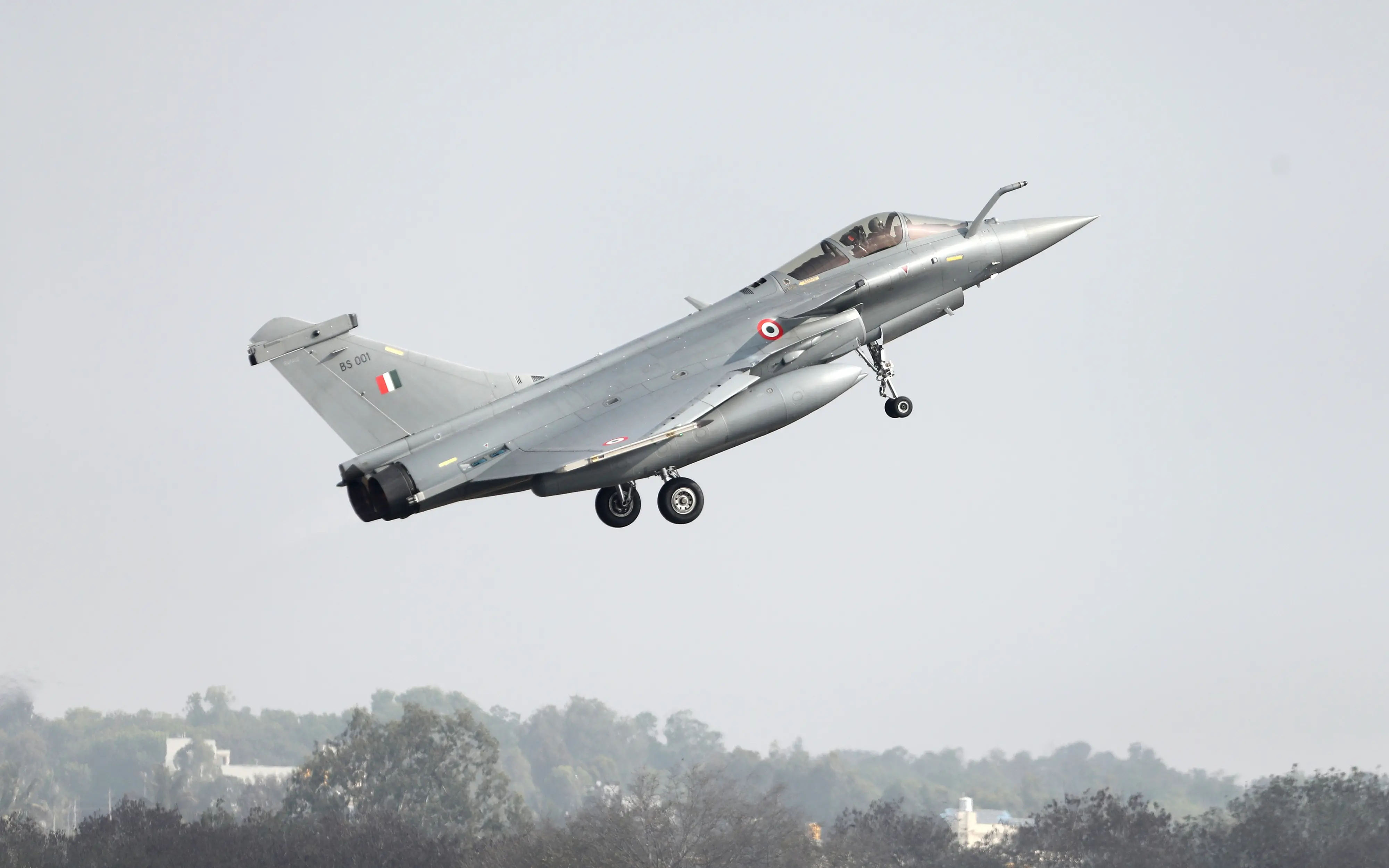
Paris: France has accused China of conducting a targeted, international disinformation campaign to discredit its Rafale fighter jets following their combat deployment by India during Operation Sindoor in May 2025.
French military and intelligence officials believe Beijing's efforts were aimed at tarnishing the aircraft’s global reputation and disrupting Dassault Aviation’s export deals.
According to French sources, the campaign involved Chinese embassies actively lobbying governments that had purchased or were considering buying Rafales, urging them to abandon their acquisitions in favour of Chinese-made jets. French officials revealed that these actions were accompanied by a surge in AI-generated content, doctored images, and viral misinformation on social media — all aimed at highlighting supposed weaknesses in Rafale’s combat performance during the India–Pakistan conflict.
A French military official called the move a “deliberate attempt to damage the Rafale brand” at a time when it was gaining traction in international markets. The French Defence Ministry stated the campaign went beyond the aircraft itself, saying: “By attacking the Rafale, certain actors sought to undermine the credibility of France, its strategic autonomy, industrial reliability, and defence partnerships.”
Eric Trappier, CEO of Dassault Aviation, categorically rejected Pakistan’s claim that three Rafales were shot down during the four-day clash, calling it “inaccurate”. Pakistan’s assertion had been circulated widely by Chinese-aligned accounts during and after the conflict, despite the Indian military denying any such losses involving the Rafale.
India’s Chief of Defence Staff General Anil Chauhan recently acknowledged that India did lose “an unspecified number” of jets during the engagement with Pakistan, but firmly stated that Rafales were not among them.
French intelligence reports further indicated that Chinese defence attachés in embassies across Asia, Africa, and the Middle East were involved in spreading narratives suggesting poor Rafale performance. These included fabricated wreckage photos, manipulated videos, and even video-game simulations shared under the guise of real combat footage.
Disinformation researchers in France flagged over 1,000 new social media accounts that sprang up during the crisis, pushing anti-Rafale content while simultaneously promoting Chinese military technology.
Experts believe Beijing’s motive was to damage France’s growing defence presence in the Indo-Pacific, especially as Dassault ramps up exports. The Rafale, widely seen as a symbol of France’s defence innovation, has already been sold to countries including Egypt, India, Qatar, Greece, Croatia, UAE, and Indonesia.
Justin Bronk of the Royal United Services Institute noted that China’s attempts to discredit the Rafale may be linked to strategic rivalry. “They likely saw an opportunity to disrupt France’s defence diplomacy in Asia by exploiting alleged Pakistani claims,” he said.
France, however, maintains confidence in the Rafale’s capabilities and has reiterated that its defence export partnerships remain “robust and evidence-based”.
(With AFP inputs)