China’s growing nuclear network exposed in satellite images from Sichuan
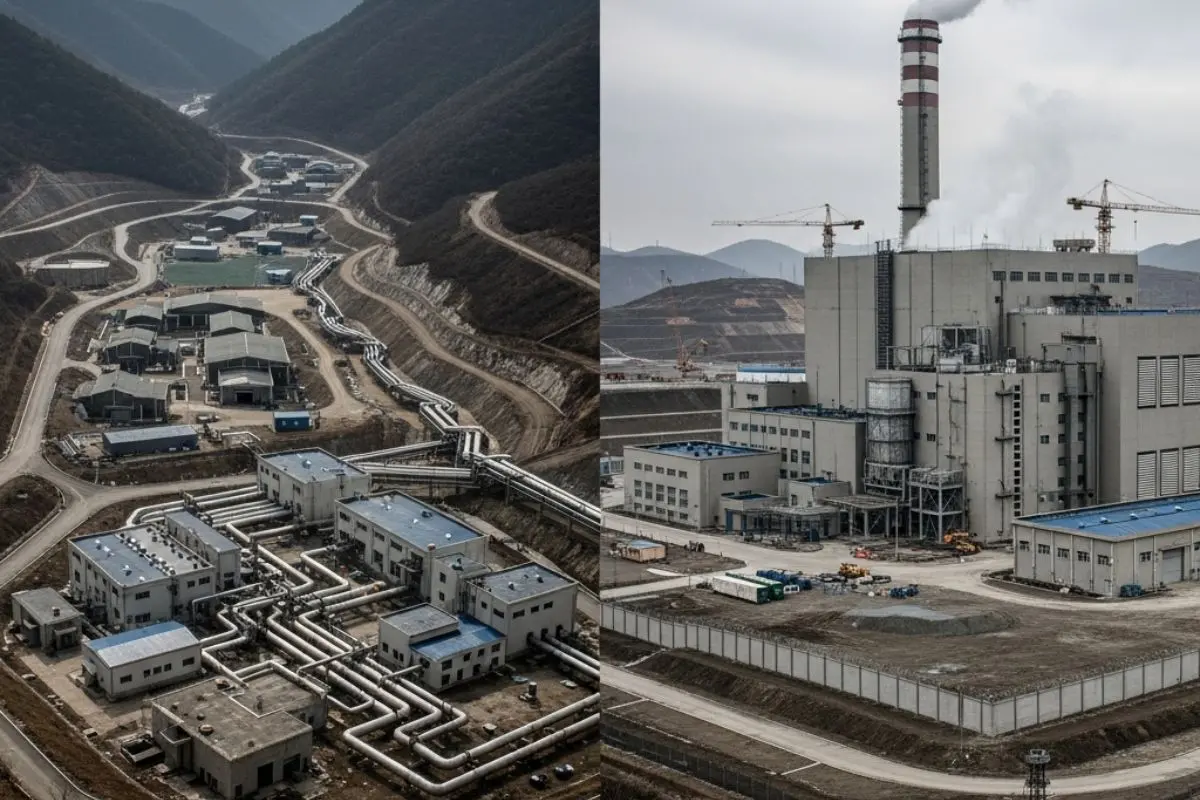
Beijing: Satellite imagery from southwest China’s Sichuan Province has reportedly revealed a rapid expansion of nuclear weapons infrastructure, fuelling concerns among international observers about Beijing’s strategic ambitions.
Two sites in particular have drawn attention, as per a report by the New York Times. Near Zitong, engineers have constructed new bunkers and fortified structures, with one complex threaded with pipes that suggest the handling of hazardous materials. Meanwhile, at Pingtong, a heavily secured facility believed to produce plutonium cores for warheads has undergone major refurbishment. The site’s main building, marked by a towering 360-foot ventilation stack, now features new vents and heat dispersers, with further construction underway. Above the entrance, large characters display President Xi Jinping’s slogan: “Stay true to the founding cause and always remember our mission” — visible even from space.
Also Read | Is China secretly aiding Iran amid rising tensions? Tehran‑bound flights raise suspicions
Experts note that Pingtong’s layout resembles plutonium pit production plants in other countries, including the Los Alamos National Laboratory in the United States. At Zitong, the bunkers are thought to be used for testing high explosives, essential for compressing nuclear material to trigger a chain reaction. Hui Zhang, a physicist at Harvard University, reportedly cautioned that the precise scale and purpose of the upgrades remain uncertain, as per the report.
Also Read | Iran may dilute 60% enriched Uranium if all sanctions are lifted, nuclear chief says
According to the Pentagon’s latest estimate, China possessed more than 600 nuclear warheads by the end of 2024 and could reach 1,000 by 2030. While this figure remains far below the stockpiles of the United States and Russia, the pace of growth is viewed as troubling. Washington insists that any future arms control agreement must include China, but Beijing has shown little interest in joining such talks. The expiry of the last remaining US-Russia nuclear treaty has further complicated efforts to revive global arms control.
Geopolitical concerns
The developments reportedly form part of a broader effort to modernise China’s arsenal at a time of intensifying rivalry between the world’s major powers. US officials fear that a larger and more advanced arsenal could embolden China in a future crisis, particularly over Taiwan. Analysts warn that the expansion of facilities in Sichuan underscores Beijing’s determination to strengthen its nuclear capabilities, raising difficult questions for international security and diplomacy.