Canadian PM Justin Trudeau survives no-confidence votes; remains on thin ice
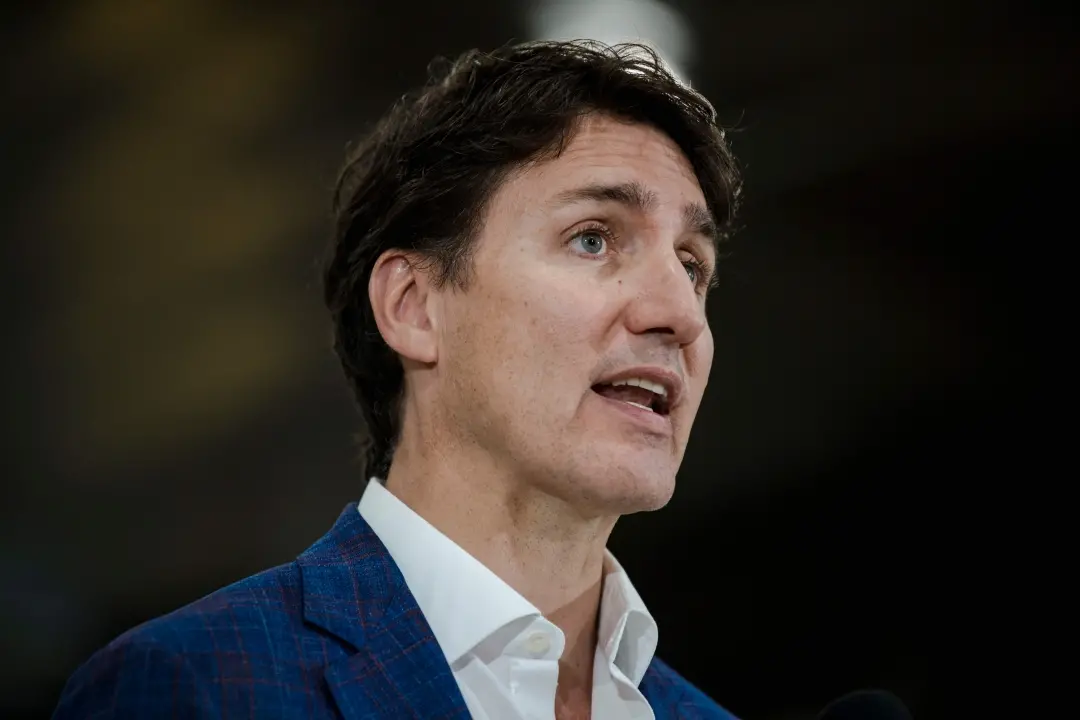
Ottawa: Canadian Prime Minister Justin Trudeau has survived a no confidence vote, marking the first great challenge for his minority Liberal government as its popularity declines after nine years in power.
In a tense debate where members of Parliament exchanged insults and banged their fists on desks, the vote concluded with 211 against and 120 in favour of the Conservative motion to unseat the Liberals and call for early elections.
Despite this victory, Trudeau's government faces further challenges ahead. The main opposition party, the Conservatives, led by Pierre Poilievre, plans to attempt again to topple the government as early as Tuesday. Poilievre has been eager for a snap election since the left-leaning New Democratic Party (NDP) ended its coalition agreement with the Liberals earlier this month, leaving Trudeau’s administration vulnerable.
Poilievre has criticised Trudeau for not addressing rising living costs, a housing crisis, and increasing crime, while also accusing him of doubling the national debt. The promise of Canada, "after nine years of Liberal government, is broken," he said during a Commons debate on Tuesday.
However, other opposition parties have pushed back against his conservative agenda. Liberal House leader Karina Gould accused the Conservatives of “playing games.” "I think it's pretty lame that they're going to put forward another non-confidence vote tomorrow," she said. After the no confidence vote, the NDP supported the Liberals in passing legislation on capital gains taxes, which helped avoid another political crisis.
Poilievre has promised to keep pushing for a government change, with another chance to bring down the administration next week. If that effort fails, he will have more opportunities before the year ends. The separatist Bloc Quebecois has also demanded concessions from the Liberals in exchange for its support in Parliament until the end of October.
Trudeau first came to power in 2015 and has previously defeated two of Poilievre's predecessors in elections held in 2019 and 2021. A deal with the NDP was supposed to keep his government in place until late 2025, but the NDP left the agreement early, citing a decline in its own popularity. Recent polling from Angus Reid shows the Conservatives leading the Liberals with 43 percent of voter support compared to 21 percent for the ruling party, while the NDP stands at 19 percent.
Going forward, NDP leader Jagmeet Singh stated that his party will carefully evaluate each bill before deciding how to vote. Bloc leader Yves-Francois Blanchette expressed his intention to keep the government stable until the end of October, but warned that the Bloc would oppose the Liberals if there is no progress on its legislative priorities by then.
In Canada’s parliamentary system, the ruling party must maintain the confidence of the House of Commons, requiring support from a majority of members. Currently, the Liberals hold 153 seats, while the Conservatives have 119, the Bloc Quebecois 33, and the NDP 25.
Agency