Bangladesh High Court flags screen time concerns, orders curbs on social media for under-16s
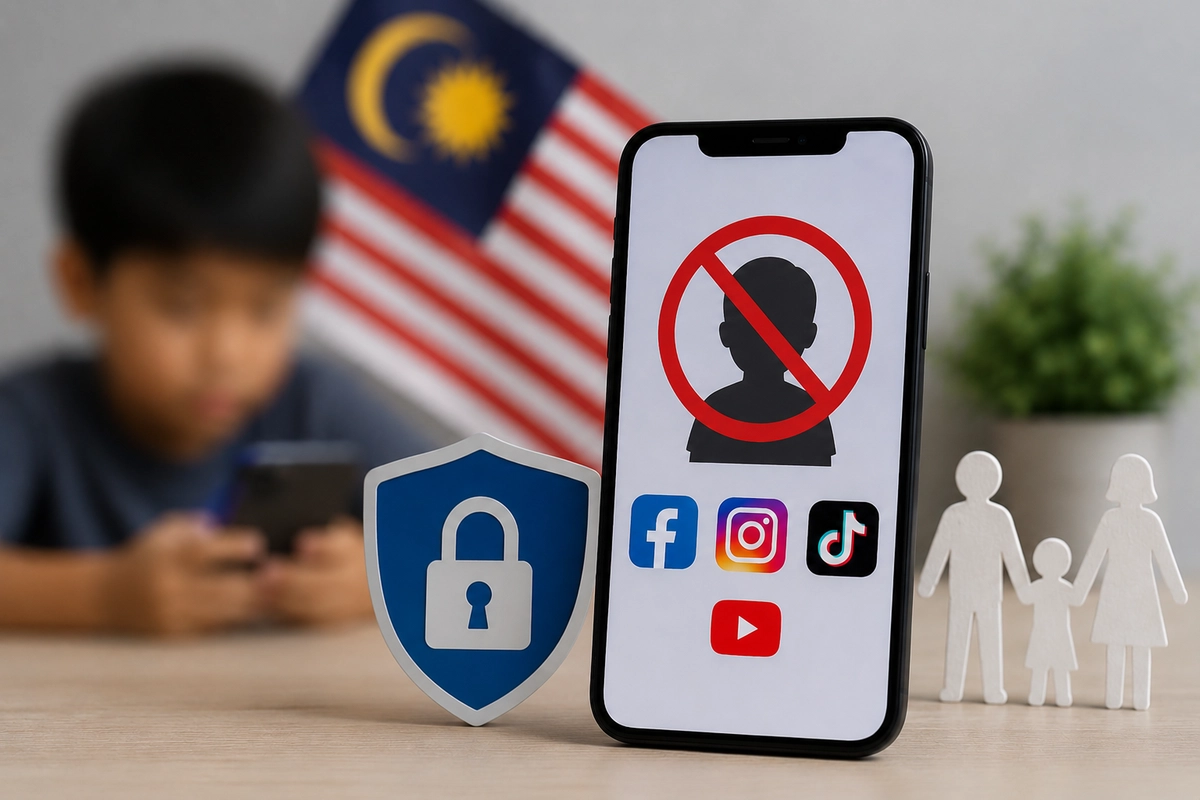
Bangladesh's High Court has directed the government to introduce mandatory interim guidelines restricting social media access for children under 16, citing concerns about the impact of excessive digital exposure on their physical and mental well-being.
The order was passed on Sunday, November 22, by a High Court bench comprising Justice Sikder Mahmudur Razi and Justice Fatema Anwar, following a preliminary hearing on a public interest writ petition.
The court also directed the immediate formation of an independent expert committee to formulate a comprehensive policy regulating children's social media use.
The proposed committee will include specialists in cybersecurity, child psychology, paediatrics and law.
The court directed the relevant government departments and the Bangladesh Telecommunication Regulatory Commission (BTRC) to take immediate steps to constitute the panel.
The court has also sought an explanation from the authorities within four weeks on why their failure to formulate a policy regulating social media use among children aged 16 and below should not be declared unlawful.
Why has Bangladesh's High Court intervened?
The court's intervention follows concerns raised in a public interest petition filed by Supreme Court lawyer Mohammad Faisal Dastagir.
The petition highlighted the absence of a specific regulatory framework governing children's access to social media platforms and the potential consequences of excessive screen exposure.
Here are the key concerns raised:
1. Excessive screen time: A study by the International Centre for Diarrhoeal Disease Research, Bangladesh (icddr,b), cited in the petition, found that 83% of children surveyed in Dhaka spent more than two hours a day in front of screens.
2. Hours spent on devices: Participating children spent an average of 4.6 hours daily using smartphones, televisions, tablets, computers and gaming devices.
3. Eye problems and headaches: More than one-third of the children reported eye-related problems, while around 80% frequently experienced headaches.
4. Sleep deprivation: Children spending more than two hours daily in front of screens slept for an average of 7.3 hours a night, below the recommended eight to 10 hours for their age group.
5. Physical and mental health concerns: The study found that around 14% of participating children were overweight or obese. The petition also flagged concerns about loneliness, depression and the possible effects of inadequate sleep on memory, concentration and emotional development.
The petitioner argued that the absence of a regulatory framework had allowed children to access social media without adequate restrictions, potentially affecting their mental development.
The proposed expert committee is expected to examine these concerns and help the government formulate a policy on children's social media use.