Why Pakistan finds itself 'cornered and handicapped' at borders
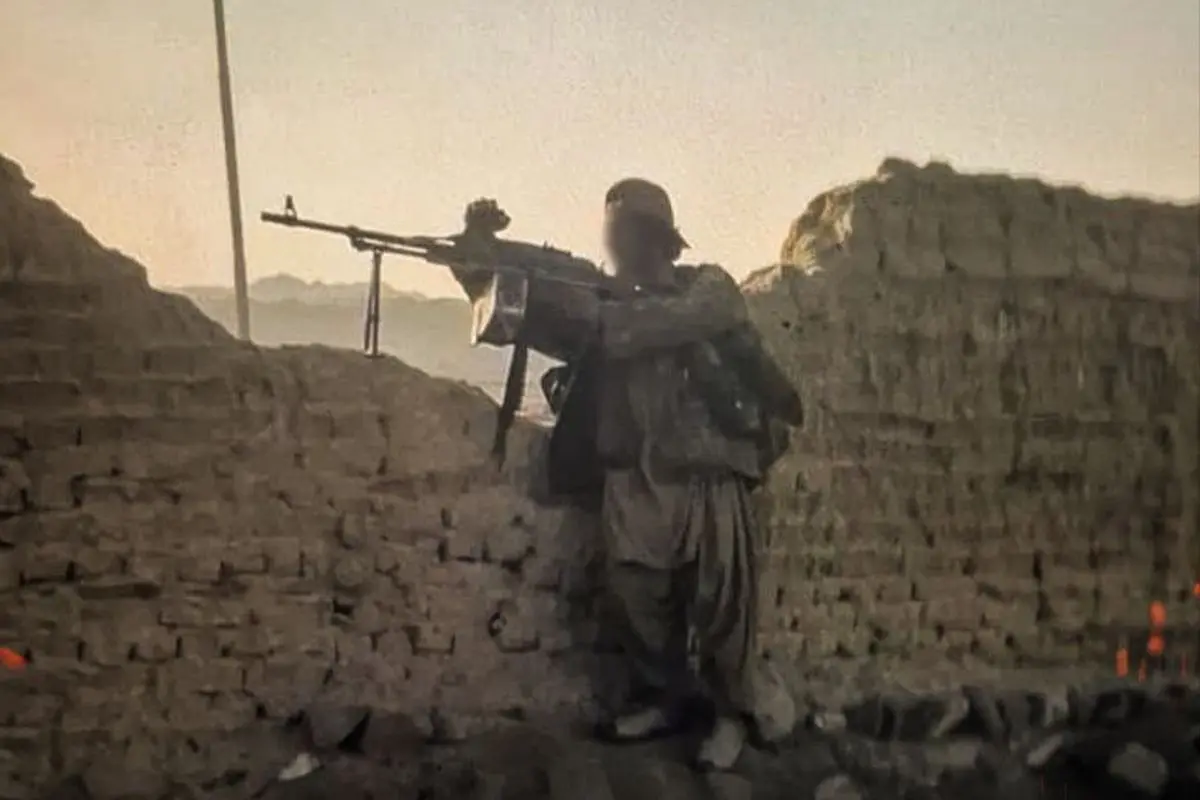
Pakistan's military faced its most humiliating setback in decades in Balochistan as the Balochistan Liberation Army (BLA) claimed to have killed at least 280 security personnel in "Phase II of Operation Herof," a coordinated offensive across multiple districts. The separatist group reported losing 35 fighters, including 18 suicide attackers from its elite Majeed Brigade, and boasted of Pakistani forces in retreat.
The BLA, designated a terrorist organization by Pakistan, the United States, and others, released detailed real-time updates via social media and statements, alleging strikes on Army units, Frontier Corps (FC), police, Counter-Terrorism Department (CTD), and army-backed "death squads." These claims, if true, represent a major blow, exposing coordination failures across five distinct Pakistani units in a single theater.
Pakistani Admission of 'Handicap'
Defence Minister Khawaja Asif candidly addressed the National Assembly, admitting security forces were "handicapped" by Balochistan's sheer scale -- over 40% of Pakistan's landmass, marked by rugged mountains, deserts, and sparse population.
"It's much more difficult than a populated city... We need to deploy massive forces," he said, explicitly ruling out negotiations with the BLA.
Asif's remarks followed simultaneous BLA attacks on towns across the province, highlighting operational strains. Official Pakistani tallies remain elusive, with no independent verification of BLA figures amid ongoing blackouts on information.
60-Year War at 'Unimaginable' Intensity
Indian officials, speaking anonymously, framed the clashes as the fiercest in the nearly 60-year Baloch struggle for autonomy, rooted in grievances over resource plundering (gas, minerals) without local benefits, forced disappearances, and cultural suppression.
"This is the most intense battle; Pakistan's security establishment faces losses it never imagined," one official told IANS. Another criticized the "egoistic" army brass for spurning political dialogue: "They chose violence and are paying the price -- unable to wriggle out now."
Experts noted BLA's transformation: access to sophisticated arms (drones, IEDs, possibly smuggled), robust intelligence networks, youthful leadership, and growing female participation. "Retreating personnel show BLA's might and Baloch resolve – many know it's a losing fight," an analyst said.
Taliban, TTP, and Baloch Squeeze
An Indian Intelligence Bureau assessment paints Pakistan as "cornered" across borders and within: Afghan Taliban threats, resurgent Tehreek-e-Taliban Pakistan (TTP) in Khyber Pakhtunkhwa, and Baloch rebels dominating the southwest.
"Forces fight simultaneously on three fronts, lacking manpower to shift resources," a bureau official said.
Unlike past conflicts where losses were concealed, BLA's communication blitz has exposed casualties publicly, amplifying embarrassment. Parallels to TTP battles underscore a broader crisis: disillusioned troops and eroding morale.
Historical Context and Path Forward
Baloch insurgency dates to 1948, flaring in 1970s, 2000s cycles—each met with crackdowns. Current violence surged post-2010s China-Pakistan Economic Corridor (CPEC) projects in Gwadar, seen as colonial exploitation.
While BLA demands independence, officials urge Islamabad toward talks, as military solutions falter. Asif's no-negotiation stance signals continuity, but analysts warn of deepening instability, potentially inviting foreign meddling.
Pakistan has yet to issue a detailed rebuttal, but the episode reveals acute security overstretch in its largest, most restive province.