Are flights still safe? Midair collisions, crashes raise fears among passengers
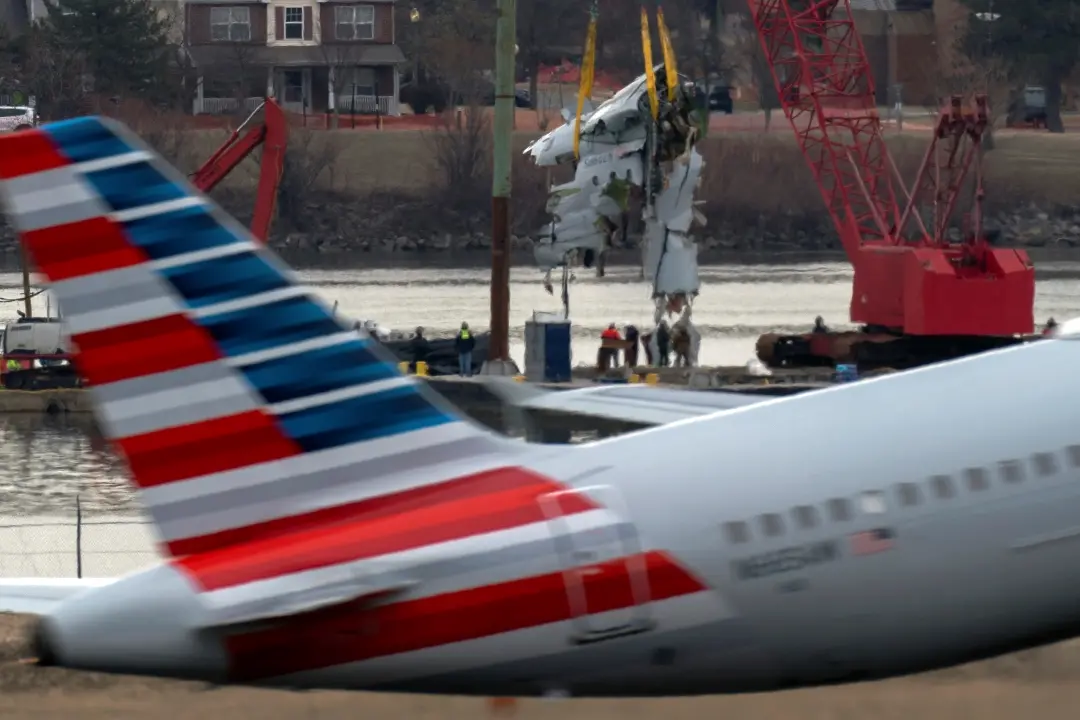
Recent aviation disasters, close calls, and increasing incidents involving both large and smaller aircraft have raised widespread concerns about the safety of flying. High-profile accidents, including a deadly midair collision near Washington and a fiery plane crash in Philadelphia, have fuelled these fears. In addition to these, smaller incidents like a Japan Airlines plane clipping a parked Delta aircraft at Seattle Airport and a United Airlines plane catching fire at Houston Airport on Sunday have also contributed to the public's anxiety.
Recent aviation disasters and close calls: A growing trend?
The midair collision on January 29 between an American Airlines passenger jet and an Army helicopter claimed the lives of everyone aboard both aircraft. This was the deadliest aviation incident in the US since November 12, 2001, when a jet crashed into a New York City neighbourhood, killing all 260 people on board and five others on the ground. Notably, the US had not seen a deadly crash involving a commercial airliner since February 2009, making this recent collision all the more alarming.
While crashes involving smaller planes, such as the single-engine Cessna that crashed in Alaska on Thursday, are more common, they have also contributed to the growing concerns. The crash killed 10 people, including the pilot.
Another tragic incident occurred on January 31 in Philadelphia when a medical transportation Learjet crashed shortly after takeoff from a nearby small airport. The crash killed all six people on board, as well as one person on the ground. The resulting fireball drew significant media attention, further intensifying the safety debate.
The dangers of stowaways and mishaps
Adding to these concerns, security issues have also raised alarms. Stowaways found dead inside the wheel wells of two planes, as well as incidents of passengers opening emergency exits while planes were taxiing, have led to further questions about the state of aviation safety.
Despite these recent disasters and close calls, experts continue to assert that air travel remains far safer than other modes of transport. However, the spike in incidents has made many passengers question their safety during flights.
Deadly crashes worldwide
While fatal crashes are relatively rare in the US, recent aviation accidents have occurred worldwide. In December, a crash in South Korea killed all 179 people aboard, raising further concerns about aviation safety. Additionally, Boeing’s 737 Max has been involved in two fatal crashes in 2018 and 2019, continuing to cast a shadow over the aircraft. Another incident in January, where a door plug blew off a 737 Max during flight, only added to the controversy surrounding the model.
Concerns over air Ttaffic control system
In addition to the accidents, there are growing concerns about the state of the air traffic control system, which has long been described as overtaxed and understaffed. Federal officials have cited uncompetitive pay, long shifts, intensive training, and mandatory retirements as factors contributing to the shortage of qualified air traffic controllers. These staffing shortages have led to several close calls at US airports, prompting concerns from both aviation experts and the general public.
President Donald Trump weighed in on the issue, blaming the midair collision on the “obsolete” air traffic control system that US airports rely on and promised to replace it. However, despite these growing concerns, Transportation Secretary Sean Duffy sought to reassure the public, telling Fox News that air travel is “way safer than travelling in a car and train.” He added, “This is the safest mode of transportation.”
The statistics speak for themselves
While the recent incidents have triggered public anxiety, statistics suggest that air travel remains significantly safer than other forms of transportation. The National Safety Council estimates that Americans face a 1-in-93 chance of dying in a motor vehicle crash. In contrast, deaths in aviation are so rare that calculating the odds of a fatal accident is virtually impossible.
Both the US Department of Transportation and the National Transportation Safety Board (NTSB) support the idea that air travel is among the safest modes of transportation. These agencies, alongside the Federal Aviation Administration (FAA), are investigating the recent crashes and close calls to determine their causes and identify ways to prevent similar incidents in the future.
Investigations and reforms
As investigations continue into these high-profile crashes, there have already been troubling revelations regarding the midair collision. However, it will take over a year to receive a full report on what happened. The NTSB, which regularly recommends safety improvements to prevent future accidents, has faced challenges with a long list of recommendations that remain unaddressed by other government agencies and industries.
Despite these concerns, Secretary Duffy assured the public that the government is committed to improving safety standards in aviation.
"I feel really good about where we’re at and where we’re going and the plans we have in place to make sure we even make the system safer and more efficient than it is today," Duffy stated in his Fox News interview.
While recent aviation disasters have undeniably raised questions about the safety of flying, experts maintain that air travel is still the safest form of transportation.
AP