Danish zoo accepts pet donations to provide natural diet for carnivores
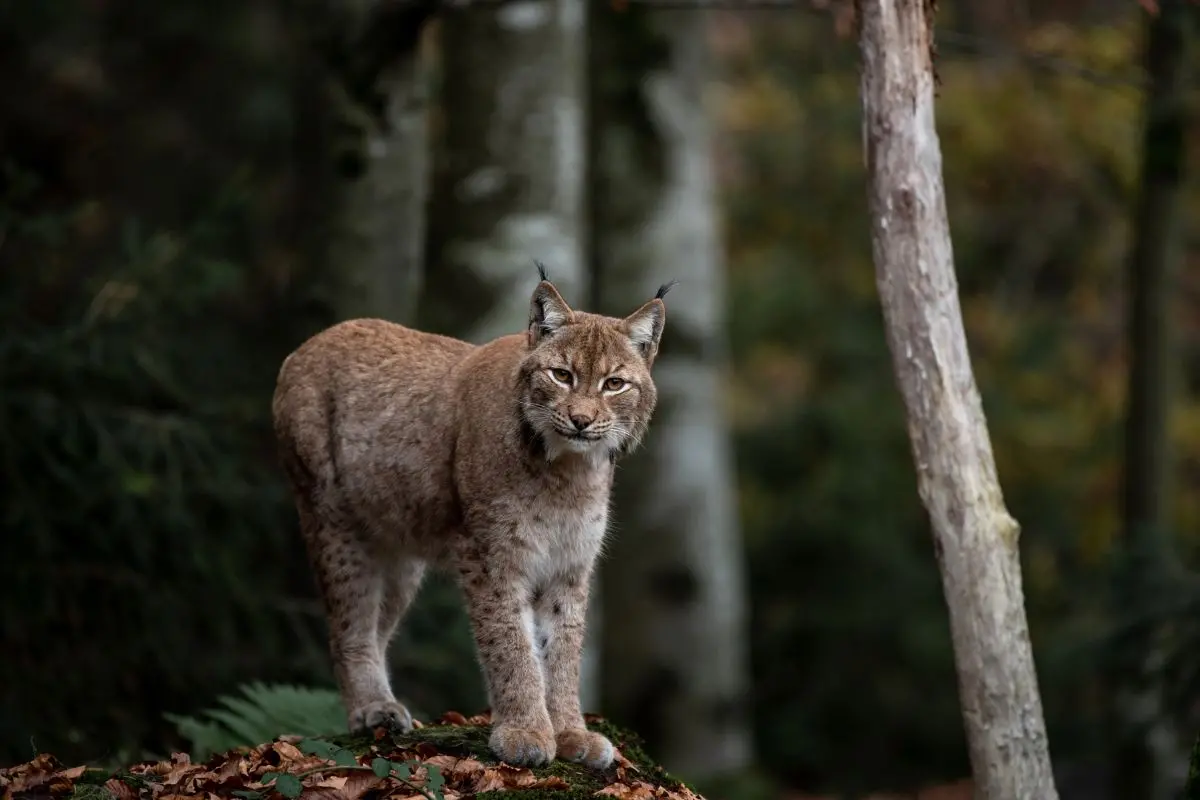
Denmark: Aalborg Zoo in northern Denmark has launched a public appeal for donations of healthy but unwanted pets and livestock, which are used to feed its carnivorous animals as part of an effort to mirror their natural diet.
The zoo is specifically seeking live chickens, rabbits, and guinea pigs, which it says are "gently euthanised" by trained staff before being used as food. Larger animals, including horses, are also accepted under specific conditions—and owners may even be eligible for a tax deduction if they donate a horse that meets the zoo’s requirements.
Mimicking nature for welfare and integrity
In a post on Instagram, the zoo explained that it has a “responsibility to imitate the natural food chain” in order to support animal welfare and uphold professional standards. The smaller animals form an important part of the natural diet for many of the zoo's predators, particularly the Eurasian lynx, which depends on whole prey similar to what it would hunt in the wild.
Other carnivores housed at Aalborg Zoo include lions and tigers, which also benefit from this approach to feeding.
Conditions for donating animals
Healthy small animals can be donated without prior arrangement on weekdays, although the zoo asks that no more than four animals are brought in at once without making an appointment.
Donated horses must have a valid horse passport and must not have received medical treatment within the previous 30 days. If accepted, horse owners may be entitled to a tax deduction, as outlined on the zoo's website, which features a photo of a tiger consuming a piece of meat.
A longstanding practice
Deputy Director Pia Nielsen said the zoo has fed its carnivores smaller livestock “for many years,” adding:
“When keeping carnivores, it is necessary to provide them with meat, preferably with fur, bones, etc., to give them as natural a diet as possible. Therefore, it makes sense to allow animals that need to be euthanised for various reasons to be of use in this way.”
She also noted that this practice is well established in Denmark and appreciated by many of the zoo’s visitors and partners.
Ethical and practical considerations
The zoo emphasises that this method of sourcing food helps avoid waste and supports the animals’ natural behaviour, nutrition, and general well-being.
While the online appeal has drawn attention—with images including a wildcat baring its teeth and a tiger mid-meal—the zoo has not listed any pets beyond chickens, rabbits, guinea pigs, and horses as suitable donations. Additional details are available via the zoo’s website.