Why are Americans flying to China to build their homes?
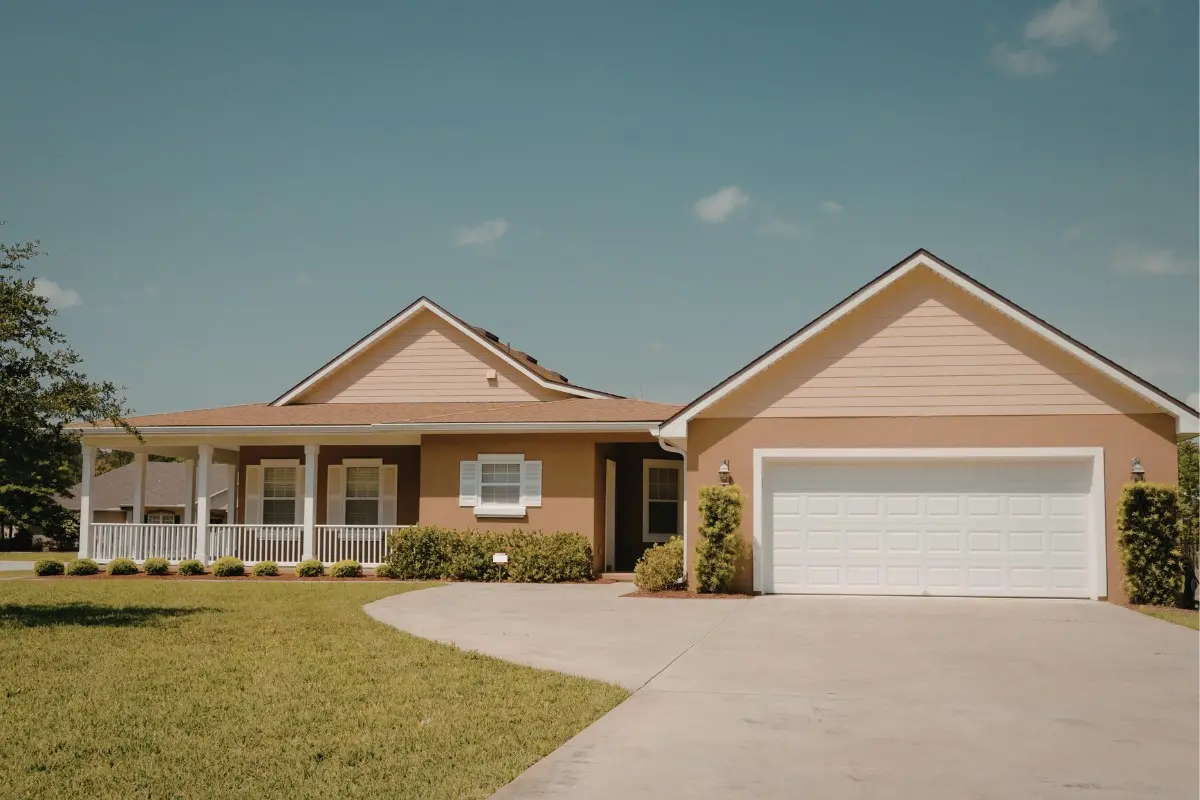
A growing number of people in the United States are now sourcing construction materials directly from Chinese suppliers in an effort to reduce the cost of building and renovating homes.
This shift is allowing some homeowners to move away from traditional retailers such as Home Depot and local contractors, according to a report by CNN.
One such example is Gennadiy Tsygan, an engineer based in Baltimore, who travelled to China in 2024 to purchase materials straight from factories for his new home. The completed house includes floor-to-ceiling windows, magnetic-locking doors and European-style fittings. He believes this approach helped him save up to 100,000 dollars, which is roughly Rs 95 lakh.
Rising costs push buyers to explore alternatives
As highlighted in the CNN report, the cost of building materials in the United States has been steadily increasing.
Data from the National Association of Home Builders shows that prices have gone up by three per cent over the past year. Some materials have seen sharper rises, with metal moulding and trim increasing by 45 per cent year on year, while lumber prices have risen by eight per cent.
Will Mueller, who worked as Tsygan’s builder, explained that materials can make up as much as two-thirds of the total cost of constructing a custom home.
Price differences drive decisions
Tsygan pointed out that the brown siding used for his home was being sold at a 150 per cent markup on Amazon, even though it is largely imported from China.
He also noted that floor-to-ceiling windows were too expensive to buy locally. Similarly, soundproof doors with magnetic locks were nearly four times more costly in the United States, based on local listings.
Social media fuels the trend
The idea of sourcing directly from China has gained traction online. Social media platforms are now filled with Chinese suppliers and sourcing agents promoting their services to American homeowners. They often claim they can deliver items such as cabinets, tiles and other building materials to customers’ homes at significantly lower prices. One agent even suggested that all the materials needed for a new house could be bought for less than 10,000 dollars.
Risks and challenges remain
Despite the potential savings, the process is not without its drawbacks. Tariffs on Chinese imports have been unpredictable and have reached as high as 145 per cent at certain points. There are also concerns about delivery delays, communication difficulties due to language differences, and the need for skilled labour to interpret instructions and make adjustments.
Tsygan described his experience as a “once-in-a-lifetime” opportunity. At the same time, he warned that the process is complex, involves several risks and is far from a simple way to save money.