What are the key GST rate changes for insurance, agriculture, automobiles, electronics and education?
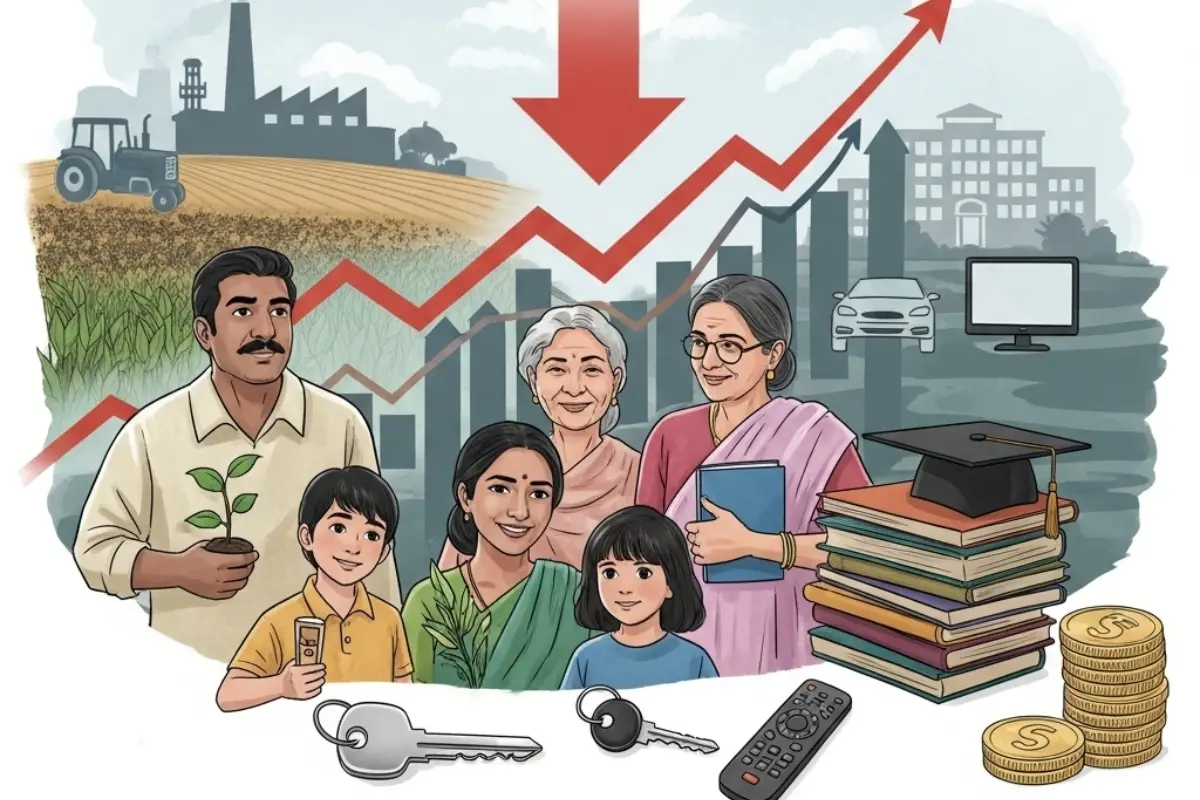
Life and health insurance premiums are set to fall sharply after the government decided to exempt them from Goods and Services Tax (GST). Finance Minister Nirmala Sitharaman, announcing the decisions of the 56th GST Council meeting on Wednesday, said that all individual life insurance policies—term, ULIP or endowment—and their reinsurance will no longer attract GST.
The same applies to health insurance, including family floater and senior citizen policies. Since July 2017, people have been paying 18 per cent GST on these. Sitharaman confirmed that the new rates will take effect from September 22, the first day of Navaratri.
She also stressed affordability: “We will make sure that companies pass on GST rate reduction and make insurance affordable for the common man and increase the insurance coverage in the country.”
Collections from GST on life and health insurance were significant. In FY24, the government raised Rs 16,398 crore—Rs 8,135 crore from life insurance, Rs 8,263 crore from health insurance and Rs 2,045 crore from reinsurance. A year earlier, the figure was Rs 16,770 crore.
Daily essentials and healthcare relief
The council has rationalised GST into two main slabs—5 per cent and 18 per cent—by merging the earlier 12 per cent and 28 per cent rates. A few items, however, will continue to attract a special 40 per cent rate.
Everyday essentials such as shampoo, hair oil, toothpaste, soap bars, shaving cream and toothbrushes have been moved down from 18 per cent to 5 per cent. Butter, ghee, cheese, dairy spreads, packaged namkeens, bhujia and mixtures, utensils, feeding bottles, baby napkins, clinical diapers and sewing machines are also now under the 5 per cent slab instead of 12 per cent.
Healthcare too sees major relief. Thermometers, medical oxygen, diagnostic kits, reagents, glucometers, test strips and corrective spectacles have been placed in the 5 per cent category. This comes alongside the full exemption for insurance, which will help patients and families directly.
Support for farmers and agriculture
The government has focused on easing costs for farmers. Tractor tyres, tractor parts and specific machinery used for soil preparation, cultivation, harvesting and threshing will now draw just 5 per cent GST instead of 12 or 18 per cent earlier. Drip irrigation systems, sprinklers, bio-pesticides and micronutrients have also been brought under the 5 per cent slab, which is expected to reduce farming costs and support agricultural productivity.
Automobiles and transport sector gains
Automobile buyers stand to benefit as GST rates on petrol, LPG and CNG hybrid cars (up to 1200 cc and 4000 mm) have been reduced from 28 per cent to 18 per cent. Diesel hybrid cars (up to 1500 cc and 4000 mm), three-wheelers, motorcycles (350 cc and below) and goods transport vehicles will also now be taxed at 18 per cent.
This move is aimed at making vehicles more affordable and giving a boost to the automobile industry.
Relief for students and schools
Education has not been overlooked. Items such as maps, charts, globes, pencils, sharpeners, crayons, pastels, exercise books, notebooks and erasers have all been made tax-free, bringing direct relief to students and households.
Electronics now under 18 per cent
The council has also slashed rates on electronic appliances. Air conditioners, televisions, monitors, projectors and dishwashers—all earlier taxed at 28 per cent—will now attract only 18 per cent GST.
A wider economic push
Prime Minister Narendra Modi described the decisions as a measure to benefit every Indian. “Taxes for the general public will be reduced substantially. Our MSMEs and small entrepreneurs will get huge benefit. Everyday items will become cheaper and this will give a boost to the economy,” he said.
The government has also announced procedural reforms, including automatic registration within three working days and quicker refunds through system-based risk evaluation. The rationalisation of rates is expected to have a net revenue implication of Rs 48,000 crore.
The GST reform, described as a “Next-Gen GST Reform,” has been presented as a historic Diwali gift for households, farmers, businesses, healthcare and education.