Ultra-low-cost Spirit Airlines shuts down after bailout talks collapse
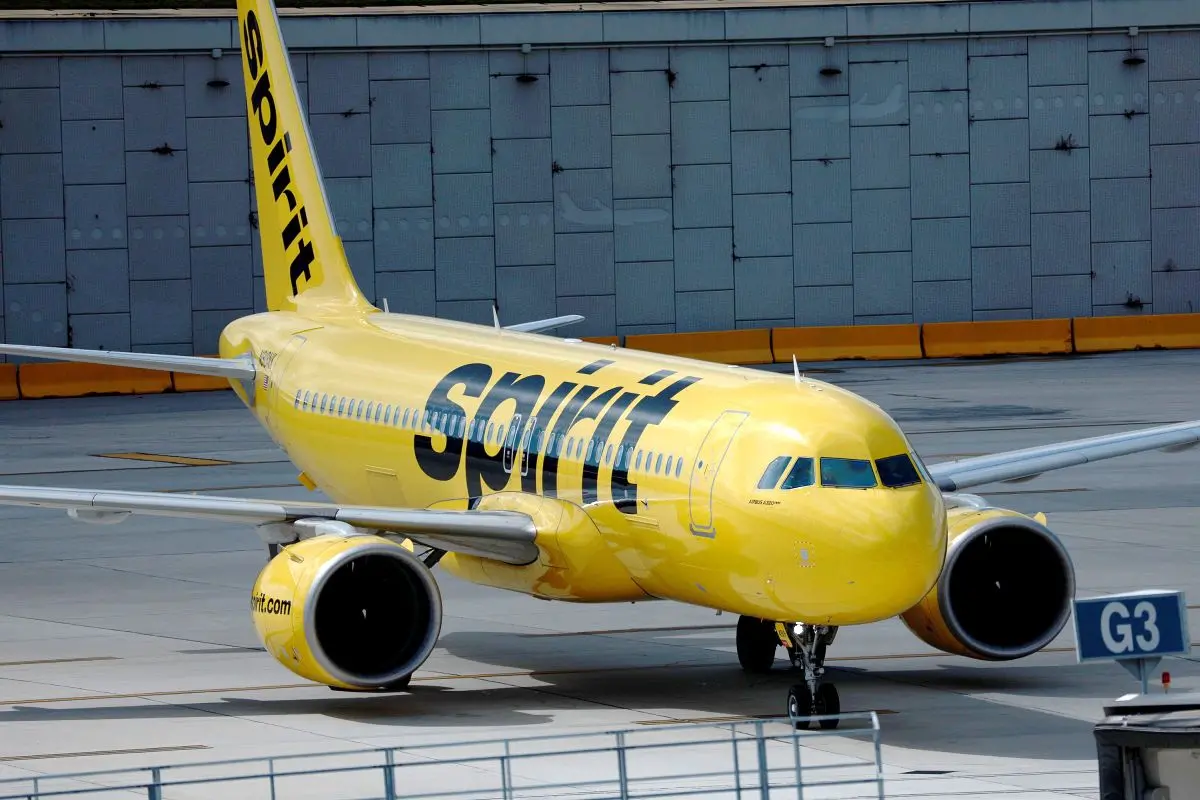
Spirit Airlines, the brash ultra-low-cost carrier that upended the US aviation market with rock-bottom fares and cheeky advertising, has shut down operations after 34 years in the skies, following the collapse of last-ditch bailout talks with the Trump administration.
In a notice posted on its website on Saturday, the airline said it had "started an orderly wind-down of our operations, effective immediately," confirming that all flights have been cancelled and customer service is no longer available.
"We are proud of the impact of our ultra-low-cost model on the industry over the last 34 years and had hoped to serve our guests for many years to come," the statement said, while advising passengers that they would receive refunds but no assistance in rebooking with other carriers.
The shutdown had been widely anticipated after Friday passed without a federal rescue package for the cash-strapped carrier, which once operated hundreds of daily flights with its distinctive bright yellow jets and employed about 17,000 people.
President Donald Trump said his administration had made a "final proposal" for a taxpayer-funded takeover to keep Spirit afloat, but no agreement was reached. The plan, discussed publicly in recent weeks, would have seen Washington inject around USD 500 million in exchange for a large equity stake in the airline.
Spirit has been in deep financial trouble since the COVID-19 pandemic, hammered by high operating costs, mounting debt and more recently a spike in jet fuel prices driven by the war with Iran.
Also Read: Boeing 777-9: Story of seven-year wait and near $15 billion bill
The carrier lost more than USD 2.5 billion between 2020 and late 2024, when it first sought Chapter 11 bankruptcy protection. It returned to court in August 2025 for a second filing, disclosing USD 8.1 billion in debt against USD 8.6 billion in assets.
Labour unions representing pilots, flight attendants and ground staff had lobbied aggressively for a rescue, warning that up to 17,000 jobs were at risk and that Spirit's collapse would reduce competition and push up airfares, especially for cost-conscious travellers.
The airline carried about 1.7 million domestic passengers in February 2026, roughly half a million fewer than a year earlier, and had already slashed capacity to about half the number of seats it was offering in May 2024, according to aviation analytics firm Cirium.
Also Read: Why India opening door to 'green jet fuel' makes sense
Spirit's disappearance will be felt most acutely in leisure-heavy markets where it was a dominant budget player, including Las Vegas and Florida hubs such as Fort Lauderdale and Orlando.
Industry analysts say the exit of one of the largest ultra-low-cost carriers will likely hand more pricing power to the remaining big players, closing a rambunctious chapter in US aviation defined by bare-bones tickets, a la carte fees -- and the bright yellow planes that became synonymous with no-frills flying.