India has reached an aviation ‘inflection point’: PM
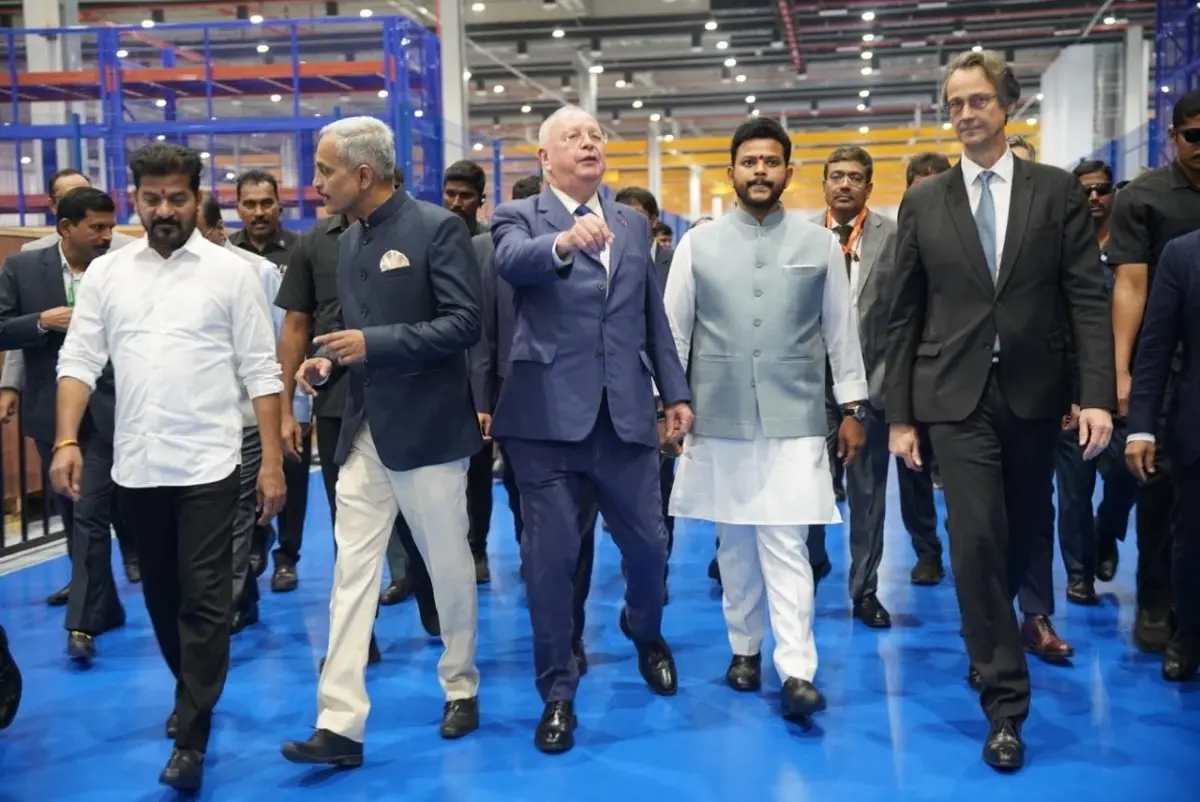
Prime Minister Narendra Modi on Thursday said India’s rapidly expanding aviation sector has reached a major turning point, as he inaugurated Safran Aircraft Engine Services India (SAESI), a large engine Maintenance, Repair and Overhaul (MRO) facility at the GMR Aerospace and Industrial Park in Hyderabad.
The Prime Minister joined the ceremony through video conference and also laid the foundation stone for Safran’s upcoming M88 Rafale engine MRO centre at the same site.
Calling the opening of the SAESI facility a significant milestone, Modi said India can no longer depend on foreign repair shops, especially when nearly 85% of aircraft maintenance is still done overseas.
He said the country’s aviation growth is creating new opportunities, and the government aims to make India a major global hub for aircraft and engine servicing. India is now the world’s third-largest aviation market, and domestic airlines have placed orders for more than 1,500 new aircraft.
Civil Aviation Minister K Rammohan Naidu said India’s MRO market could reach USD 4 billion by 2031. Bringing more maintenance work back to India would also help save nearly USD 15 billion in foreign exchange in the coming years, he said. According to him, expanding local MRO capacity will support small and medium enterprises and create demand for specialised suppliers.
Telangana Chief Minister A Revanth Reddy said Hyderabad is fast emerging as a strong aviation cluster due to the presence of global aerospace companies, engineering firms and a growing skilled workforce. He said the state government will extend full support to companies looking to expand their aerospace operations in Telangana.
The new SAESI facility, built with an investment of about INR 1,300 crore and spread across 45,000 sq. m, is one of Safran’s largest engine maintenance centres worldwide. It will service LEAP engines that power Airbus A320neo and Boeing 737 MAX aircraft. Safran expects the facility to handle up to 300 engines a year by 2035 and employ more than 1,000 engineers and technicians.
Modi said the project will generate high-skill jobs and promote technology transfer through Safran’s training programmes and partnerships with Indian institutions. He encouraged the company to explore engine and component design work in India, highlighting the country’s strong engineering talent and broad MSME base.
The Prime Minister also linked the aviation push to wider policy reforms, including 100% FDI in most aviation segments, the opening of the defence sector to private companies, reduced compliance requirements and simpler tax processes. These steps, he said, have strengthened India’s position as a trusted investment destination and an emerging manufacturing hub.
To support the MRO industry, the Centre has introduced several policy measures in recent years, including GST rationalisation in 2024, MRO Guidelines 2021 and initiatives under the National Civil Aviation Policy. Officials say these reforms have helped lower operating costs and make India more attractive for domestic and global MRO players.