From ₹658 to ₹3,071: How LPG prices skyrocketed in India
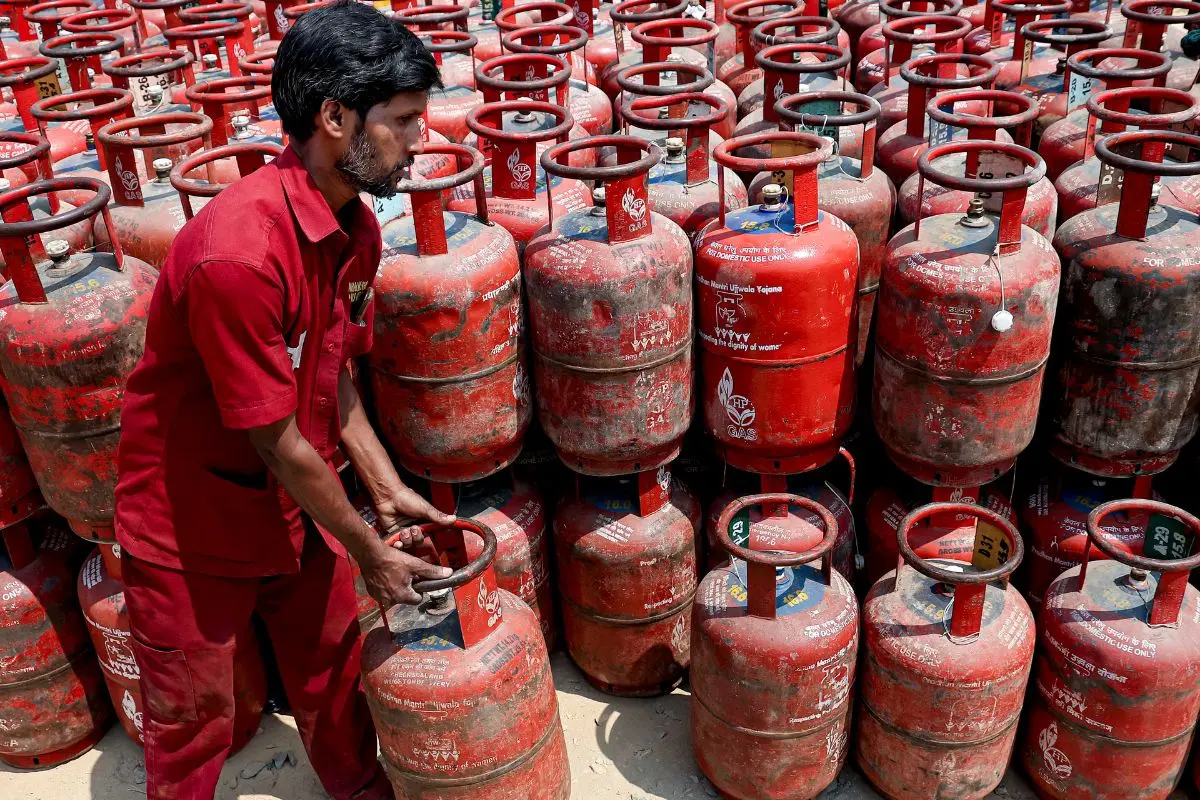
New Delhi: Commercial LPG prices in India have seen a sharp and historic rise, with a 19-kg cylinder now costing ₹3,071.50 in Delhi as of May 1, 2026. This marks the steepest-ever monthly increase of ₹993 and caps a three-month surge of ₹1,303, reflecting the impact of global energy disruptions linked to tensions in West Asia.
The latest price jump comes after consecutive increases in recent months. A commercial LPG cylinder was priced at ₹2,078.50 in April 2026, following earlier hikes of ₹195.50 in April and ₹114.50 in March.
With the latest revision, prices have crossed the ₹3,000 mark for the first time, placing significant cost pressure on businesses such as hotels, restaurants, and catering services that rely heavily on commercial LPG.
Long-term trend: From ₹658 to over ₹3,000
Commercial LPG prices have fluctuated significantly over the years. According to data from Indian Oil Corporation, prices in Delhi were as low as ₹831 in 2008 and dropped further to ₹658.22 in 2009.
Since then, prices have gradually trended upwards, influenced by global crude oil movements, currency fluctuations, and changes in subsidy policies. The current rate of ₹3,071.50 represents a dramatic increase, nearly five times the 2009 levels.
Year-wise snapshot of commercial LPG (19-kg cylinder) prices in Delhi to show the long-term trend:
- 2008: ₹831
- 2009: ₹658
- 2010: ₹700–₹800 (fluctuating rise begins)
- 2012: ₹1,000+
- 2014: ₹1,200
- 2016: ₹1,100 (dip due to global crude fall)
- 2018: ₹1,300–₹1,400
- 2020: ₹1,100–₹1,300 (pandemic volatility)
- 2021: ₹1,700–₹2,000
- 2022: ₹2,000–₹2,300 (energy crisis spike)
- 2023: ₹1,800–₹2,000 (partial correction)
- 2024: Peak ₹1,646 (as per earlier trend data)
- 2025: ₹1,500–₹1,700 (moderate range)
- 2026 (May): ₹3,071.50 (record high)
What is driving the surge
The primary factor behind the recent spike is a sharp rise in global crude oil prices, which have reportedly increased by nearly 50% due to supply disruptions amid the ongoing West Asia conflict.
As India imports a large portion of its energy needs, international price movements directly impact domestic fuel rates. Commercial LPG, which is not subsidised, is revised monthly in line with global benchmarks and exchange rates.
State-run oil firms such as Indian Oil Corporation, Bharat Petroleum, and Hindustan Petroleum adjust these prices on the first of every month.
Domestic LPG remains unchanged
In contrast to commercial cylinders, domestic LPG prices have remained stable. A 14.2-kg household cylinder currently costs ₹913 in Delhi, with the last revision made on March 7, when prices were increased by ₹60.
This pricing strategy is aimed at shielding households from inflation, even as commercial users bear the brunt of global price volatility.
The steep rise in commercial LPG prices is expected to increase operating costs for businesses in the food and hospitality sectors. These costs may eventually be passed on to consumers through higher prices for meals and services.
Smaller cylinders have also seen sharp increases. The price of a 5-kg market-priced LPG cylinder has risen significantly, narrowing the gap with domestic LPG rates.
Other fuel price movements
While commercial LPG prices surged, aviation turbine fuel (ATF) for domestic airlines remained unchanged, providing temporary relief to the aviation sector. However, ATF prices for international airlines have been increased.
Bulk diesel used by industrial consumers has also become more expensive, rising well above retail diesel prices available at petrol pumps.
The current surge in LPG prices highlights India’s vulnerability to global energy shocks. With geopolitical tensions affecting supply chains and pushing up crude oil prices, fuel costs are likely to remain volatile.
The divergence between commercial and domestic LPG pricing also underscores the government’s attempt to balance inflation control with market-linked pricing for industrial fuels.