Air India Express accused of safety violation, forgery after delayed engine fix
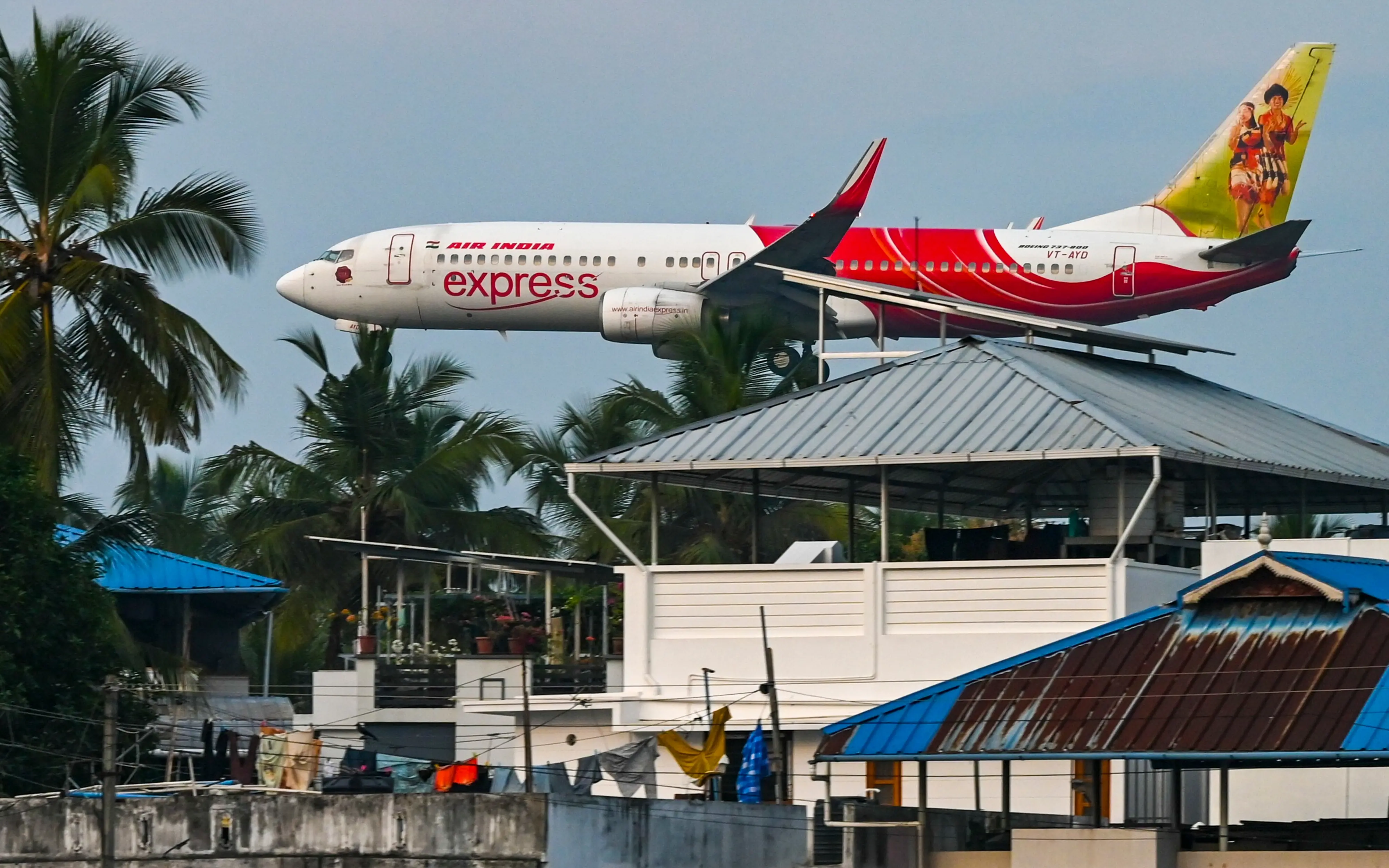
The Directorate General of Civil Aviation (DGCA), India’s civil aviation regulator, formally reprimanded Air India Express in March after discovering the airline delayed the replacement of critical engine components on an Airbus A320, as required by a 2023 European Union Aviation Safety Agency directive. Worse still, the DGCA said the airline falsified maintenance records to conceal non-compliance.
The Indian government's confidential memo in March sent to the airline, seen by Reuters, said that surveillance by the Directorate General of Civil Aviation (DGCA) revealed the parts modification "was not complied" on an engine of an Airbus A320 "within the prescribed time limit."
During a March 18 inspection, the DGCA determined that an Airbus A320, tail number VT‑ATD, had not undergone the mandated parts replacement for its CFM International LEAP‑1A engine within the allotted timeframe.
To seemingly meet the directive’s requirements, the airline is accused of altering entries in its AMOS maintenance software, thereby forging records of compliance.
Speaking to Reuters, Air India Express acknowledged the lapse and attributed it to issues during the migration of its digital maintenance records. It has taken “remedial action and preventive measures,” including suspending relevant quality managers and the deputy continuing airworthiness manager.
The root cause of the delay was traced back to a DGCA audit in October 2024; since then, the aircraft continued to be flown only a few times without the required engine fix.
The EU directive warned that failure to replace these engine parts could lead to in-flight failures, potentially releasing “high-energy debris” and compromising aircraft control.
This audit occurred months before the tragic June crash involving an Air India Boeing Dreamliner in Ahmedabad, which killed 241 passengers. While unrelated, the disaster intensified scrutiny surrounding the airline group.
Safety experts highlight that continued flight without mandated engine maintenance especially over sea routes or busy airspace poses grave risks. The revelations cast doubt on the airline group’s commitment to rigorous operational standards, an area the Tata‑owned Air India has been keen to improve as it seeks to become a premier global carrier.
The DGCA’s findings point to systemic lapses not just in maintenance execution, but in quality oversight. Though Air India Express is now addressing the problem, this episode adds to a broader narrative of safety challenges facing the Tata‑run airline group.