Why mosquitoes swarm: Kerala scientist decodes mating mystery
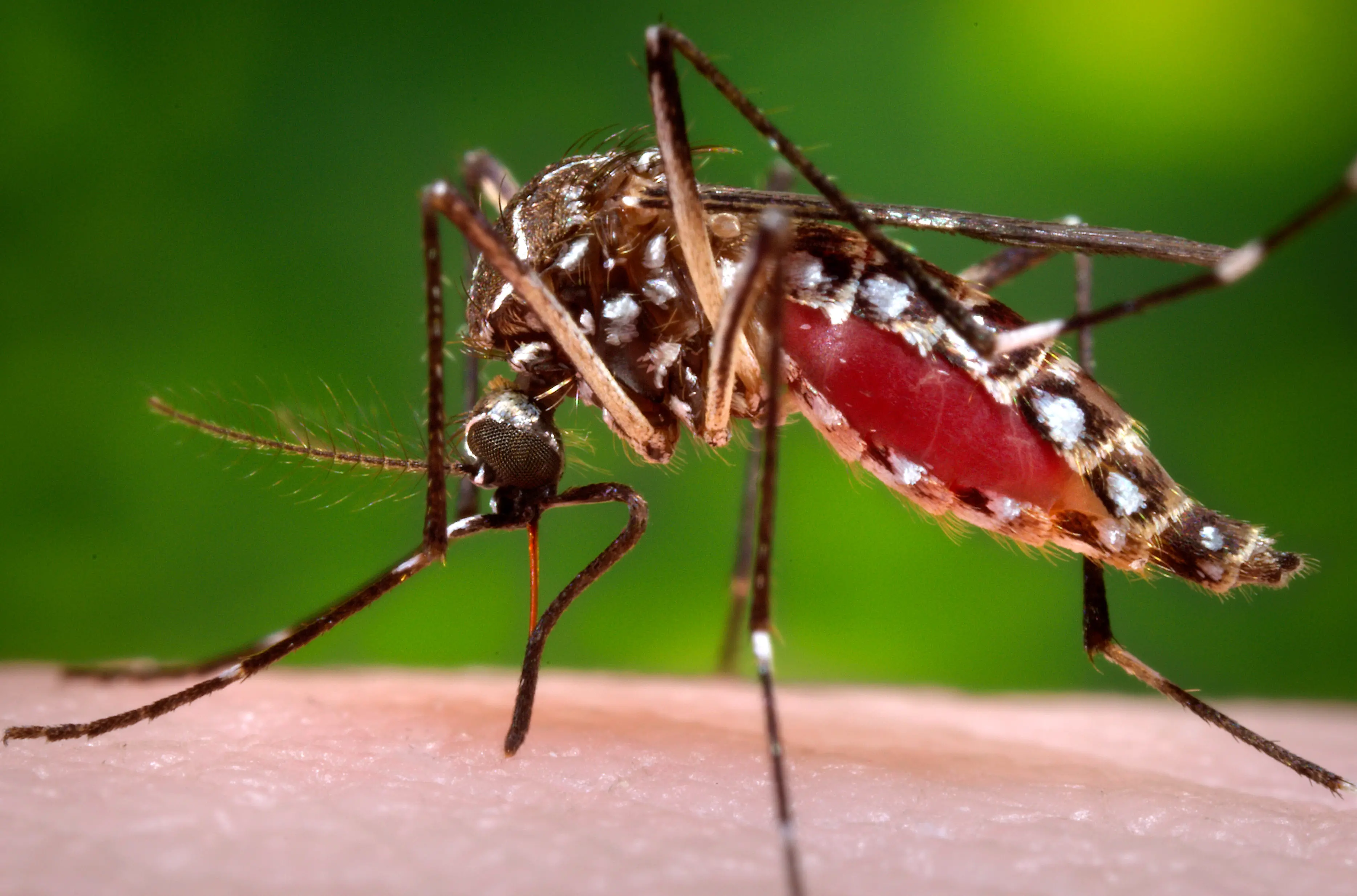
Pathanamthitta: If you see a swarm of buzzing mosquitoes flying, be sure it signals the preparation for a new generation. Scientist Dr Rajan Pilakandy discovered this marvel in mosquitoes when he closely studied the sound of their wingbeats, which we commonly call buzzing.
Dr Rajan, a scientist at the Kerala Forest Research Institute (KFRI), Peechi, previously worked with the Defence Research and Development Organisation (DRDO). His research paper has been published in Scientific Reports, a journal under the international publication Nature.
Wingbeats and mating
Mosquitoes beat their wings to find mates by checking whether the sound matches the frequency of their female counterparts. Male and female mosquitoes that find a similar frequency will separate from the group to mate. Once they mate, the male mosquito dies within four to five days.
After mating, the female mosquito seeks a blood meal. By feeding on the blood of humans or animals, her body becomes ready to lay eggs. The eggs hatch into larvae within three days, pupate within two weeks, and become fully grown mosquitoes within two days.
The female lays eggs again without mating
After laying eggs, the female mosquito, which stores the sperm of the male in her body, will again seek blood. She will then lay a second batch of eggs, creating a new generation. If she does not get blood the second time, she will spend the rest of her life feeding on plant juices.
The lifespan of a male mosquito is about one week, while the female lives for around one month. Male mosquitoes do not drink blood; they feed solely on plant juices. If a female mosquito remains unmated, she will not bite, even if you extend your hand.
Rabbit blood for testing
Dr Rajan raised mosquitoes in cages for six months during his time at DRDO. Rabbits were kept in those cages so the mosquitoes could feed on their blood. Male mosquitoes had a frequency of 600 Hz. They identified female mosquitoes with a frequency of at least 500 Hz as suitable for mating. The number of females in the cage was higher.
India is home to 404 species of mosquitoes, according to Dr Rajan. Each species has its own distinct wingbeat frequency.
Diganta Goswami, Vanlal Hmuaka, Sibnarayan Datta, Bipul Rabha, and Dev Vrat Kamboj were the co-researchers.
Dr Rajan: A source of pride for the tribal community
Dr Rajan Pilakandy, a native of Thariode in Wayanad, is a scientific talent who hails from a tribal community. He earned his bachelor's degree in zoology from Devagiri College, Kozhikode, a postgraduate degree in wildlife studies from Farook College, and a doctorate from the Salim Ali Centre for Ornithology and Natural History, Andaman.