Discrimination must change
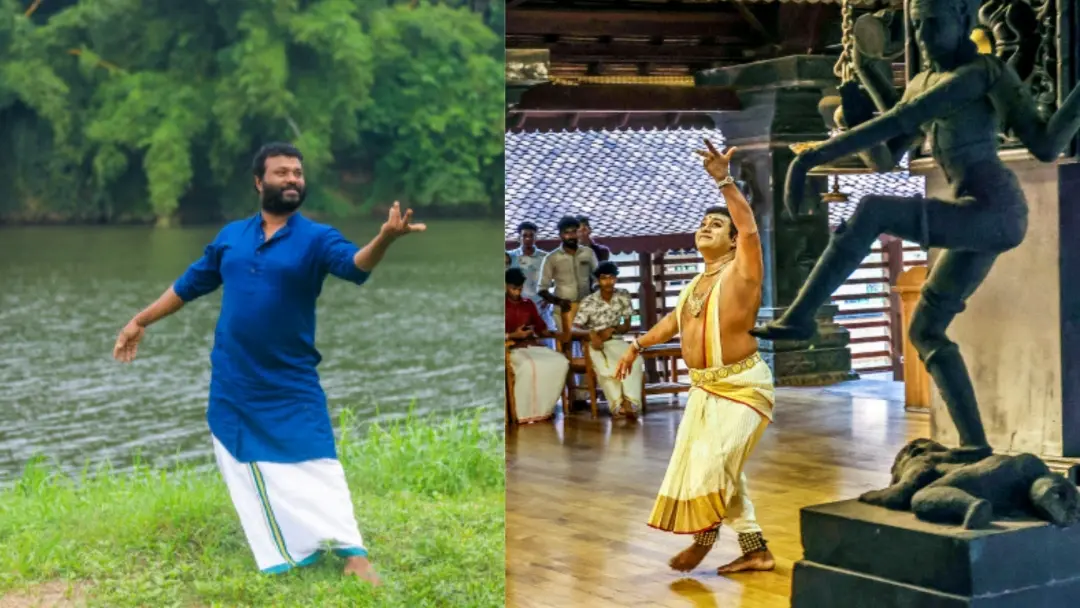
Q: Do you feel that your appointment as a teacher at Kalamandalam sends any message to society?
For those born into the grassroots, recognition and opportunities have often been inaccessible. While this thought may still need some correction, my appointment may help in changing that. Many artists ask me, "No matter how well we perform, what's the point?" Now, I can say that when the right people come face to face, the right things will happen. But I’m not saying this is easy. It is after enduring neglect and discrimination that I have moved forward. This is a small proof that if people with a broad mindset think, caste, color, and discrimination can be eradicated.
Q: Do you think your role as a teacher will bring about any positive change with the students at Kalamandalam?
In Kerala, there is also gender discrimination in the field of dance. While male dancers are well-received outside Kerala, the situation here is different. Therefore, my opportunity could benefit this issue. This could also lead to more recognition for male dancers in Kerala. In the future, it may inspire more male teachers and boys to enter the dance field. Boys and girls should study together, not in separate schools, and this should apply to dance education as well. Let there be gender equality.
Q: In a culturally advanced state like Kerala, what kind of discrimination still exists in the arts?
When continuing as an ordinary artist, there is no trouble. But once you enter the mainstream and get noticed, the situation changes. At that point, caste, color, and other forms of discrimination become factors. It is only because of this that art is undermined. Various disagreements arise, and some might be due to selfish thinking. But this is real and painful. Even to make one move away from the art world. I hope this mentality will change.
Q: Do you still feel hurt by the comments made by a senior artist about your skin color? Didn’t it open up an opportunity for a productive discussion in society?
Even then and now, I did not feel personally hurt or insulted. However, I responded because it would cause difficulty for many people like me. I took legal action. Many people stood by me, which was a relief. One person happened to openly express their opposition and opinions verbally; however, there are many others who hold such beliefs but don’t express them. Many institutions have such believers. Many students have complained to me in different situations that their marks are being reduced due to discrimination. Therefore, I was ready to take action for the future. I do not feel bad about my dark skin. To those who believe in such discrimination, I only have one thing to say: evaluate the excellence of art, criticize it, but do not judge based on race or color. I believe that true cultured individuals do not act this way.
Q: Even in your WhatsApp profile picture, you feature with your brother, Kalabhavan Mani. Is it an attempt to continue as "Mani's brother," or should you move towards a more independent identity as a dancer and teacher?
In the field of art, I have my own path. I have my own identity, which has been there for a long time. However, Mani Chettan (Kalabhavan Mani) is like a textbook to me. He taught me how to move forward without getting discouraged in times of crisis. His loss still remains a wound for me. He, too, was someone who experienced various forms of discrimination, both in mimicry and acting. But we are born and brought up in fire and won’t wither in the sun.
(Translated by Warda Zain)