Priyadarshini: ₹95 crore free rides in Month 1; KSRTC and private buses face crisis
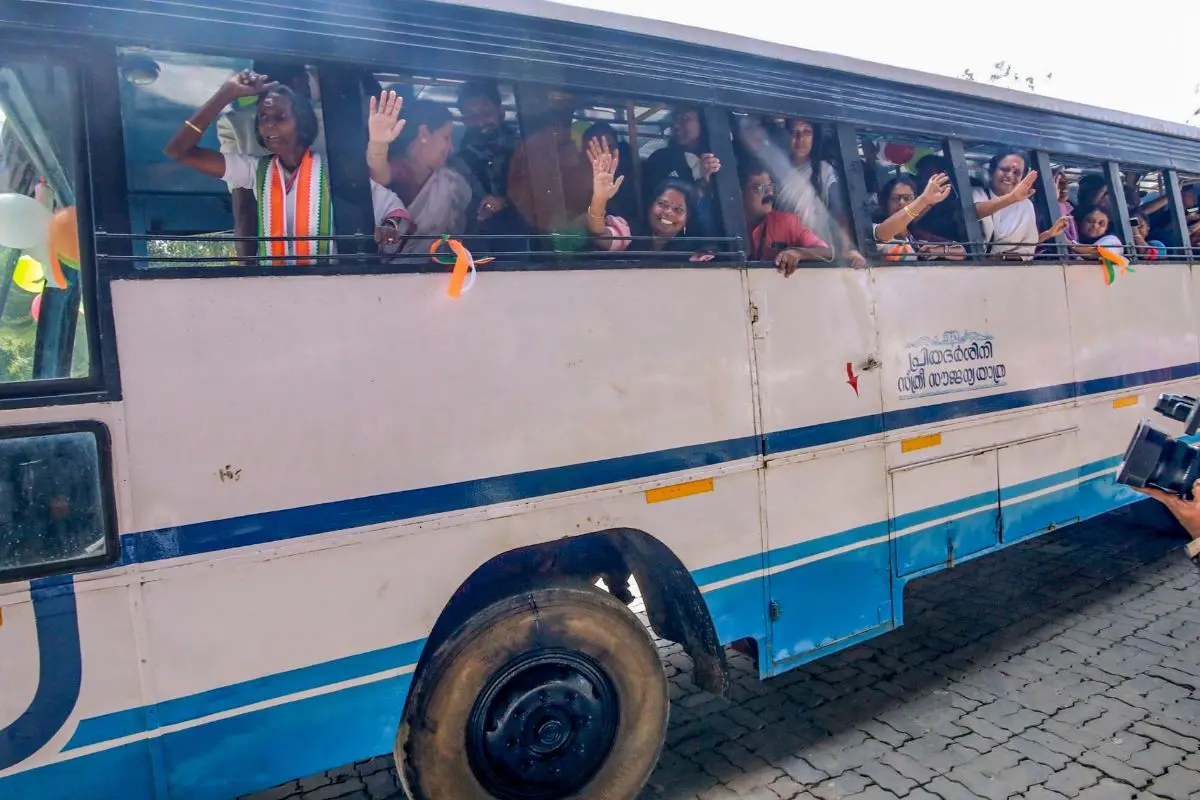
Thiruvananthapuram: The 'Priyadarshini' scheme, which offers free travel to women and transgender persons on Kerala State Road Transport Corporation (KSRTC) ordinary buses, has completed its first month. The initiative has witnessed massive adoption, with approximately 3 crore women availing of the free service within the first month alone, resulting in subsidised travel worth an estimated ₹95 crore.
On average, 11 to 12 lakh women commuters benefit from the free travel daily across 3,125 KSRTC ordinary buses deployed for the service. Official KSRTC records indicate a surge of up to 40 per cent in female ridership since the launch of the scheme.
Cash-strapped KSRTC awaits government reimbursement
Despite the scheme's popularity, KSRTC continues to struggle with a severe financial crisis. The cash crunch is primarily driven by delays in the government releasing the required subsidy funds. The transport corporation has received only ₹100 crore from the government, half of which (₹50 crore) constitutes previously allocated budgetary support.
With daily revenue losses under the free travel scheme pegged at ₹3.5 crore, KSRTC is exploring borrowing options from public sector financial institutions. This move follows a setback where an application to increase KSRTC's monthly overdraft limit of ₹50 crore with the SBI consortium was not approved.
Private bus operators and staff hit hard
The private bus sector is steering towards a deep financial crisis, triggering widespread concern among both bus owners and workers. Unlike conventional sectors where employees receive fixed wages at the end of a shift, private bus operations in Kerala run on a collection-based system. Workers deduct operational costs, fuel expenses and their daily wages before handing over the remaining balance to the bus owner.
Confronted by a steep decline in passengers, crew members report that there is often no surplus left for the owners. To sustain operations, staff are taking voluntary pay cuts, in many instances reducing their daily wages from ₹1,200 to around ₹800 or ₹900, just to ensure the owner receives a return.
Nearly half of the private buses operating in the state have been adversely affected by the Priyadarshini scheme. Although the government has permitted private operators to display advertisements both inside and outside the vehicles to generate alternative revenue, owners maintain that advertising income will not suffice to offset the ridership losses.
Government orders impact study
To address the brewing crisis, the state government has constituted a special committee to study the specific challenges faced by the private bus sector following the launch of the scheme. The panel is chaired by retired IPS officer K Padmakumar.
Following discussions with private bus owners, Transport Minister C P John announced that in addition to permitting vehicular advertisements, the government will formulate a comprehensive transport policy for the state.