New Amoebic meningoencephalitis case detected in Kochi amid rising flu infections
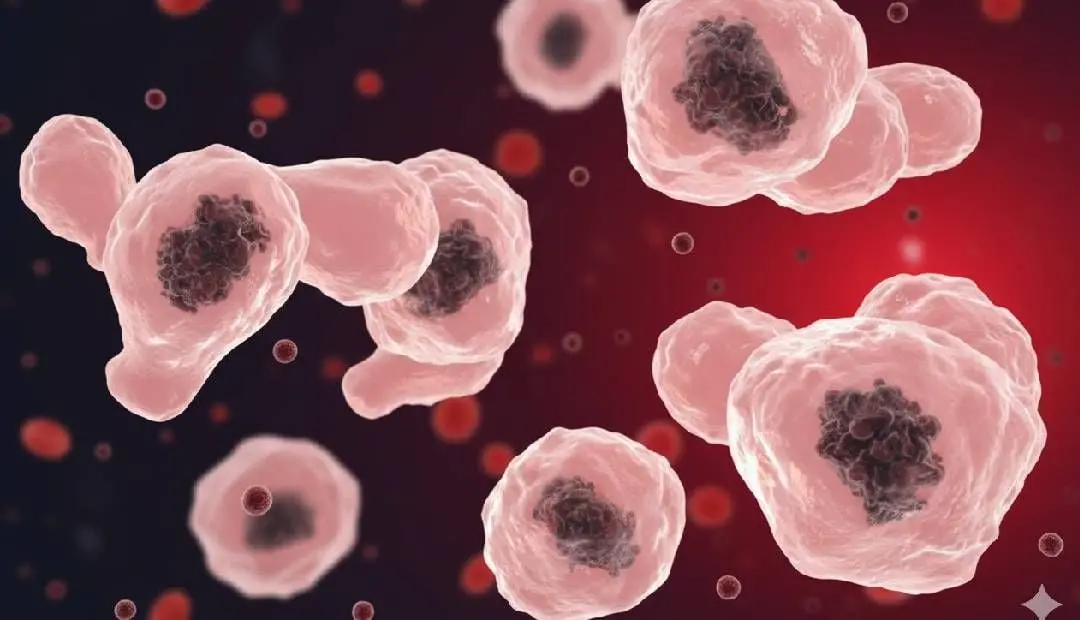
Kochi: A new case of amoebic meningoencephalitis has been reported in Kerala, with the infection confirmed in Kochi. Initial tests have identified the disease in a Lakshadweep native working in Edappally, while RT-PCR results are awaited.
The patient is currently being treated at a private hospital, and health officials have stated that his condition is stable and there is no immediate cause for concern.
According to state health department data, 153 cases of meningoencephalitis have been reported in Kerala so far, with 33 deaths recorded.
Meanwhile, several cases of H1N1 influenza have also been detected in Kochi. A CUSAT engineering student from Kalamassery has tested positive for the flu, and other students who were in contact with him are under observation. Authorities have assured that there is no reason for alarm at present.
What is Amoebic meningoencephalitis?
Amoebic meningoencephalitis is a rare but severe brain infection caused by free-living amoebae such as Naegleria fowleri, Acanthamoeba, Sappinia, and Balamuthia mandrillaris. The amoeba typically enters the brain through the thin membrane separating the nasal passages and brain, or through a perforated eardrum, leading to meningoencephalitis.
The disease has a mortality rate exceeding 97 per cent and is not transmitted from person to person. Infection usually occurs through stagnant or contaminated water. The amoeba, found in the sediment of ponds or lakes, can enter the body through the nose while swimming or diving. Symptoms typically appear within one to nine days of exposure.
Symptoms
- Severe headache
- Fever
- Nausea and vomiting
- Stiff neck
- Sensitivity to light
In children, symptoms may include loss of appetite, lethargy, or unusual behaviour. In advanced stages, patients may experience seizures, confusion, loss of consciousness, or memory loss.
Early diagnosis and treatment are crucial. Doctors can confirm the disease through PCR testing of spinal fluid samples. Treatment involves a combination of five anti-amoebic drugs, and prompt initiation of therapy improves the chances of recovery.
Precautionary measures
- Avoid bathing in polluted or stagnant ponds.
- Do not wash your face or bathe in water containing algae, animals, or sewage.
- Be cautious when using water from unclean reservoirs.
- Individuals with a history of nasal surgery, head injury, or ear infections should exercise special care.
- Avoid diving or swimming in stagnant water whenever possible.
- Ensure that swimming pools and theme park waters are properly chlorinated and maintained.
- Avoid pouring or inhaling water through the nose; using a nasal clip can help prevent water entry.
Health officials have reiterated that with timely precautions and awareness, the risk of amoebic encephalitis can be significantly reduced.