Kerala’s rising snakebite death toll: Who faces highest risk and what factors beyond heat matter?
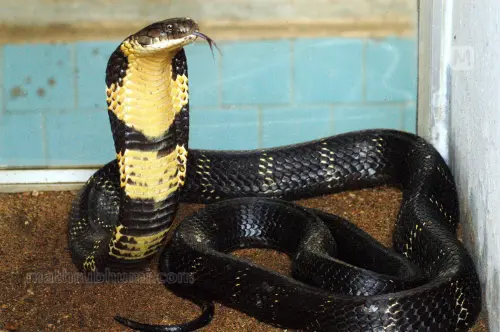
Thiruvananthapuram, Kerala: Two elderly women have died from snakebites in Kerala, taking the recent toll to seven as cases rise across districts. The latest fatalities were reported on Sunday, 26 April, from Kannur and Idukki, where victims aged 65 and 75 were bitten near their homes. The incidents come amid a wider spate of attacks in districts including Thrissur and Alappuzha, with several others currently undergoing treatment in hospital.
Rural workers face the highest risk
Recent data points to a growing threat in Kerala’s rural and agricultural regions. Experts estimate the state records between 3,000 and 4,000 critical snakebite cases annually.
Although mechanisation has reduced risks in traditional farming, exposure has shifted. Workers engaged in clearing undergrowth under national employment schemes are now identified as the most vulnerable. Around 60 per cent of victims are labourers who encounter snakes concealed in dense vegetation or along rural pathways.
The science behind the summer surge
Rising temperatures are often linked to increased snake sightings near homes. However, scientific assessments indicate a more complex pattern.
Snakes are cold-blooded and unable to regulate body temperature internally. Extreme heat can be fatal to them, prompting many to retreat deeper into burrows where soil offers insulation. Increased encounters near human habitation may instead be associated with the search for water, breeding behaviour, or the movement of prey such as rodents.
A strategic public health response
In 2025, the Kerala government designated snakebite envenomation as a disease of public health importance. The move requires hospitals to report all cases.
The classification is intended to strengthen coordination in treatment and ensure a consistent supply of antivenom across healthcare facilities.