Kerala among states at risk of water stress as reservoirs fall short of capacity after monsoon
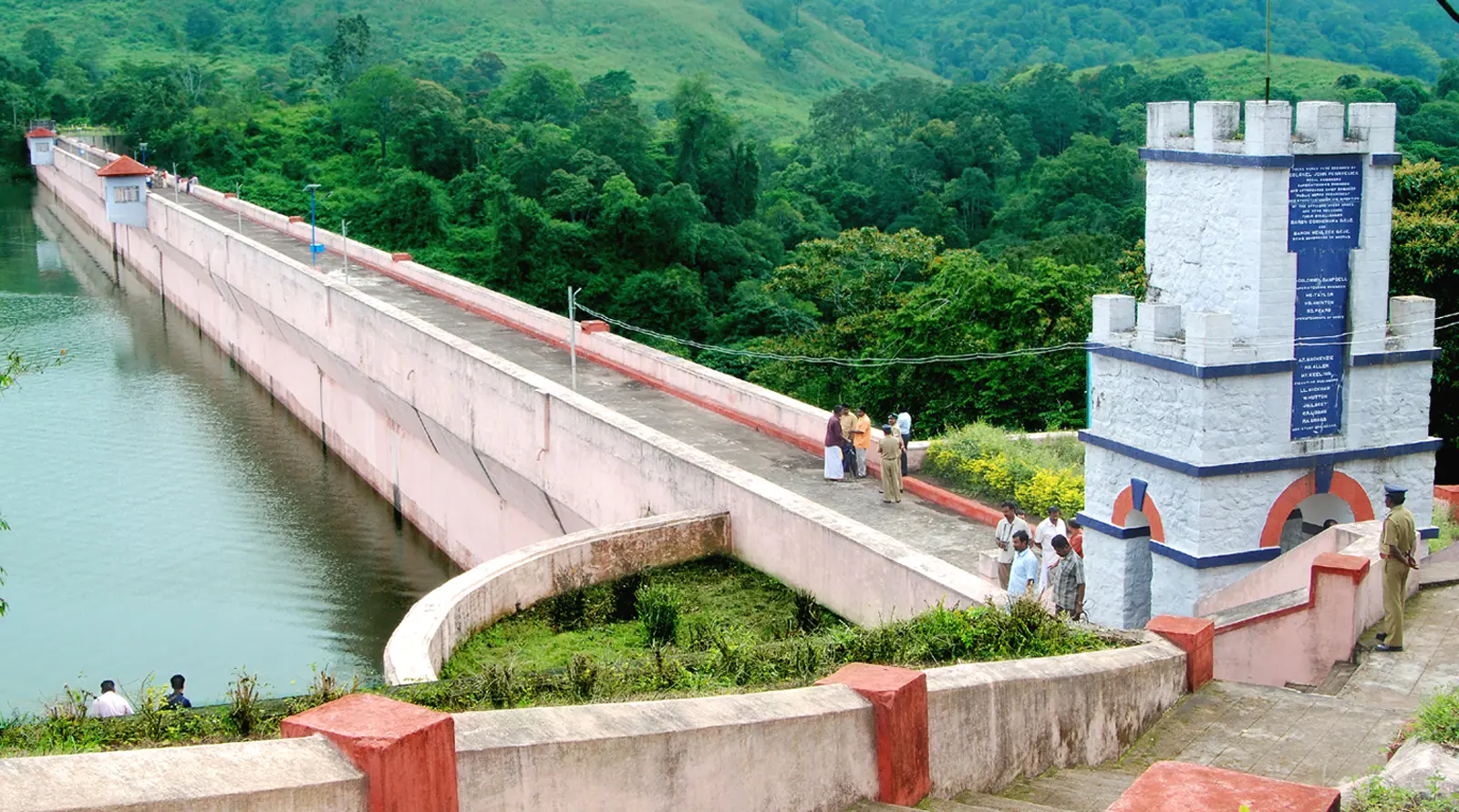
Reservoir water storage across India remains below capacity even after the monsoon season, with southern states facing a particularly worrying situation, according to the Central Water Commission (CWC).
The commission’s assessment has raised concerns about possible drinking water shortages and agricultural losses in the coming months, particularly as rainfall is expected to decline under El Niño conditions.
The CWC’s figures (national level)
Major reservoirs: 178
Shortfall against total capacity: 13%
Total water storage: 126.71 billion cubic metres (BCM)
Current storage percentage: : 68.58%
Maharashtra, Karnataka, Telangana, Andhra Pradesh, Tamil Nadu and Kerala are among the states facing particularly difficult reservoir storage conditions, according to the assessment.
In Andhra Pradesh, the Somasila reservoir is at 22% of its capacity, while the Srisailam reservoir in Telangana is at 33%.
Tamil Nadu’s Mettur reservoir is at 32% of capacity, while Aliyar is at 50%. In Maharashtra, storage at Jayakwadi stands at 15%, while Ujjani has only 10%.
CWC data on Kerala dams
Idukki is at 59% of its capacity, while Pamba is at 21%. Kakki stands at 63%, and Idamalayar is at 70%. Malampuzha has storage equivalent to 52% of its capacity.
Other data pointers
The CWC assessment states that 42 reservoirs have water storage between 50% and 80% of their capacity. Of these, 11 have storage levels in the 50–60% range.
Water availability is also a concern for hydroelectric power projects. Of the 20 reservoirs associated with hydropower schemes, 12 have storage levels significantly below normal.
The Pennar and Cauvery river basins could see water scarcity intensify, according to the assessment. The Krishna basin, along with the Sabarmati and Kutch-Saurashtra regions, may also face declining water availability.