Kerala sees sharp decline in cattle numbers; farmers struggle with low milk prices
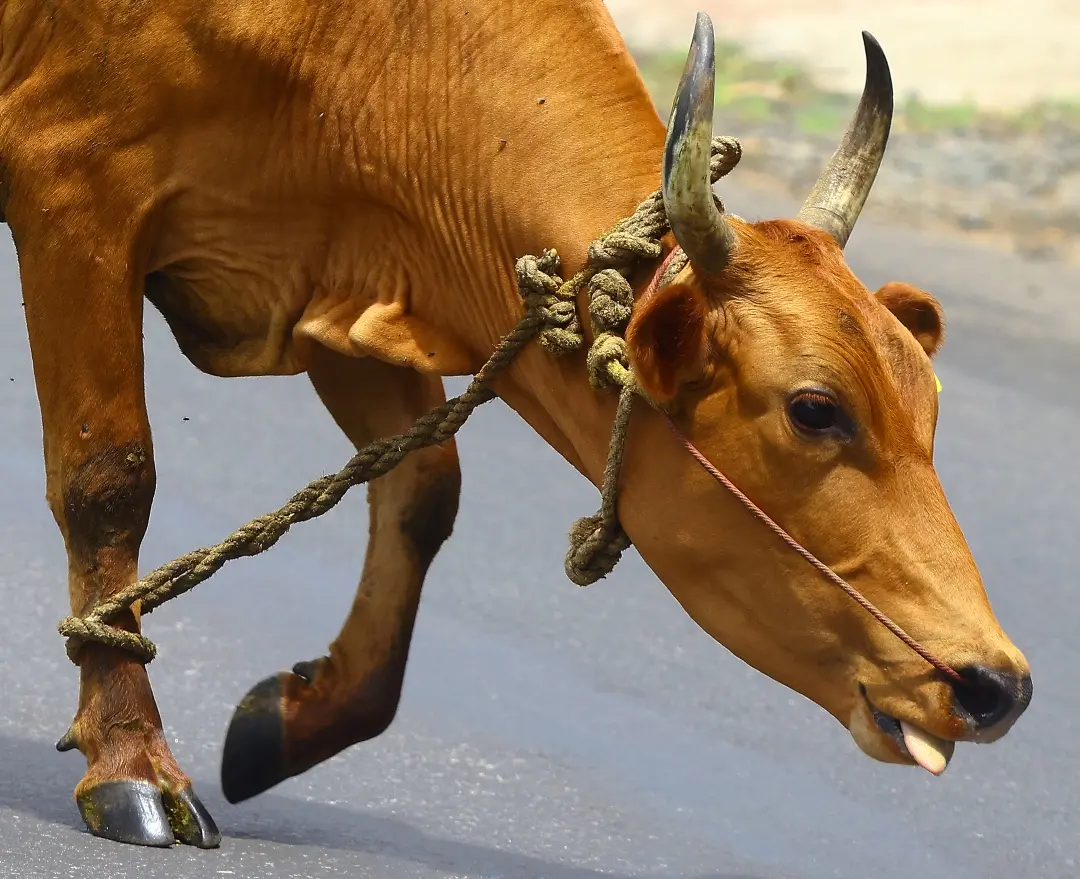
Kuttippuram: A significant decline has been found in the cattle population in the state. According to the 21st Livestock Census conducted at the national level by the Central Department of Animal Husbandry, the number of cattle in Kerala has dropped from 1.3 million to just 900,000.
Taking note of this alarming decline, the Indian Veterinary Association Kerala has come forward with scientific recommendations to improve cattle rearing practices in the state.
The Association observes that low procurement prices for milk, rising cattle diseases, and the lack of farmer-friendly schemes have forced many dairy farmers to abandon the sector.
For instance, the cost of producing a litre of milk comes to around ₹56, whereas farmers receive only about ₹46 per litre from cooperative societies.
Even after accounting for subsidies and other support, the effective price barely crosses ₹50, leaving farmers at a loss. As a result, the only viable solution is to reduce production costs.
According to Association General Secretary Dr. VKP Mohan Kumar, a detailed memorandum with their findings and recommendations has been submitted to the Minister for Animal Husbandry and the Chairperson of the State Planning Board.
Key recommendations include:
- Promoting fodder banks and silage production to reduce feed costs.
- Encouraging fodder cultivation on fallow lands and as inter-crops among huge trees.
- Provide small-scale farmers with access to quality compound cattle feed through societies.
- Ensuring good quality cattle feed
- Establish dedicated marketing centres for the dairy and poultry products under the department’s supervision.
- Training dairy farmers in modern milking techniques and the use of portable milking machines.
- Including cattle rearing under employment guarantee schemes.
- Removing financial aid restrictions for farmers with an annual income below ₹5 lakh.
- Ensuring timely vaccination drives and providing scientific treatment for cattle whenever necessary.