Why Kerala said no to free CNG buses? Tamil Nadu turned it into a ₹78 crore success
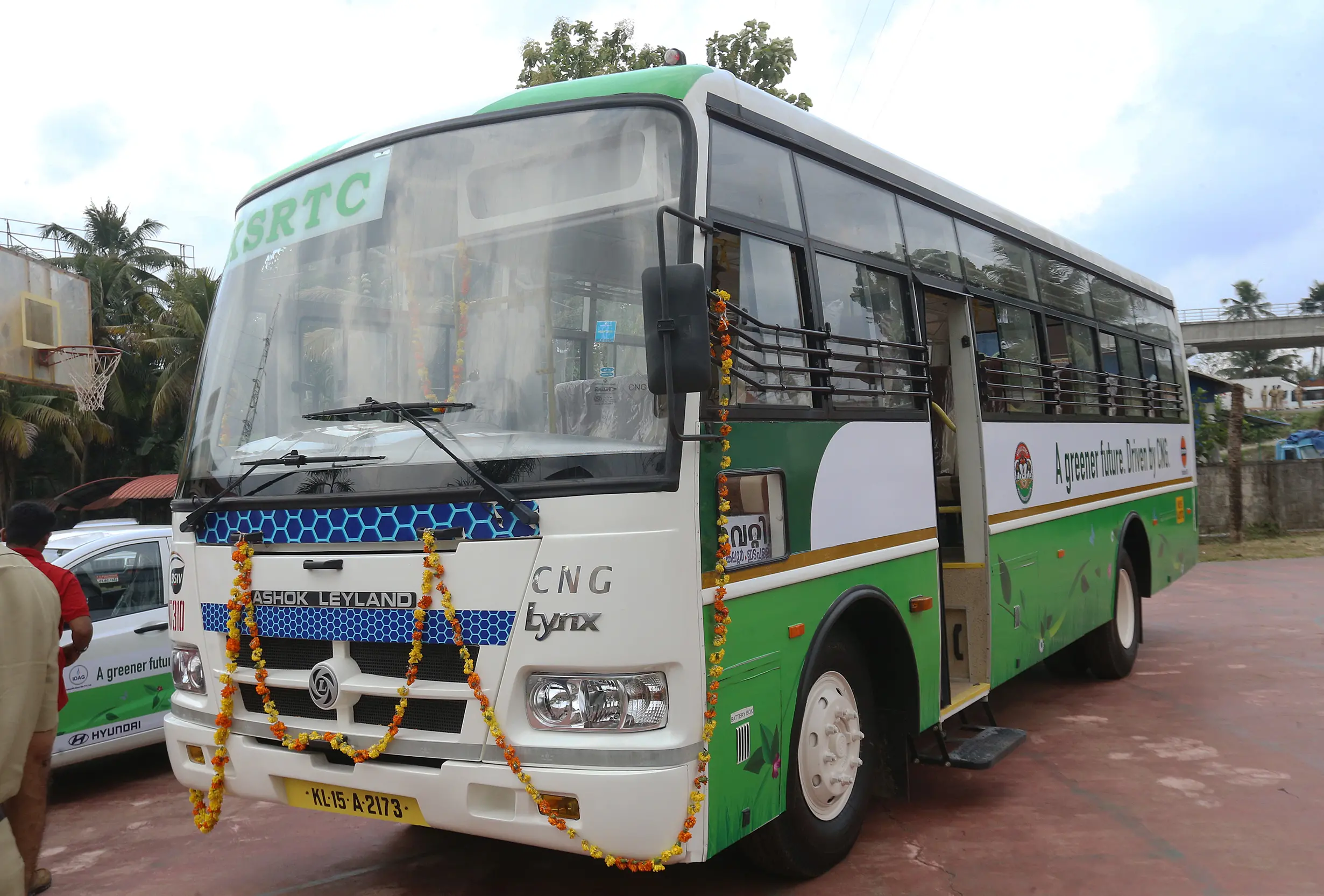
Thrissur: The Kerala State Road Transport Corporation (KSRTC) has declined an offer from the Indian Oil–Adani Group to convert 100 of its buses to Compressed Natural Gas (CNG) free of cost. The project, valued at around ₹7 crore, was withdrawn after the company reportedly received no response to multiple letters from the corporation.
The proposal aimed to help Kerala meet National Green Tribunal (NGT) guidelines requiring older buses to comply with environmental standards by switching to cleaner fuels. However, Kerala’s transport officials did not move forward with the plan.
Tamil Nadu accepts CNG conversion for ₹78 crore
While Kerala backed away, Tamil Nadu has embraced the transition. The Tamil Nadu Transport Corporation has finalised a ₹78 crore contract to convert 1,000 diesel buses to CNG, at approximately ₹7.8 lakh per vehicle.
Mumbai-based Eco Fuel Systems has been tasked with converting 850 of these buses, while two other companies will handle the remaining 150. The entire project is expected to be completed within a year, after which the buses will be ready for operation.
Tamil Nadu is also preparing to issue a new contract to convert an additional 760 buses, expanding the scope of its clean transport initiative.
Kerala cites low profitability and technical concerns
According to KSRTC officials, the Indian Oil–Adani proposal was rejected because switching to CNG was not considered financially viable. They said the price difference between diesel and CNG is only about ₹4.50 per litre, which provides minimal savings in operational costs.
Officials also noted that buses fitted with CNG kits often suffer from engine breakdowns and lower efficiency, leading to higher maintenance expenses. These concerns, they said, outweighed the potential benefits of adopting CNG.
Notably, officials admitted that environmental advantages were not factored into the decision, focusing instead on short-term cost implications.
Tamil Nadu’s studies highlight savings and green gains
Tamil Nadu’s transport department found that switching to CNG could generate savings of ₹2.9 to ₹4 per kilometre, improving fuel economy while cutting emissions. Studies also estimate that converting 1,000 buses to CNG will help the state eliminate 5.7 lakh tonnes of carbon dioxide annually.
This large-scale project aligns with both the National Green Tribunal’s directives and India’s National Clean Air Programme (NCAP), which aim to promote cleaner urban mobility.
Experts say Kerala missed a green opportunity
Environmental experts have criticised Kerala’s decision, arguing that KSRTC turned down a major opportunity to modernise its ageing fleet at no cost. The move, they say, contradicts the state’s public stance on sustainability and pollution control.
The rejection has sparked debate on whether Kerala’s transport planning focuses too narrowly on immediate financial viability rather than long-term environmental and operational gains.