Kerala groundwater crisis deepens: Alappuzha, Kollam worst hit
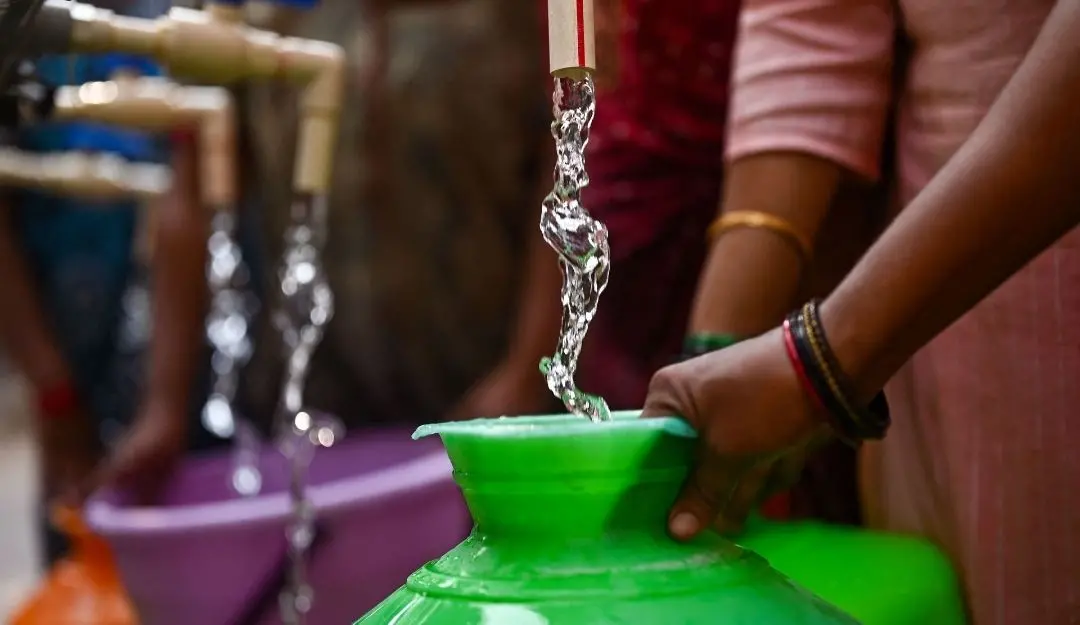
Thiruvananthapuram, Kerala: Groundwater levels in Kerala have declined significantly compared to a decade ago, with officials warning that a drop of more than two metres is an “alarming situation.”
According to authorities, areas where groundwater has fallen between one and two metres require special attention, while levels dropping below four metres could lead to severe water scarcity.
The findings are based on a comparison between the average summer groundwater levels from 2015 to 2025 and the current month’s readings. The study used data from 738 monitoring wells across the state under the Groundwater Department.
Officials said groundwater levels are likely to fall further if summer intensity increases in May and rainfall remains inadequate.
Around 42 per cent of open wells and borewells across the state have shown a decline in water levels. In contrast, only 30.77 per cent of tube wells in coastal regions have recorded a decrease.
The report also noted that groundwater levels have significantly dropped in 21 per cent of wells. A decline of more than two metres has been recorded in eight regions, while 23 regions have reported a fall between one and two metres.
District-wise analysis of borewells shows a highly alarming situation in Alappuzha (100 per cent of wells affected), Kollam (75 per cent), Thrissur (62.16 per cent), and Pathanamthitta (64 per cent).
Severe depletion has also been recorded in blocks including Ranni, Balussery, Kozhikode, Devikulam, Azhutha, Areekode, and Irikkur.
However, in districts such as Wayanad, Malappuram, Thiruvananthapuram, and Kozhikode, most wells have shown a slight increase in groundwater levels.
In tube wells, 69.23 per cent of locations in Thiruvananthapuram, Kollam, Alappuzha, and Ernakulam have reported a marginal rise in water levels, although some areas in Kollam have still recorded a significant decline.
Officials attributed the fluctuations to reduced rainfall, increased groundwater extraction, unscientific borewell construction, and changes in underground water-retaining geological layers.