Why are Kerala's sardines staying small? Fishermen & scientists puzzled
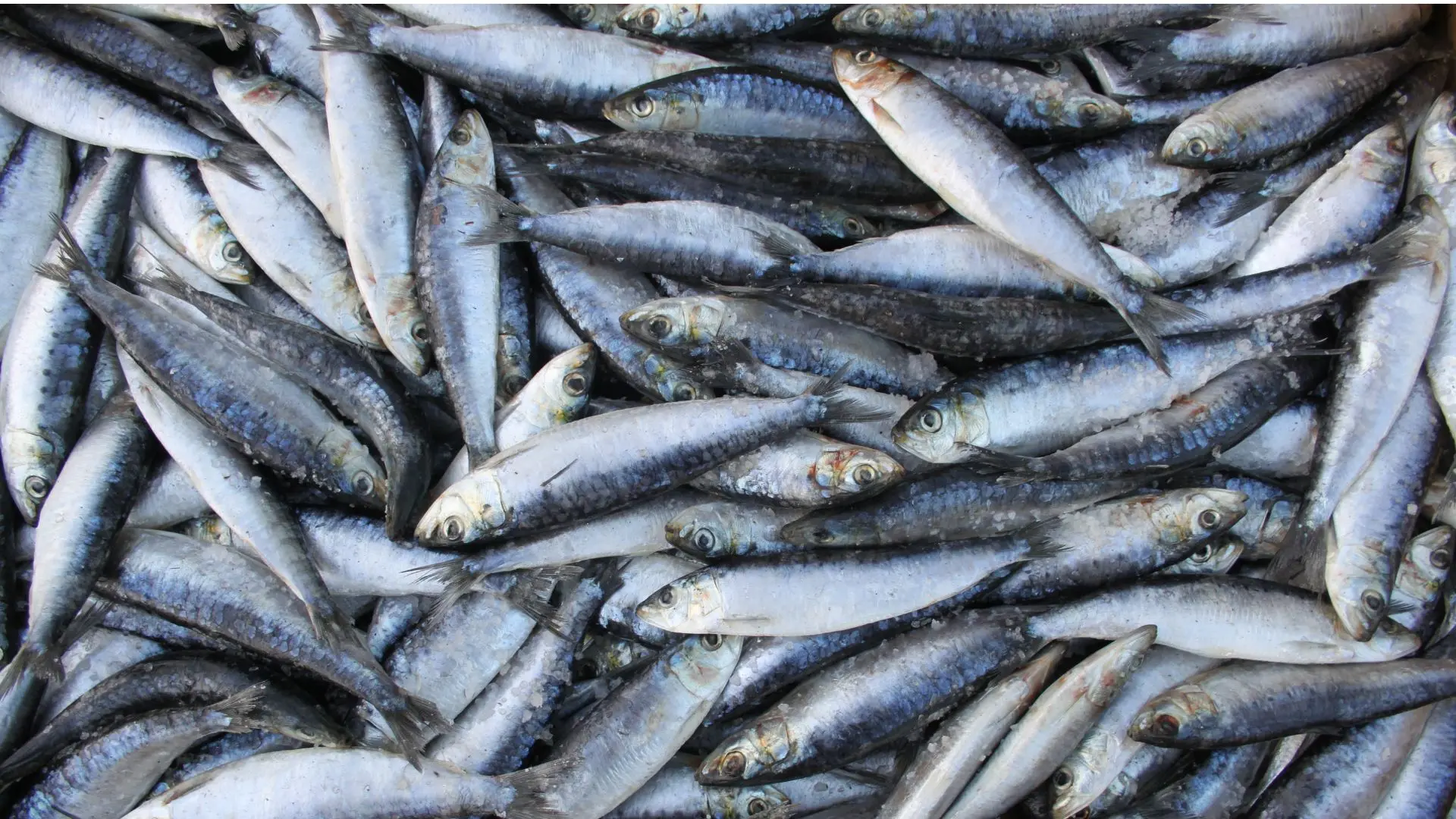
Thrissur: Fishermen in coastal areas of Kerala have noticed an unusual trend in sardine growth, with the fish failing to increase in size for over six months. Typically, sardines grow within a few weeks, but this time, their development has stagnated, causing concern among those who depend on the fish for their livelihood.
According to Pavithran Kallumadathil, the secretary of the Tharakan Association at Chettuva Harbour, this situation is unprecedented. Earlier, sardines were caught in large numbers, but their lack of growth has now led to reduced availability. While trawlers have taken over much of the sardine catch, traditional fishermen are struggling.
Despite the scarcity, the price remains low due to their small size, with smaller sardines being sold at ₹100 per kilogram, while larger ones, usually priced over ₹200 per kilogram, are arriving in small quantities from Tamil Nadu and Andhra Pradesh. However, traders claim that these lack the distinct taste of Kerala’s local sardines.
The Central Marine Fisheries Research Institute (CMFRI), Kochi, has launched an investigation to determine the reasons behind this phenomenon. Dr. Grinson George, Director of CMFRI, stated that a report will be released soon. One of the possible explanations being considered is the hotter-than-usual period between October 2023 and April 2024, which may have prolonged the breeding season and affected sardine development. Additionally, concerns about unscientific fishing practices disrupting the marine ecosystem are also being examined.
Sardines typically reach an average length of 20 cm, but for the past six months, none caught along the Kerala coast have exceeded 12 cm. With their average lifespan being around two and a half years, they usually become reproductively mature after a year, making their stunted growth all the more concerning.
As fishermen and traders wait for scientific explanations, the phenomenon has raised questions about climate change, marine ecology, and fishing practices that could have long-term implications for Kerala’s seafood industry.