Kerala capital's new plan to lay pipelines without digging up roads: What is microtunnelling?
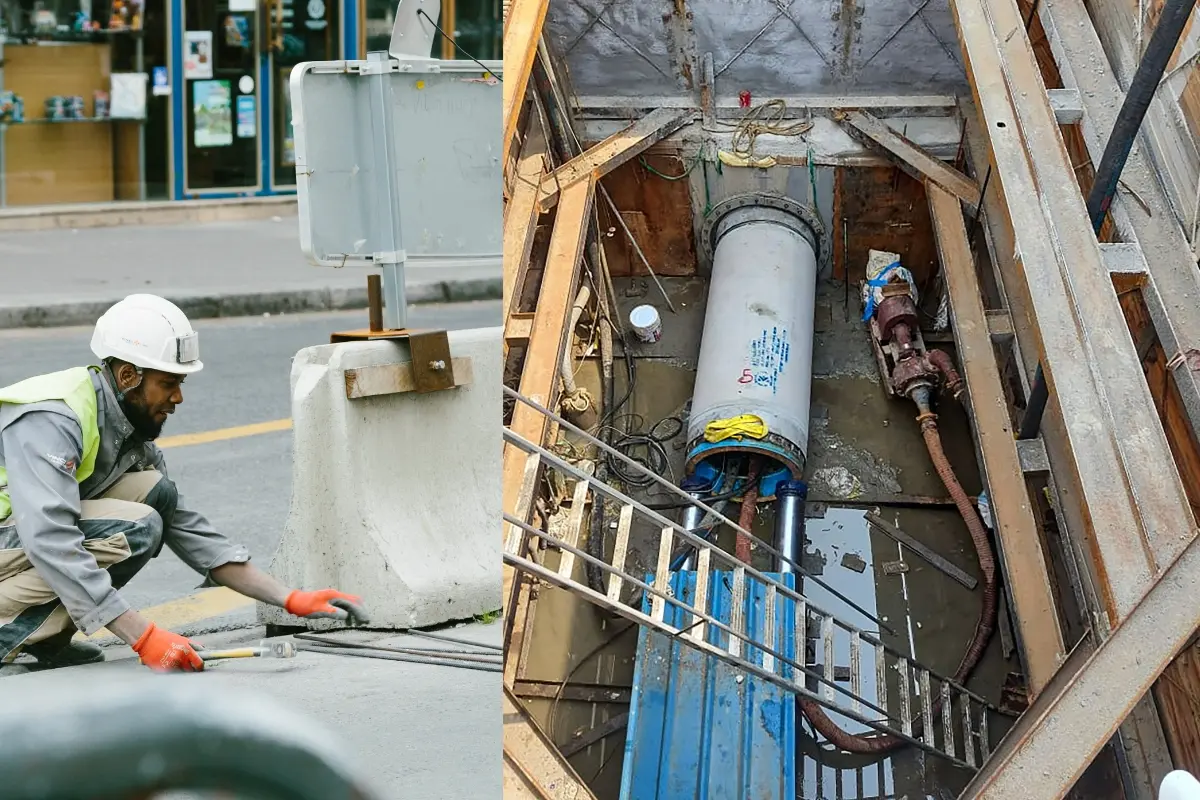
Kerala's capital, Thiruvananthapuram, is set to introduce microtunnelling, a trenchless technology that allows pipelines to be installed underground without digging up long stretches of roads. The method is expected to reduce traffic disruption and inconvenience to the public during pipe-laying work.
Administrative approval has been granted for the city's first microtunnelling project, with ₹2.11 crore allocated for the work. Pangode ward will be the first location to use the technology, followed by Poojappura and Valiyasala.
Officials have said the machine will be brought to the capital within 15 days, allowing work to begin.
How microtunnelling works
Unlike conventional pipe-laying, which involves digging trenches along roads, microtunnelling uses a remotely controlled boring machine to create a passage underground and install pipes as it advances.
A pit is dug at a designated location, and the machine is lowered into it. It then bores through the soil while pipes are installed behind it. This allows pipelines to be laid beneath roads without cutting through the tarmac or excavating the entire stretch.
The technology has been used successfully in states including Delhi and Uttar Pradesh. It is also suitable for locations where the soil is firm and where underground utility lines make conventional excavation difficult.
Microtunnelling is used internationally for laying pipes beneath highways, railway lines, rivers and other areas where open excavation could cause significant disruption.
Higher cost, but less disruption
Microtunnelling costs around five times as much as conventional pipe-laying, with the expense exceeding ₹1 lakh per metre. However, avoiding road excavation could reduce the additional costs associated with breaking up and restoring road surfaces.
Before work begins, inspections will be conducted in coordination with the Kerala State Electricity Board (KSEB) and the Kerala Water Authority to check existing underground utilities.
The new pipelines will be laid deeper than existing ones, according to the project details, to avoid damaging other pipelines.
The first phase is expected to benefit around 5,000 households.
Where the technology has limitations
Microtunnelling can be particularly useful where road closures are difficult, deep excavation is required or groundwater levels are high. It can also reduce noise, vibration and environmental damage compared with conventional excavation.
However, the method has limitations. Preparing the construction pit involves substantial initial costs, and unexpected ground conditions can stop the boring machine. Changes in soil strata may also require a different type of machine.
The technology therefore requires careful assessment of ground conditions and existing underground infrastructure before work begins.