Kannan Gopinathan IAS resignation row: Why his delayed exit is controversial now
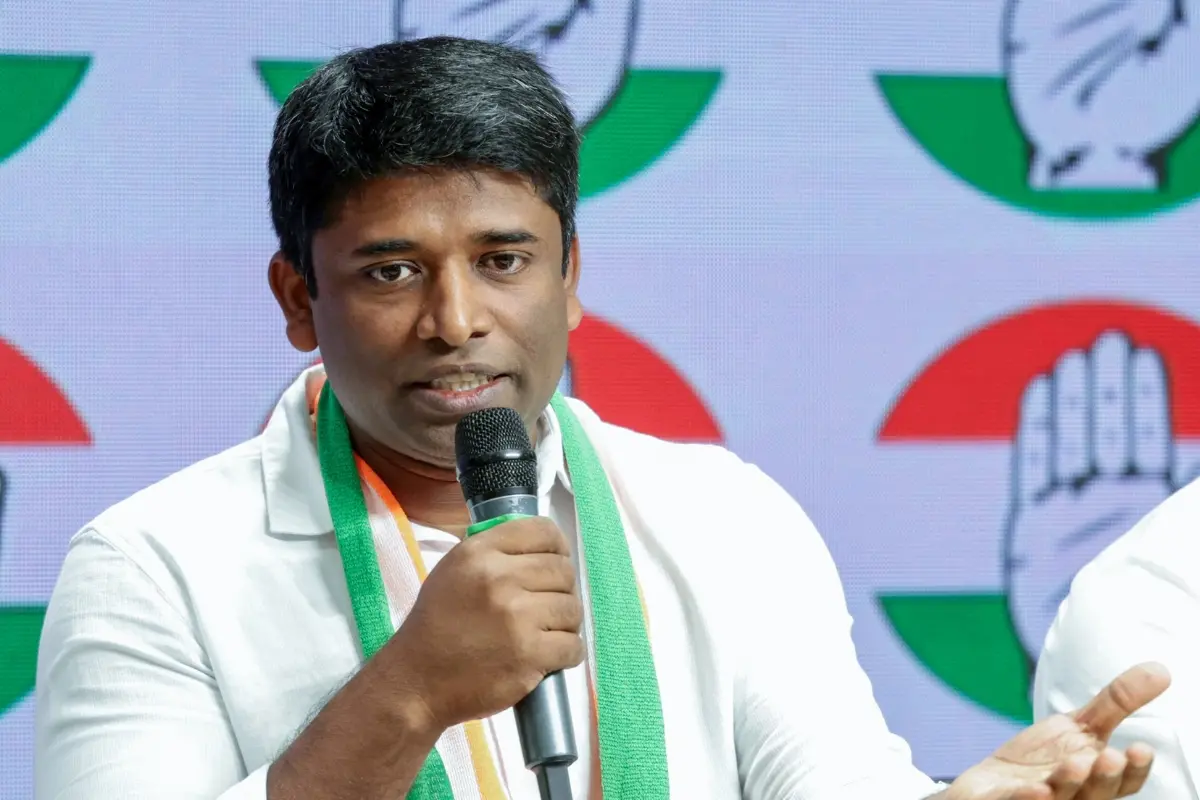
The pending resignation of former IAS officer Kannan Gopinathan has drawn renewed attention as questions emerge over administrative delays, service rules, and his subsequent entry into politics.
Resigned in 2019, his exit from the civil services is still awaiting formal acceptance, creating uncertainty around his official status. The situation has also sparked debate on whether serving officers can engage in political activity and how government procedures handle resignation requests, highlighting gaps in timelines and clarity within the system.
The resignation of former IAS officer Kannan Gopinathan, submitted in 2019, remains pending with the government, triggering debate over administrative delays. Reports indicate that the final recommendation has not yet been processed by the Department of Personnel and Training (DoPT), keeping the matter unresolved for years.
Why the delay is controversial
The controversy arises because there is no precedent for such a long delay in accepting an IAS resignation. Critics argue that prolonged inaction creates ambiguity about the officer’s official status and raises concerns about transparency in administrative procedures.
At the same time, government rules do not prescribe a fixed timeline for accepting resignations, allowing authorities to review multiple factors before approval.
Political activity adds to the dispute
Gopinathan’s involvement in political activity has further intensified the issue. In 2025, he joined a political party and was reportedly considered for electoral participation. However, since his resignation has not been formally accepted, questions have emerged about whether a serving officer can engage in political activities.
According to the All India Services (Conduct) Rules, serving officers are required to maintain political neutrality and are prohibited from associating with political parties.
What the rules say about IAS resignations
Resignations of IAS officers are governed by the All India Services (Death-cum-Retirement Benefits) Rules, 1958. Officers must submit unconditional resignations, which are then reviewed by authorities.
Before acceptance, the government may examine factors such as pending disciplinary cases, vigilance inquiries, financial obligations, and service requirements. This scrutiny can lead to delays, particularly if investigations are ongoing.
No fixed timeline but procedural checks required
While there is no statutory deadline for accepting resignations, administrative guidelines suggest that retaining an unwilling officer is not ideal. However, authorities may delay acceptance if there are unresolved issues or if the officer’s position is deemed important.
This balance between procedural checks and administrative discretion is central to the controversy in Gopinathan’s case.
Legal and administrative ambiguity highlighted
The case has highlighted gaps in administrative timelines and raised broader questions about how long resignations can remain pending. It also brings attention to the lack of clarity when an officer moves towards political engagement while still officially recorded as part of the civil services.
The controversy goes beyond a single resignation. It reflects larger concerns about governance, rule interpretation, and accountability in the civil services system. The situation has prompted discussions on whether clearer timelines or stricter procedural guidelines are needed to avoid prolonged uncertainty in such cases.