How safe are our children at home? The hidden dangers children face within their own walls
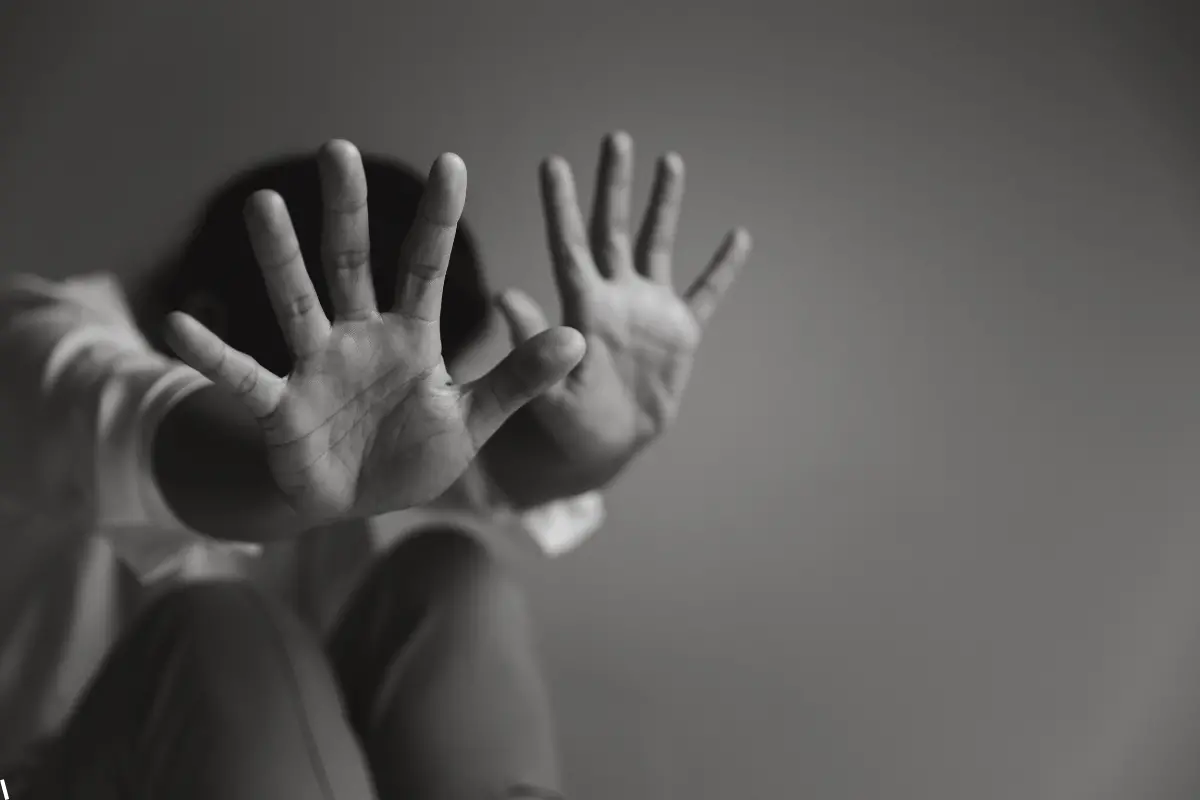
In the heartbreaking incident where a three-and-a-half-year-old girl was thrown into a river by her own mother, she was found to have been a victim of sexual abuse. The police have arrested the child's paternal uncle, who has confessed to abusing the child at home. This tragic case once again raises the urgent question: How safe are our children, even within the walls of their own homes?
Silent cries: How children express trauma
Children who experience abuse often show subtle but considerable changes in behaviour. They may develop a fear of going to certain places or meeting specific people. Disturbed sleeping patterns, recurring nightmares, bedwetting, and sudden bouts of crying can all be signs of deep emotional wounds. Loss of appetite and withdrawal from friendships may also indicate that something is wrong.
Sexual abuse can also cause physical symptoms. Children may complain of pain or discomfort in their genital area or show difficulty while sitting, walking, or during urination and bowel movements. These signs should never be ignored.
Abuse hides in familiar faces
Children who grow up in homes where there is emotional instability or neglect are more likely to experience abuse. When parents are physically or emotionally unavailable, whether due to work, separation, or entrusting the child’s care to others, it heightens the possibility of abuse. Shockingly, it is often those who are close to the family or frequently interact with the child who commit such acts. Many abusers use the child’s trust and emotional attachment as a mask, manipulating them into silence through fear or threats.
The role of a safe home environment
Lack of communication between parents, inattention, or toxic environments at home can place children in danger. Abusers take advantage of such instability. Familial issues like substance abuse, infidelity, or consistent neglect deeply impact a child’s emotional health and can make them more vulnerable to predators.
Shared responsibility: Children’s safety not solely the mother's responsibility
Raising a confident and safe child is a shared responsibility of both parents. It is dangerous to assume that child-rearing is solely the mother's duty. When a family atmosphere becomes chaotic and emotionally void, children may seek affection elsewhere, sometimes falling into the traps of abusers. Both boys and girls are equally at risk of sexual abuse, but boys often suppress their trauma.
What can parents and caregivers do?
Rathi Manoj, a sexuality health educator, shares key ways to prevent abuse:
• Teach children about body boundaries from a young age.
• Use correct scientific terms for sexual organ
• Help them understand the difference between good and bad touch.
• Explain how to recognise inappropriate behaviour and whom to report.
• Encourage open conversations about their day-to-day experiences.
• Know who your child is spending time with and maintain awareness of their interactions.
• Reassure kids that no matter what kind of dangerous situation they have encountered, their parents will always protect them.
• If you notice any unusual behaviour, calmly and supportively look over its cause.