Electricity from poop? Kerala’s Omni Processor project set to turn sewage into sustainable energy
Thiruvananthapuram: Human waste in Kerala’s capital is set to become a source of power. A new plant at the heart of Thiruvananthapuram will soon turn sewage sludge into electricity, marking a major step forward in sustainable waste management.
On Wednesday, LSGD Minister M B Rajesh inaugurated the construction of the Rs 36-crore Omni Processor at the Muttathara sewage treatment plant. The project has been fully funded by the Bill and Melinda Gates Foundation.
Sharing the news on Facebook, Rajesh said the philanthropic organisation set up by Microsoft founder Bill Gates and his wife had funded the project.
Solving a decade-long problem
Thiruvananthapuram has the state’s only extensive sewer system. Wastewater from homes and businesses is sent to the 107 million litres per day (MLD) Muttathara sewage plant, with 90–100 trucks delivering faecal sludge daily.
The plant uses the Activated Sludge Process (ASP), including screening, aeration tanks, clarifiers, sludge thickeners, drying beds, and chlorination units. It treats 55–65 MLD of sewage, including faecal sludge.
Officials said sludge management has been a challenge for over ten years, with around 5–8 tons of sludge piling up daily and often dumped on-site due to lack of demand. The Omni Processor was proposed to solve this long-standing issue.
How the Omni Processor works
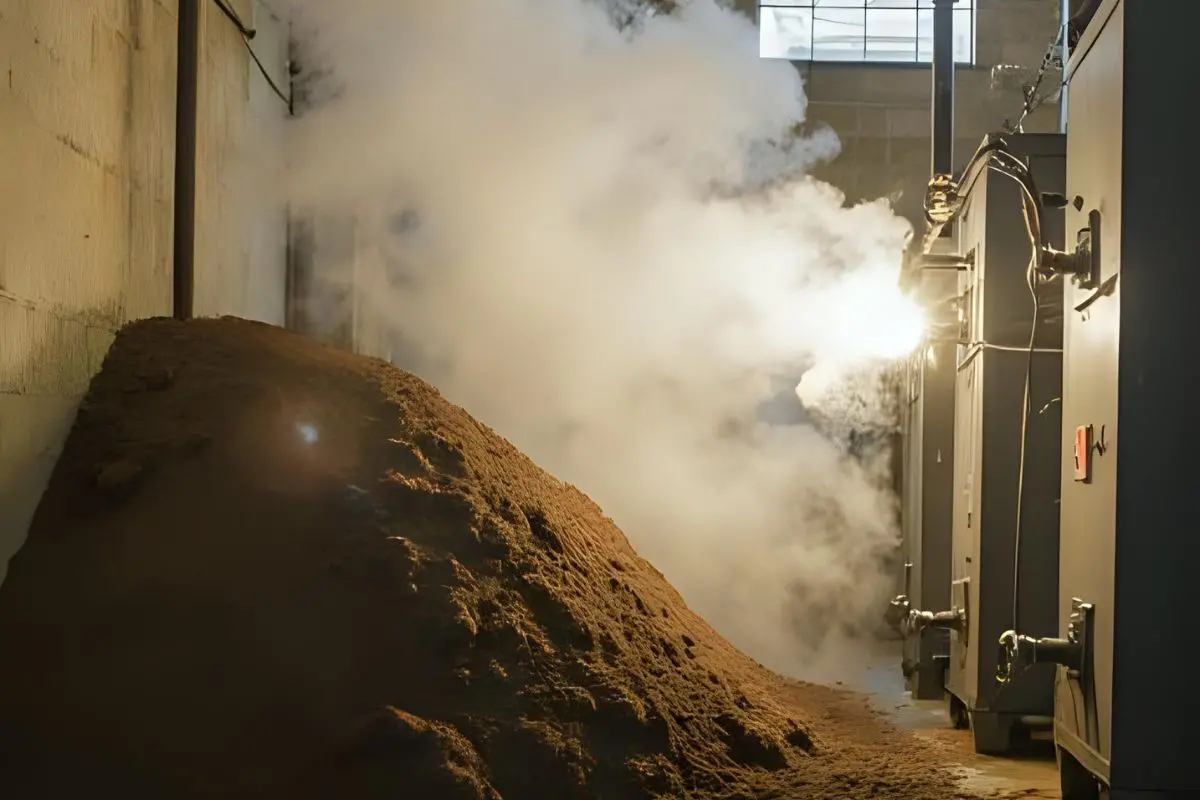
The Omni Processor is a decentralised thermal waste treatment system. It kills pathogens while recovering resources from faecal sludge, biosolids, and other waste streams. It also generates electricity for its own operation, along with treated water, distilled water, and ash as by-products.
The Muttathara plant, the largest liquid sewage treatment facility in Kerala, can process 10.7 million litres of sewage every day. Water is treated through the ASP system, while solid sludge will now be channelled into the Omni Processor to generate electricity.
“All electricity needs will be met”
"This means that not only will the plant be able to produce all the electricity it needs to operate, but the remaining sludge will also be completely eliminated," Rajesh said.
Bringing the project to Kerala
Construction is expected to finish by next March, when the plant will start operations. Rajesh said the active and effective intervention of the state government and the Swachh Bharat Mission made this possible.
Hyderabad had originally been suggested as the location. However, with support from the WASH Institute, which provides technical help to the Swachh Bharat Mission, the project came to Thiruvananthapuram.
Overcoming challenges
The next hurdle was clearance from the Airport Authority. Initial concerns suggested the location might have to change. But continuous efforts by the state government resolved the issues, and clearance was secured.
"This is how the project has now reached the stage of its construction inauguration," Rajesh said.