Dengue claims two more lives in Kerala, health minister urges caution
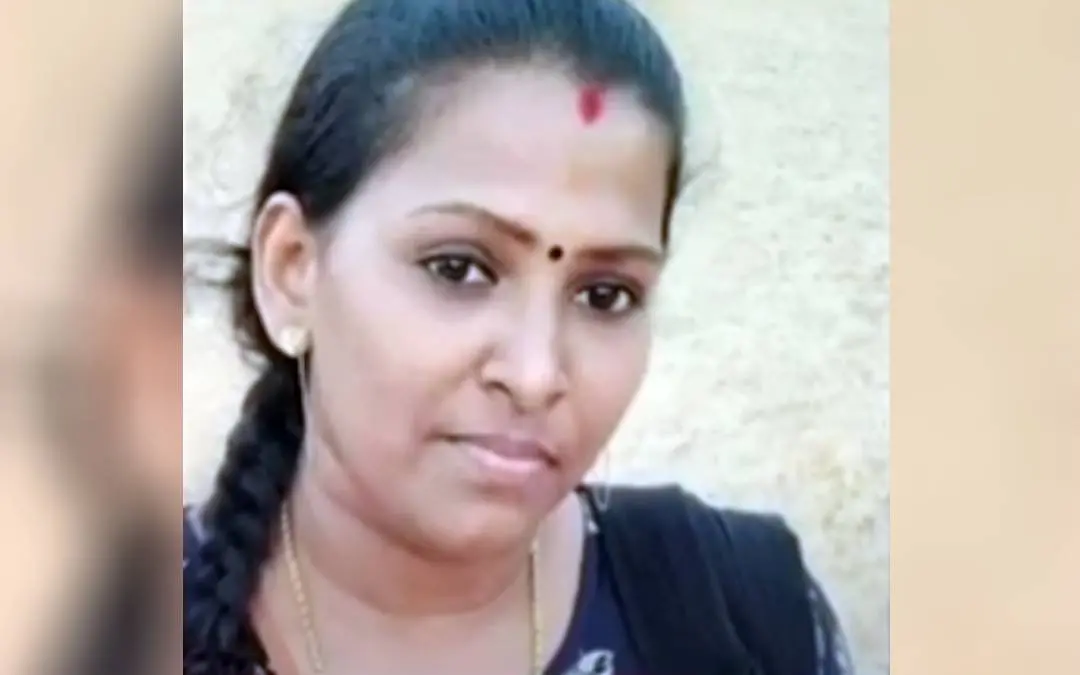
Thiruvananthapuram: Kerala witnessed two more fatalities due to dengue fever. Pathanamthitta and Kollam districts reported the deaths of Akhila (32) from Mundukottackal, Pathanamthitta, and Arun Krishna (33) from Chavara, Kollam. Akhila passed away while receiving treatment at a private medical college hospital in Thiruvalla, while Arun was undergoing treatment at a private medical college in Kollam.
Health minister Veena George has issued a warning regarding the need for caution against the outbreak of epidemics such as rat fever and dengue. The minister emphasised that there is no cause for concern regarding Covid cases, and hospitals have expanded their facilities, and health workers have been provided with necessary precautions.
The Department of Health has clarified that dengue fever can be contracted both indoors and outdoors. Common breeding grounds for mosquitoes include houseplants, money plants, and refrigerator trays. The department advises against allowing even a single droplet of water to accumulate inside or outside the house, as it creates favourable conditions for mosquito breeding. Furthermore, individuals who come into contact with mud or water are urged to take doxycycline as advised by healthcare professionals.
The rise in dengue fever cases in the state can be attributed to the breeding of mosquitoes in stagnant water. The Aedes mosquito is the primary carrier of dengue fever. These mosquitoes tend to breed in locations where ornamental plants such as money plants are grown in water.
Proactive measures: avoid water plants
The health department's assessment reveals that the rearing of money plants and other decorative plants inside houses and other premises has increased the potential for mosquito breeding. To mitigate this risk, it is recommended to refrain from growing such plants indoors. If they are planted, they should be placed in soil without. The primary preventive measure against dengue fever is the effective control of the Aedes mosquito.
Understanding Dengue: causes and symptoms
Dengue fever is caused by Aedes mosquitoes that breed in freshwater. These mosquitoes typically bite humans during the daytime. Symptoms generally manifest within 3 to 14 days after the virus enters the body.
Symptoms of dengue fever include a sudden onset of high fever, severe headache, pain behind the eyes, muscle and joint pain, the appearance of red bumps on the chest and face, nausea, and vomiting.
Recognizing warning signs
Individuals should remain vigilant for warning signs indicating the need for immediate medical attention. These signs include a decrease in fever accompanied by persistent vomiting, abdominal pain, unexplained bleeding from any part of the body, black stools, sudden shortness of breath, body redness, coldness, severe weakness, difficulty in breathing, a sharp drop in blood pressure, and continuous crying in children.
Importance of timely treatment
Timely treatment is crucial for dengue patients. Adequate rest is necessary, and attention should be given for an additional three to four days even if the fever subsides. Patients are advised to consume fluids abundantly, including salty porridge water, coconut water, and fruit juices. It is also essential for individuals with fever to rest and sleep inside mosquito nets.
Eliminating mosquitoes: key preventive measures
- Avoid stagnant water
- Regularly remove and safely dispose of items that may collect water, such as discarded plastic containers, non-biodegradable garbage, unused tires, and buckets
- Covering water tanks securely with netting or cloth is advised to prevent mosquito entry
- The use of mosquito repellent is recommended to avoid mosquito bites, and individuals should wear clothing that covers the body
- Additionally, implementing dry days once a week to eliminate mosquito breeding sources is highly encouraged