Why India won't offer pure petrol at fuel stations; Centre explains E20-only rollout
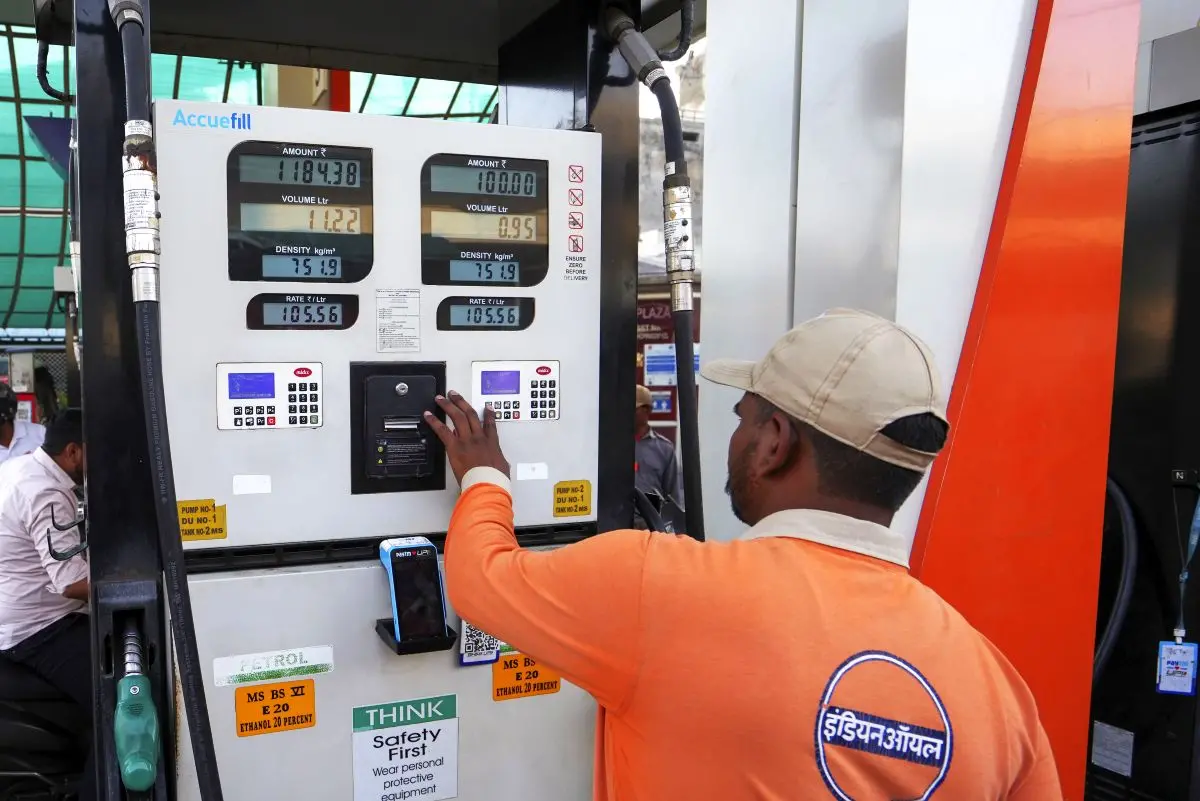
New Delhi: The Central government has clarified why pure petrol will not be made available alongside E10 and E20 petrol at fuel stations across India, citing the country's vast fuel distribution network and the logistical challenges of maintaining multiple fuel grades.
The clarification comes amid growing concerns from owners of older vehicles, many of whom worry that E20 petrol, which contains 20% ethanol, could affect vehicles originally designed for lower ethanol blends.
Why the Centre says pure petrol is not an option
According to the Ministry of Petroleum and Natural Gas (MoPNG), operating separate nationwide supply chains for pure petrol, E10 and E20 would create major operational and logistical difficulties.
India has more than one lakh fuel retail outlets, supported by an extensive network of refineries, terminals, depots and pipelines. The ministry said introducing multiple petrol grades across this network would increase handling costs, complicate inventory management and reduce overall operational efficiency.
The ministry also clarified that comparisons with premium petrol are not appropriate because premium fuels are niche products sold in limited quantities with specialised additives and do not require a separate nationwide fuel supply system.
Why India shifted to E20 petrol
The government said the move to E20 is part of a planned transition aimed at increasing ethanol blending and reducing dependence on imported fossil fuels.
According to the ministry, the decision followed extensive consultations with automobile manufacturers, testing agencies and other stakeholders. Technical evaluations examined vehicle compatibility, engine performance, fuel efficiency and emissions before the rollout.
What about older vehicles?
One of the biggest concerns raised by consumers is whether older vehicles, particularly those originally certified for E10 fuel, could be affected by prolonged use of E20 petrol.
Responding to these concerns, the ministry said automobile manufacturers participated in the evaluation process before the nationwide rollout of E20. It added that manufacturers would not have supported the transition or continued to honour vehicle warranties if the fuel had failed compatibility testing.
However, vehicle owners are still advised to follow the fuel recommendations provided by their manufacturers, especially for older models that were introduced before E20-compatible engines became common.
Why the debate continues
The availability of E20 as the standard petrol at filling stations has sparked debate among motorists who have sought the option of purchasing pure petrol or E10, particularly for older vehicles.
While the government maintains that the transition has been technically evaluated and is operationally necessary, some consumers continue to call for greater flexibility in fuel choices.
For now, the Centre has made it clear that introducing separate nationwide supplies of pure petrol alongside E10 and E20 is not being considered due to the complexity and cost of operating multiple parallel fuel distribution systems.