Why is the municipal authority considering a pigeon-feeding ban in Delhi?
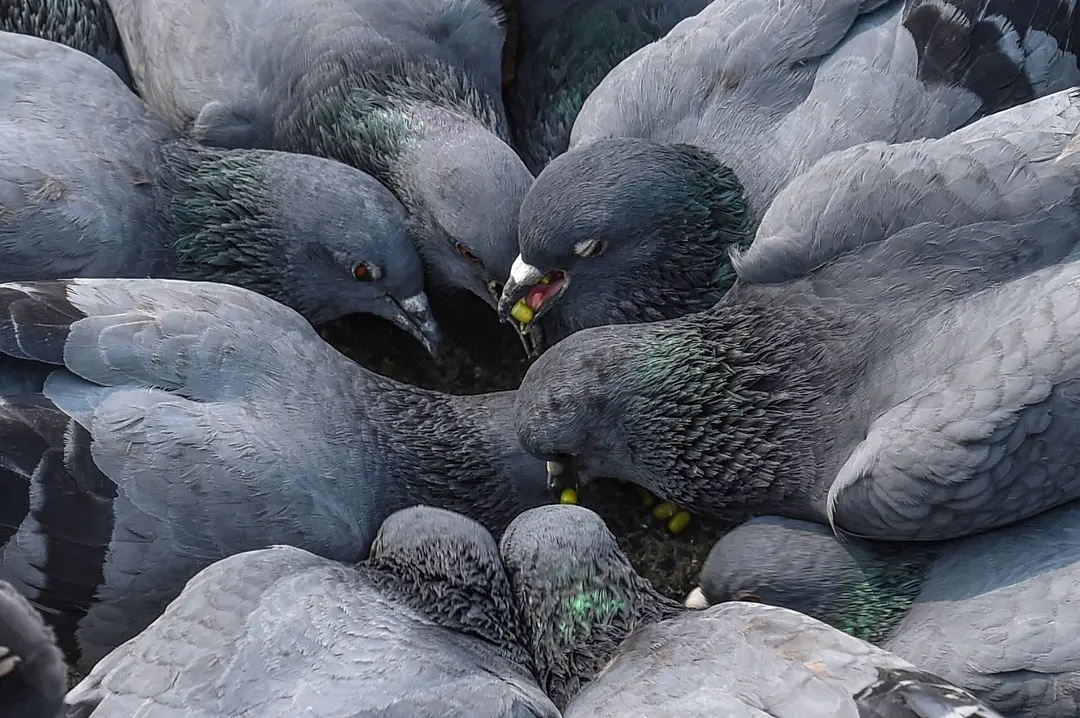
New Delhi: The Municipal Corporation of Delhi (MCD) is contemplating a proposal to ban pigeon-feeding spots throughout the city, citing potential health risks associated with the overpopulation of these birds. If approved, popular feeding areas typically found on pavements, roundabouts, and road intersections could be closed.
Health Risks of Pigeon Overpopulation
Officials from the MCD stated that the plan is still in its early stages, with an advisory expected soon. The proposal aims to address the health hazards posed by pigeon droppings, which can harbour pathogens such as Salmonella, E. coli, and influenza. These pathogens can exacerbate respiratory conditions like asthma and lead to severe allergic reactions.
Dr Ushast Dhir, Director and Head of the Department of Liver Transplant and Hepatobiliary Surgery at Sir Ganga Ram Hospital, warned, “When pigeons gather in large numbers, their droppings and feather fluttering create a breeding ground for various pathogens, particularly fungal spores like cryptococci. Inhaling these spores can lead to serious respiratory issues, including hypersensitivity pneumonitis, asthma, and even severe fungal pneumonia in individuals with conditions like diabetes. For transplant patients, exposure can be life-threatening.”
Increasing Health Risks for Residents
Dr Meet Ghonia, a resident doctor at the National Institute of TB and Respiratory Diseases, elaborated on the health implications: “Pigeons can lead to hypersensitivity pneumonitis, which may cause subsequent inflammation and fibrosis of healthy lungs in normal individuals. We are seeing many cases nowadays in our OPD. Chief complaints are cough and difficulty breathing.”
He added, “Symptoms will increase day by day with pigeon exposure. In the early stages, if we can start treatment along with avoidance of pigeon exposure, then it may be helpful to avoid further complications. But in later stages, this will lead to fibrosis of both lungs and eventually, it will be fatal.”
Survey and Advisory Plan
MCD officials mentioned that the proposal involves surveying existing feeding spots and issuing an advisory to discourage the practice, which has become prevalent in areas such as Chandni Chowk, Kashmere Gate, Jama Masjid, and India Gate. They stressed that the initiative aims to protect public health and reduce the risk of respiratory and other diseases linked to pigeon droppings.
“We are not against the presence of pigeons, but the issue arises when they gather in large numbers and their droppings accumulate in specific areas,” an MCD official stated. “This creates a health hazard, especially for children, the elderly, and those with respiratory conditions.”
PTI