Why is Datura dangerous? Toxic fruit puts quick-commerce apps under spotlight in K’taka
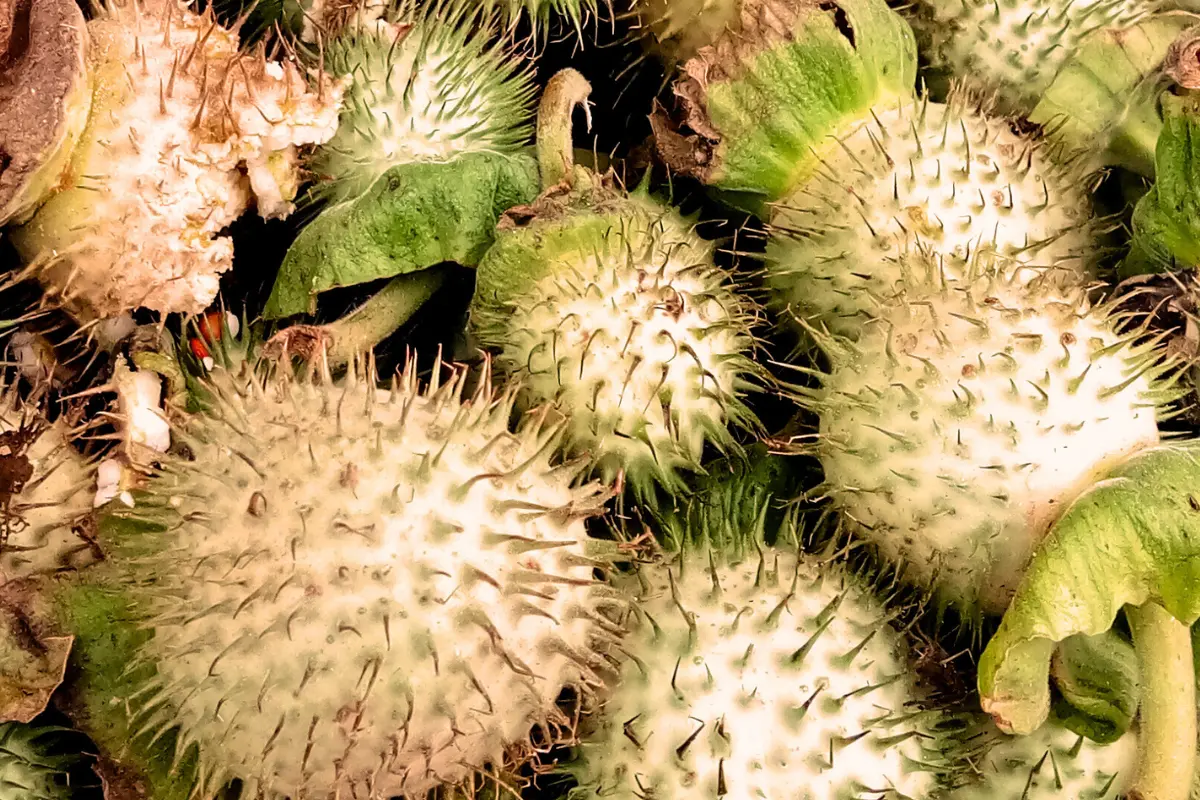
Bengaluru: The Karnataka Food Safety and Drugs Administration Department's suspension of food licences issued to Amazon, Instamart and BigBasket over the alleged online sale of poisonous datura fruits (jimsonweed) and seeds has brought renewed attention to the serious health risks associated with the plant.
The action was taken after complaints that datura products were being listed on e-commerce platforms for human consumption. The department's investigation found that the fruits and seeds were being displayed for sale on various online platforms, with some packets carrying FSSAI licence or registration numbers despite the products being toxic.
Officials also found that the products had been stored in warehouses and offered for sale or distribution through online platforms.
According to an NDTV report, BigBasket said it had stopped the online sale of the fruits and stated that it would correct the labelling in future to clearly mention “Not for human consumption”.
The regulator, however, found the responses and explanations unsatisfactory and maintained that storing, selling or distributing the products as food was impermissible.
The department has directed the concerned authorities to temporarily suspend, until further orders, the food licences issued to Amazon, Instamart and BigBasket. The licences and registrations of suppliers and sellers providing products to the platforms have also been ordered to be suspended with immediate effect.
The order further directs concerned food business operators to immediately remove or suspend all online listings and advertisements offering datura fruits or seeds for food or human consumption.
Why is datura fruit dangerous?
Datura is a highly toxic plant, with its fruits and seeds containing tropane alkaloids such as atropine, scopolamine and hyoscyamine. These compounds can affect the nervous system and cause potentially severe poisoning when ingested.
Consumption of any part of the plant, particularly the seeds, can lead to an anticholinergic toxidrome, a serious condition associated with disruption of normal nervous system function.
Symptoms of datura poisoning can include a rapid heart rate, dry mouth, blurred vision and high fever. More severe poisoning may cause confusion, disorientation, delirium and significant physical distress.
The concentration of these toxic compounds can vary considerably between individual plants, making it difficult to predict how much could cause poisoning. This variability also increases the risk of accidental overdose.