What is ‘jhalmuri’ and why is it grabbing national attention and business interest?
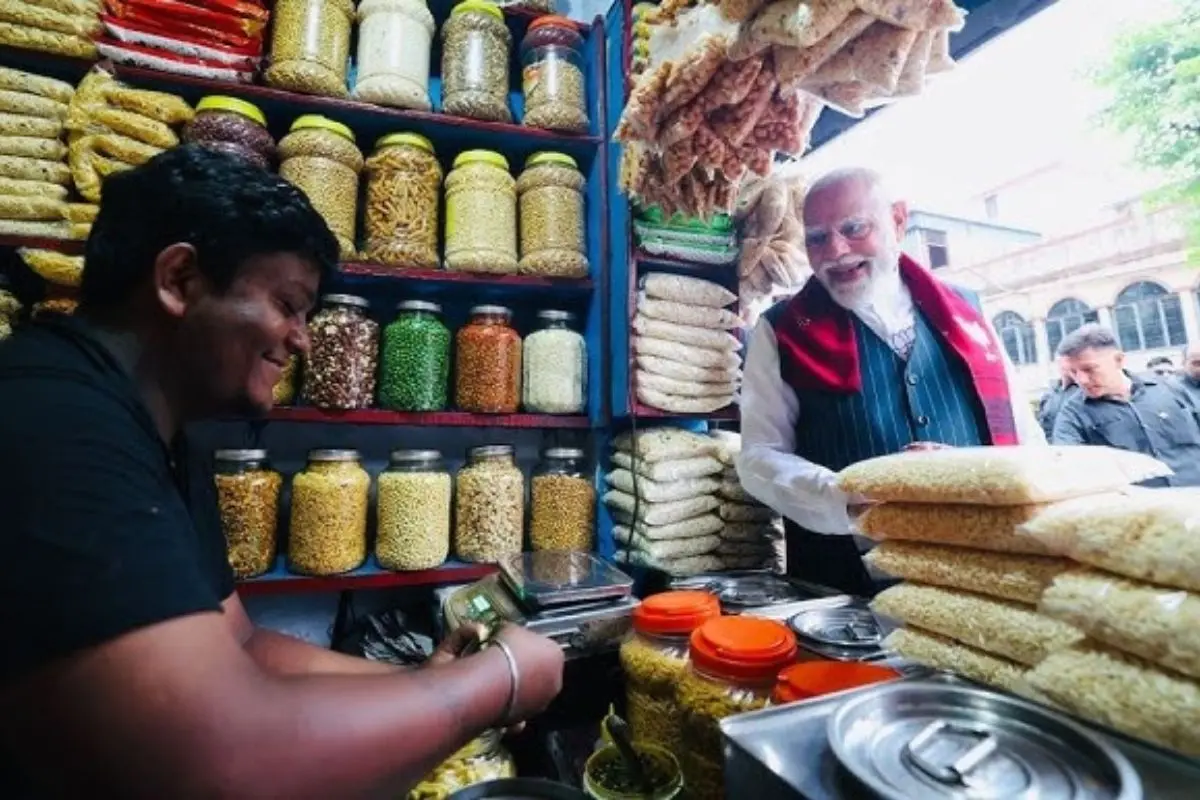
A humble snack of puffed rice has unexpectedly become a flavour of political triumph across India. Jhalmuri, once a simple roadside treat in West Bengal, is now described as a symbol of election success and a rising commercial product. It has shifted from train carriages to the heart of national celebrations.
While puffed rice, or muri, has been a basic food in Bengal for centuries, jhalmuri is a more modern preparation. In early texts, muri was referenced as a "poor man's offering". In rural Bengal, women traditionally prepared it at home to earn a small income, serving it with coconut or jaggery.
The modern form of jhalmuri developed with urban migration. It became popular among railway travellers as it stayed fresh in heat and remained inexpensive. Today’s versions are described as a complex "orchestra" of flavours, combining pulses, nuts, spices and pungent mustard oil.
Political symbolism enters the mix
The snack’s entry into political attention began when Prime Minister Narendra Modi stopped to buy a packet during an election campaign in Jhargram. The moment was later linked to the intensity of the political contest, with the Prime Minister noting that while he enjoyed the snack, rivals felt the "spice" of the contest.
Following election results that favoured the BJP, jhalmuri replaced traditional sweets in several victory gatherings. In Delhi and Uttar Pradesh, supporters distributed packets of jhalmuri during celebrations, describing the "magic" of the snack as reflecting their campaign’s impact. It was presented in these settings as a sign of defiance and victory.
Commercial shift and wider visibility
The political attention around jhalmuri has also led to commercial developments. In Rajkot, Gujarat, BJP workers marked celebrations by consuming jhalmuri introduced as a new product by Balaji Wafers. This followed widely circulated images of the Prime Minister consuming the snack.
In West Bengal, local vendors have also reported increased visibility, with some shops that served the Prime Minister gaining nationwide attention. From Kolkata to Gujarat, jhalmuri is described as a national phenomenon, with its presence extending across regions and commercial spaces. The "soul" of jhalmuri is now part of a wider public spotlight.