Why are loudspeakers being removed from Bengal's mosques? The row explained
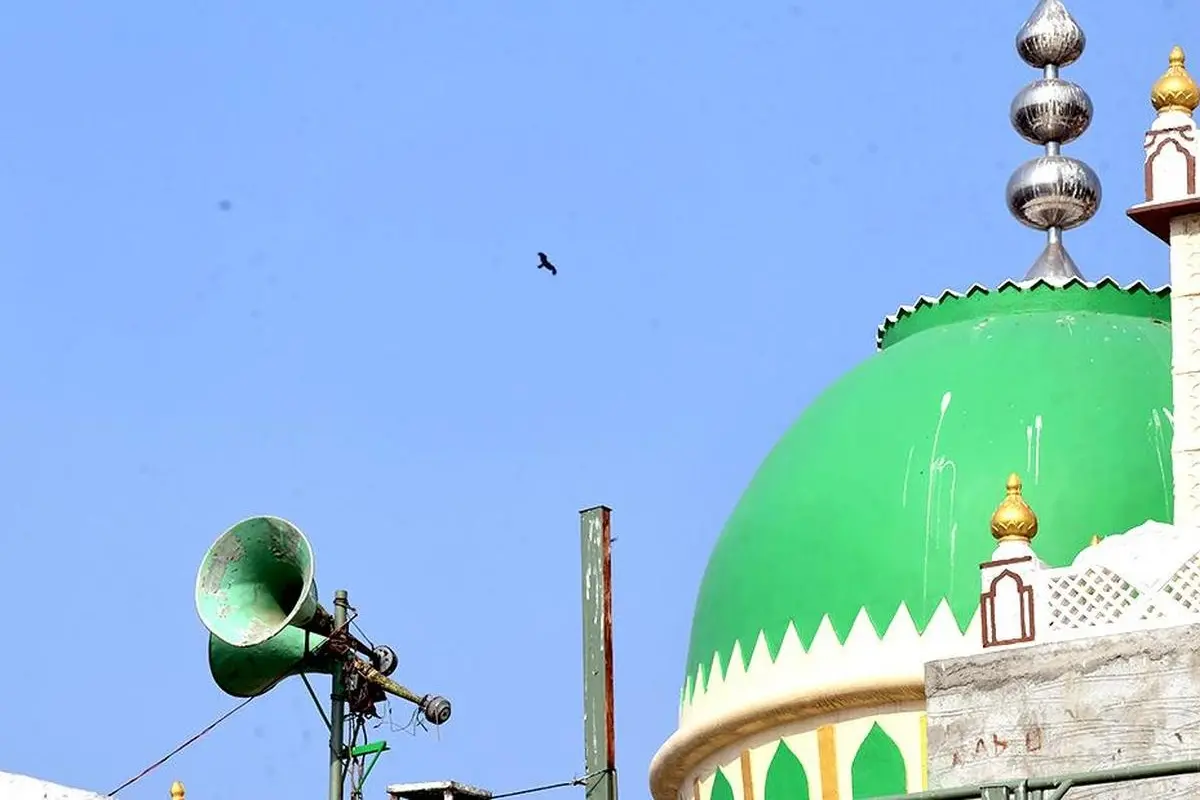
Kolkata: A large-scale drive to enforce noise pollution rules has triggered a political and religious controversy in West Bengal. Several mosque committees have claimed they received verbal instructions from local police to remove loudspeakers used for the azan, while the state government maintains that the campaign is aimed at ensuring compliance with court-mandated noise limits across all religious institutions.
The issue has quickly escalated into a political flashpoint, with opposition leaders accusing authorities of targeting mosques, while the BJP has insisted that the rules are being enforced uniformly on both mosques and temples.
What sparked the controversy?
The controversy began after mosque committees in different parts of the state alleged that police personnel visited them and asked them to remove or replace loudspeakers. According to those making the allegations, no formal written orders were issued, with instructions reportedly being communicated verbally.
The action follows the BJP government's decision, taken during its first Cabinet meeting, to strictly enforce existing court-mandated noise pollution regulations across religious places.
What do the noise rules say?
Under West Bengal's Noise Pollution (Regulation and Control) Rules, 2000, the use of loudspeakers requires police permission and must comply with prescribed decibel limits.
The government says daytime noise levels should remain within permitted limits, while stricter limits apply during the night. Authorities have argued that the campaign is intended to ensure compliance with these existing regulations rather than introduce new restrictions.
How many religious places were affected?
According to police officials quoted in multiple reports, loudspeakers were removed from around 1,500 religious institutions during the drive.
The reported figures include:
- Around 1,279 mosques
- Around 199 temples
Police officials have maintained that action has been taken uniformly wherever violations of prescribed noise limits were found.
Why are Muslim leaders protesting?
Several Muslim organisations and political leaders have objected to the manner in which the drive was conducted. They allege that police officers visited mosques and verbally pressured management committees to remove loudspeakers without issuing written notices.
Some leaders have argued that if any institution violates the rules, authorities should follow due legal process by issuing formal notices instead of relying on verbal directions.
The issue has prompted calls for statewide protests, while demands have also been made for the government to issue a standard operating procedure (SOP) explaining how the rules should be enforced.
Political reactions
Leaders from sections of the Trinamool Congress and the Indian Secular Front (ISF) have criticised the implementation of the drive, saying constitutional rights and religious practices must be respected while enforcing noise regulations.
Three rebel TMC MPs also met Union Home Minister Amit Shah and submitted a memorandum seeking protection of religious freedom while ensuring that noise pollution norms are implemented fairly.
The BJP has rejected allegations of discrimination, stating that the campaign applies equally to all religious institutions and is aimed solely at enforcing existing legal provisions on noise pollution.
The controversy is expected to remain politically significant as Muslim organisations have warned of protests if their concerns are not addressed. Some leaders have also indicated they may approach the Calcutta High Court seeking clarity on whether any official orders were issued and how the rules should be implemented.
With both legal and political questions now being raised, the debate has shifted beyond loudspeakers to broader concerns over the enforcement of environmental regulations and religious practices.