US Embassy denies visas to Indian executives and families over drug links
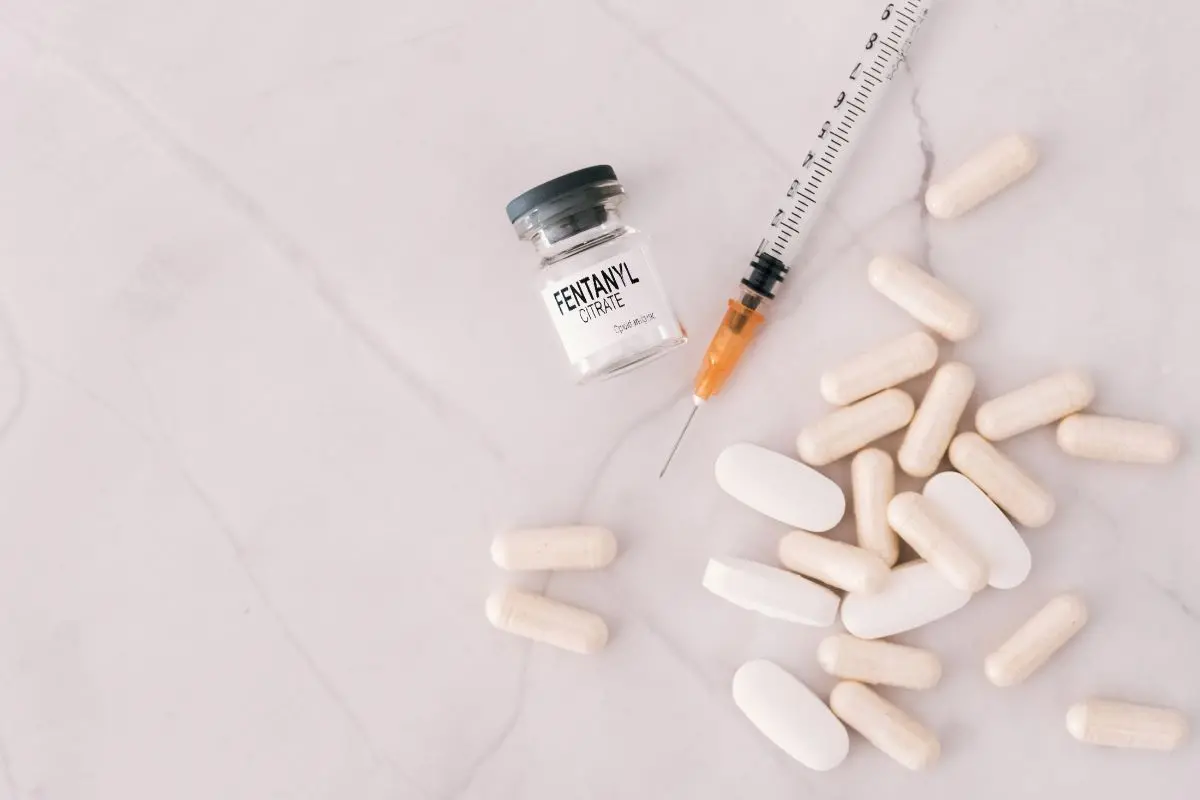
New Delhi: The United States Embassy in New Delhi has cancelled and denied visas of Indian business executives and their family members for their involvement in trafficking fentanyl precursors.
The embassy confirmed on Thursday that these actions were taken under sections 221(i), 212(a)(2)(C) and 214(b) of the Immigration and Nationality Act. The decision makes those individuals and their families potentially ineligible to travel to the US.
Why has the US taken this step?
According to the embassy’s official statement, the move highlights Washington’s firm position against the illegal drug trade, especially fentanyl, a synthetic opioid blamed for countless deaths.
“As a result of this decision, these individuals and close family members may be ineligible for travel to the United States. The Embassy is further flagging executives connected with companies known to have trafficked fentanyl precursors for heightened scrutiny if and when they apply for US visas,” the statement explained.
What did the US Embassy say?
Reiterating its stance, Charge d’affaires Jorgan Andrews said:
“The US Embassy in New Delhi remains steadfast in its commitment to combating illicit drug trafficking. Individuals and organisations involved in the illegal production and trafficking of drugs to the United States, along with their families, will face consequences that may include being denied access to the United States.”
The statement further stressed that executives tied to such companies would face extra checks for future visa applications.
How is India involved in this cooperation?
The embassy also acknowledged India’s support in this matter, pointing to joint efforts between the two countries.
“We are grateful to our counterparts in the Government of India for their close cooperation to combat this shared challenge. Only by working together will our two governments address this transnational threat and keep both our people safe from illicit drugs,” it said.
The action comes against the backdrop of earlier US efforts to stem the flow of fentanyl. Under the Trump administration, Executive Orders were issued to secure borders and fight drug trafficking. The embassy noted this move reflects continuing India–US cooperation on global challenges such as the illicit drugs trade.
“Together, we will build a safer, healthier, stronger future for America and India,” the statement concluded.
Despite the announcement, the US Embassy has chosen not to reveal the identities of the individuals or the companies linked to trafficking fentanyl precursors.
Agency inputs