UPI to launch in Malaysia soon as PM Modi holds talks, addresses diaspora in Kuala Lumpur
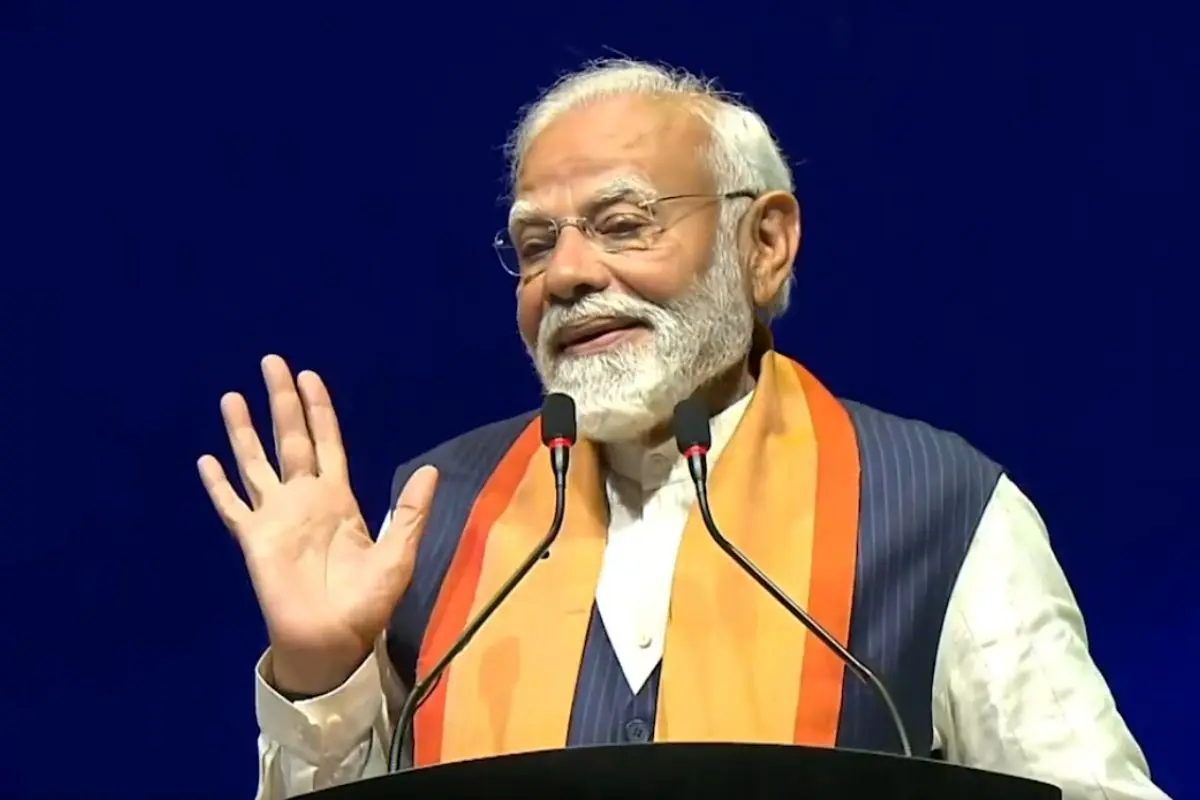
Kuala Lumpur: Prime Minister Narendra Modi on Saturday announced that India’s flagship digital payments platform Unified Payments Interface (UPI) will soon be introduced in Malaysia, marking a milestone in accelerating economic and financial integration between the two countries.
Modi’s remarks came as he kicked off a two-day official visit to Malaysia, his first foreign trip of 2026, with a wide-ranging agenda spanning defence, trade, technology, and people-to-people ties.
Addressing a packed gathering of Indian expatriates in Kuala Lumpur, Modi described the launch of UPI in Malaysia as a “significant step” that will facilitate seamless cross-border digital payments and give a boost to business, travel, and remittance flows between India and Malaysia.
India’s Unified Payments Interface has already been adopted by several countries, reflecting New Delhi’s push to internationalise its digital public infrastructure.
The visit underscores the momentum in India–Malaysia ties after New Delhi and Kuala Lumpur elevated their relationship to a “Comprehensive Strategic Partnership” in August 2024. Over the weekend, both sides are expected to firm up cooperation in areas such as trade, defence, technology, semiconductors, and digital collaboration.
Defence and technology on front burner
A key pillar of discussions during the visit will be defence cooperation. Indian officials have indicated that New Delhi is exploring opportunities to supply defence equipment like Dornier aircraft and offer maintenance, repair, and overhaul support for platforms such as Scorpene submarines and Su-30 fighter jets, reflecting a shift towards long-term strategic engagement rather than one-off sales.
In parallel, both nations are expected to sign agreements deepening collaboration in the semiconductor sector, an area of growing strategic importance as India strives to build a resilient domestic chip ecosystem and Malaysia seeks to play to its strengths in testing, packaging, and technology services.
Officials say the visit could also see the signing of memorandums of understanding spanning disaster management, UN peacekeeping cooperation, anti-corruption measures, and other areas of mutual interest.
Reaffirming ties with diaspora
Modi’s visit was punctuated by a vibrant cultural event attended by thousands of people of Indian origin, who number nearly three million in Malaysia, making them one of the largest Indian diaspora communities globally. Modi lauded their contributions to Malaysian society and described the community as a “living bridge” between the two nations.
Highlighting cultural links, he pointed out shared traditions, the popularity of Indian cinema and music, including Tamil songs and language affinities that continue to bind communities across generations.
Malaysian Prime Minister Anwar Ibrahim personally welcomed Modi at the airport and accompanied him to the diaspora event. Modi noted this gesture as symbolic of the warm and respectful ties between the two countries.
Broader economic and regional context
Bilateral trade between India and Malaysia has grown steadily, reaching around $20 billion, underlining the importance of economic cooperation within the ASEAN framework.
The two sides are also reviewing frameworks like the ASEAN-India Trade in Goods Agreement (AITIGA) to enhance trade facilitation.
The visit reinforces India’s broader Act East Policy, aimed at deepening engagement with Southeast Asian nations on economic, security, and cultural fronts. Malaysia’s strategic location and role in ASEAN make it a key partner in these efforts.
Talks during Modi’s visit are set to continue into Sunday, with both countries seeking to convert strategic intent into concrete outcomes that will shape future cooperation across defence, technology, finance, and beyond.