Knitwear capital of India: Tiruppur unites for crucial wage negotiations in November
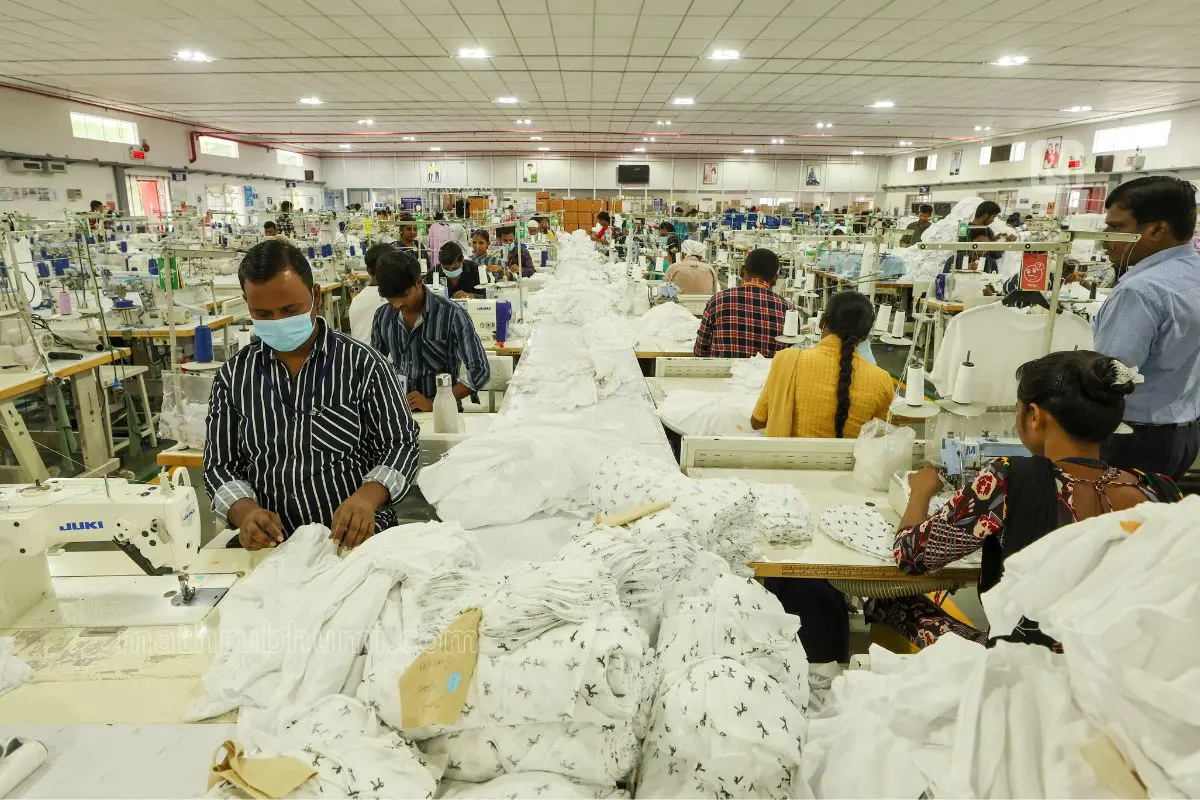
Chennai: All major associations representing manufacturers and exporters in Tiruppur’s knitwear sector have come together to form a joint committee to negotiate a new wage agreement with trade unions.
The move comes after the previous four-year wage pact expired in September 2025. Tiruppur, often called the “Knitwear Capital of India”, hosts around 22,500 companies and employs nearly 1 million workers, including a significant number of migrant labourers.
Traditionally, all manufacturers’ associations jointly negotiate a collective wage agreement every four years to maintain uniformity across the industry. With the expiry of the previous pact, trade unions pressed for immediate talks to revise wages and benefits. Responding to this, representatives from six major associations met earlier this week and agreed to form a joint negotiation committee.
The committee will include officials from key organisations such as the Tiruppur Exporters’ Association (TEA) and the South India Hosiery Manufacturers Association (SIHMA). The panel is expected to hold its first round of talks with trade unions on November 20, with the new agreement expected to be finalised within two months. Elections to fill the remaining committee positions will be completed shortly.
Trade unions are preparing proposals demanding substantial increases in wages and allowances, citing inflation and rising living costs. They seek proportionate hikes for both skilled and unskilled workers, along with revisions to time-based and piece-rate pay structures.
Beyond basic wages, unions are also pressing for improved benefits, including higher travel and tiffin allowances, better housing and educational support, and full implementation of statutory schemes such as Employees’ State Insurance (ESI) and Provident Fund (PF).
Industry sources expect intense negotiations, as manufacturers balance global market competitiveness with rising domestic labour costs. Both sides, however, remain optimistic that a mutually beneficial agreement can be reached before the year’s end, ensuring stability in one of India’s key export sectors.
IANS