Why Supreme Court took suo motu cognisance in Twisha Sharma death case?
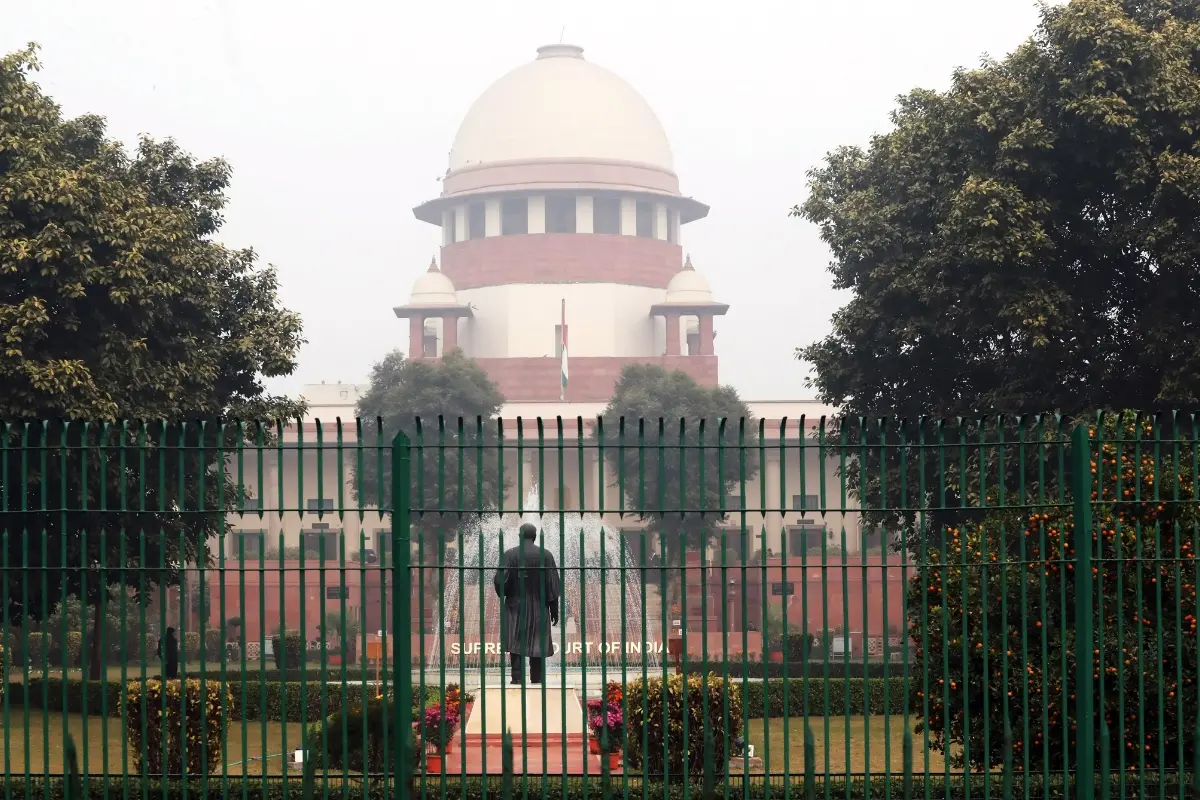
New Delhi: The Supreme Court of India on Monday urged both the family of deceased Twisha Sharma and the accused parties, including her husband Samarth Singh and her mother-in-law, a former judge, to refrain from making public statements regarding the ongoing investigation into her death in Bhopal’s Katara Hills area, emphasising that the matter must be handled through proper legal channels rather than media narratives.
Court flags media narrative concerns
A bench comprising Justice Surya Kant and Justice Joymalya Bagchi noted that public commentary from both sides was contributing to competing narratives and creating a perception that the judiciary may not ensure a fair investigation because one of the accused belongs to the legal fraternity.
The Court observed that such perceptions had prompted it to take suo motu cognisance of the case, stressing that it intended to ensure an impartial and credible investigation.
“We are slightly pained… don’t go for statements in the media. Otherwise, one section is saying the judiciary is not allowing a fair trial,” the bench observed, adding that it would ensure a fair and impartial probe.
Plea for restraint in public statements
The Court further advised all parties to present their statements before investigating authorities instead of airing them publicly, cautioning that media commentary could prejudice the investigation.
It also requested media organisations not to record statements from potential witnesses or accused persons, noting that such coverage could interfere with the fairness of the proceedings.
Allegations and legal representation
Solicitor General Tushar Mehta, appearing for the Madhya Pradesh government, informed the Court that one of the accused, the deceased’s mother-in-law, had been appearing on media platforms and making statements allegedly maligning the victim.
ALSO READ | Twisha Sharma case takes turn as accused’s lawyer withdraws before SC hearing
Senior Advocate Siddharth Luthra, representing the victim’s family, raised concerns over alleged delays in registering the FIR and sought clarity on procedural aspects until the Central Bureau of Investigation takes over the probe.
Probe to be handed to CBI
The Madhya Pradesh government has already informed the Court that the investigation will be handed over to the Central Bureau of Investigation. The Court also noted that the Madhya Pradesh High Court had ordered a second post-mortem examination to strengthen public confidence in the investigation.
High Court hearing scheduled
Meanwhile, the Bhopal High Court has scheduled a hearing on May 27 regarding pleas challenging the anticipatory bail granted to the mother-in-law, Giribala Singh. The bench also issued notice to her, seeking a response from both the victim’s family and the state government.
The High Court advanced the hearing date after the state government argued for urgency, noting that swift bail relief had been granted and requiring immediate judicial scrutiny.