9% of 2.43 lakh students report frequent suicidal thoughts: What SC survey found
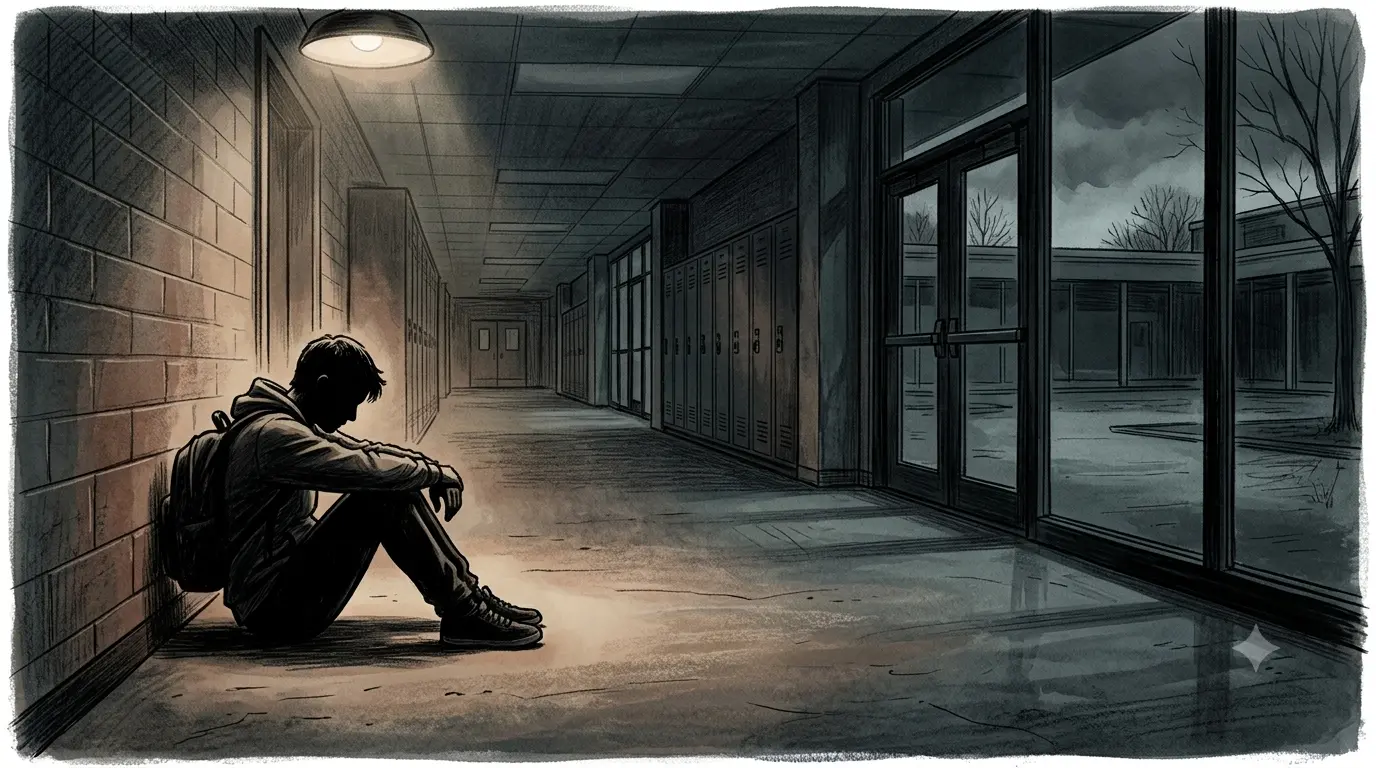
A nationwide survey of more than 2.43 lakh higher education students has found significant levels of distress, suicidal thoughts and feelings of exclusion on campuses, according to preliminary findings of a National Task Force appointed by the Supreme Court.
Nearly 9% of students surveyed said they had experienced suicidal thoughts often or very often during the previous year, while 15% reported experiencing a prolonged period of distress, low mood or anxiety during the preceding six months.
The findings come from a nationwide survey conducted as part of the Supreme Court-appointed National Task Force's work on student mental health and suicide prevention in higher educational institutions.
The task force's final report is expected to be submitted to the Supreme Court by October 31, 2026.
34% students felt like outsiders
The survey found that 34% of respondents reported feeling like outsiders on their campuses to varying degrees.
Around 67% of the respondents belonged to SC, ST and OBC communities.
The findings also highlighted concerns about students' trust in institutional systems. Only 56% said they trusted their institution's administration to deal with serious issues fairly.
Around 32% said their institution did not provide counselling services.
The figures raise questions not only about whether counselling facilities exist, but also about whether students know about them, trust the services and can access them when required.
Discrimination and campus pressures
The task force's work has examined several factors that can affect student well-being, including:
- Caste discrimination
- Gender discrimination
- Sexual harassment
- Language barriers
- Unequal academic attention
- Financial pressures
- Academic stress
- Mental health stigma
- Disability and ethnicity-related discrimination
The task force has collected information from students, faculty members, parents, mental-health professionals and higher education institutions. It has also conducted institutional visits and consultations.
The Supreme Court recorded that the task force had held 30 meetings at 19 institutional sites across several states.
Gaps in professional mental-health support
The task force's institutional findings have also highlighted gaps in access to professional mental-health services.
Reports on the task force's work indicate that more than 70% of surveyed institutions did not have a full-time mental-health professional, while fewer than 4% had formal suicide-risk management protocols.
These findings have brought attention to the difference between having general student-support arrangements and having specialised systems capable of responding to students facing an immediate mental-health crisis.
What has the Supreme Court directed?
The Supreme Court has already issued directions relating to student safety and institutional responses.
In January 2026, the Court directed higher educational institutions to report student suicides or unnatural deaths to the authorities and submit annual reports to the relevant regulators.
It also directed residential institutions to ensure access to qualified medical assistance around the clock.
The Court has separately addressed vacancies in higher education institutions, including reserved positions for marginalised and underrepresented communities.
Why the findings are preliminary
The task force has cautioned that the survey sample is not representative of the entire student population.
Several responses, including open-ended answers, were still being analysed when the preliminary findings were reported. The observations should therefore be treated as tentative until the task force completes its analysis.
The survey also does not provide a count of suicides during 2026 and does not establish that reported distress or suicidal thoughts were caused by any single campus factor.
The preliminary findings point to several interconnected areas that higher education institutions are being asked to examine: mental-health support, institutional trust, discrimination, campus inclusion and crisis-response systems.
The 9% figure refers specifically to students who reported experiencing suicidal thoughts often or very often in the previous year; it should not be interpreted as a suicide rate. Similarly, the 15% figure measures reported prolonged distress, low mood or anxiety and does not establish a clinical diagnosis.
The task force's final report is expected to provide a more comprehensive assessment and recommendations for preventing student suicides and improving mental-health support across India's higher education system.