Can CEC and Election Commissioners be prosecuted? Supreme Court examines legal immunity
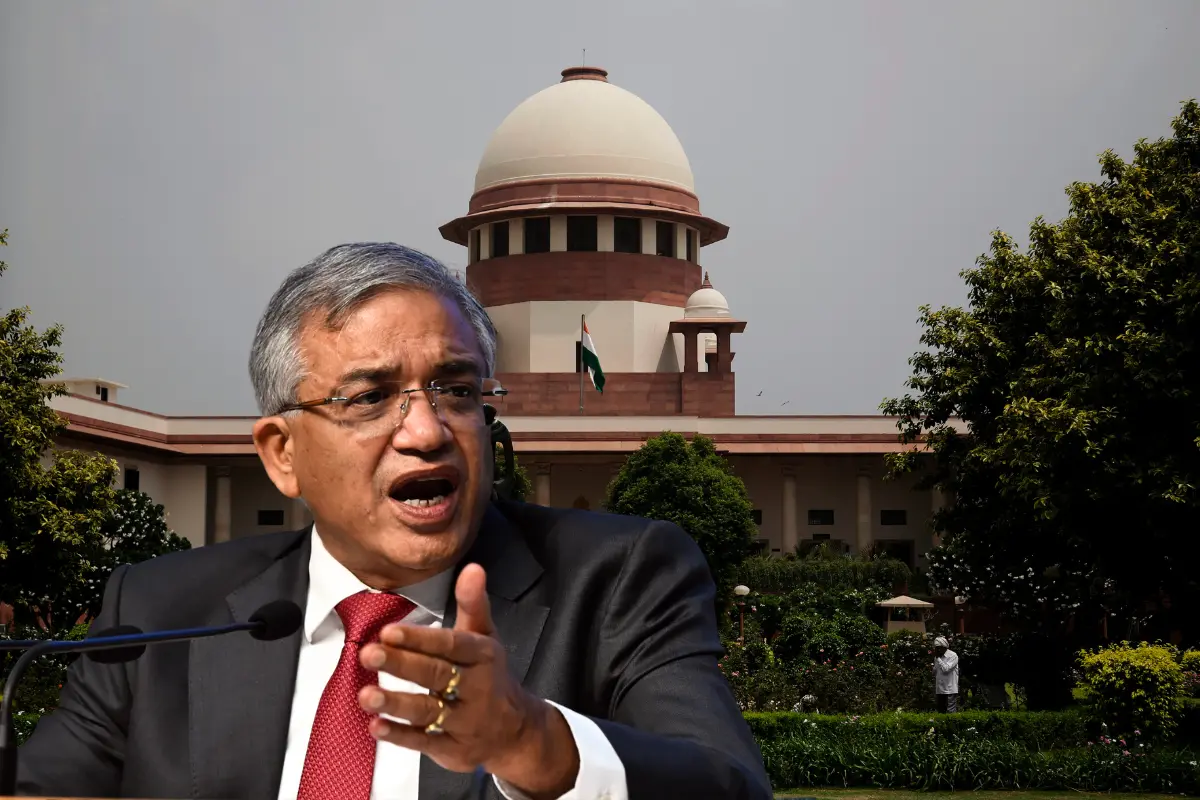
New Delhi: The Supreme Court has issued notice to the Centre and the Election Commission of India (ECI) on a petition filed by the Association for Democratic Reforms (ADR) challenging the legal immunity granted to the Chief Election Commissioner (CEC) and Election Commissioners for acts performed in the discharge of their official duties.
The challenge targets Section 16 of the Chief Election Commissioner and Other Election Commissioners (Appointment, Conditions of Service and Term of Office) Act, 2023, which bars courts from entertaining or continuing civil or criminal proceedings against serving or former election commissioners for acts or statements made in the discharge, or purported discharge, of their official functions. The petition has been tagged with related matters pending before the court and is scheduled to be heard alongside them on October 29.
Supreme Court to examine legal protection for election commissioners
The Supreme Court's latest notice brings the statutory protection available to India's top election officials under judicial scrutiny. The petition, filed by ADR, challenges Section 16 of the 2023 Act, which provides immunity from civil and criminal proceedings for acts, things or words committed, done or spoken by a serving or former Chief Election Commissioner or Election Commissioner in the discharge, or purported discharge, of official duties.
The court has sought responses from the Union government and the Election Commission. Issuing notice means the respondents have been asked to present their position; it does not mean the court has held the provision unconstitutional.
The case raises a fundamental legal question: how far can Parliament protect election commissioners from litigation arising out of their official functions without undermining the constitutional principles of accountability and the rule of law?
The provision does not, by its wording, extend to every act an election commissioner might commit in a personal capacity. Its stated scope concerns conduct connected with the discharge, or purported discharge, of official duties. The dispute centres on the extent and constitutional validity of that protection.
What does Section 16 of the 2023 Act provide?
Section 16 of the Chief Election Commissioner and Other Election Commissioners (Appointment, Conditions of Service and Term of Office) Act, 2023, states that no court shall entertain or continue civil or criminal proceedings against a person who is or was a CEC or Election Commissioner for an act, thing or word committed, done or spoken when, or in the course of, acting or purporting to act in the discharge of official duty or function.
The provision therefore covers serving as well as former election commissioners. Its language is central to the legal challenge because it restricts courts from entertaining or continuing proceedings within the category of conduct it covers.
The controversy is not simply about whether election officials should be protected while performing their duties. It concerns whether the protection, in its present statutory form, is constitutionally permissible and whether its scope could prevent legal scrutiny of alleged misconduct connected with official functions.
The distinction between institutional independence and accountability is at the heart of the dispute