Critical care in crisis: Supreme Court orders nationwide ICU audit within strict timeline
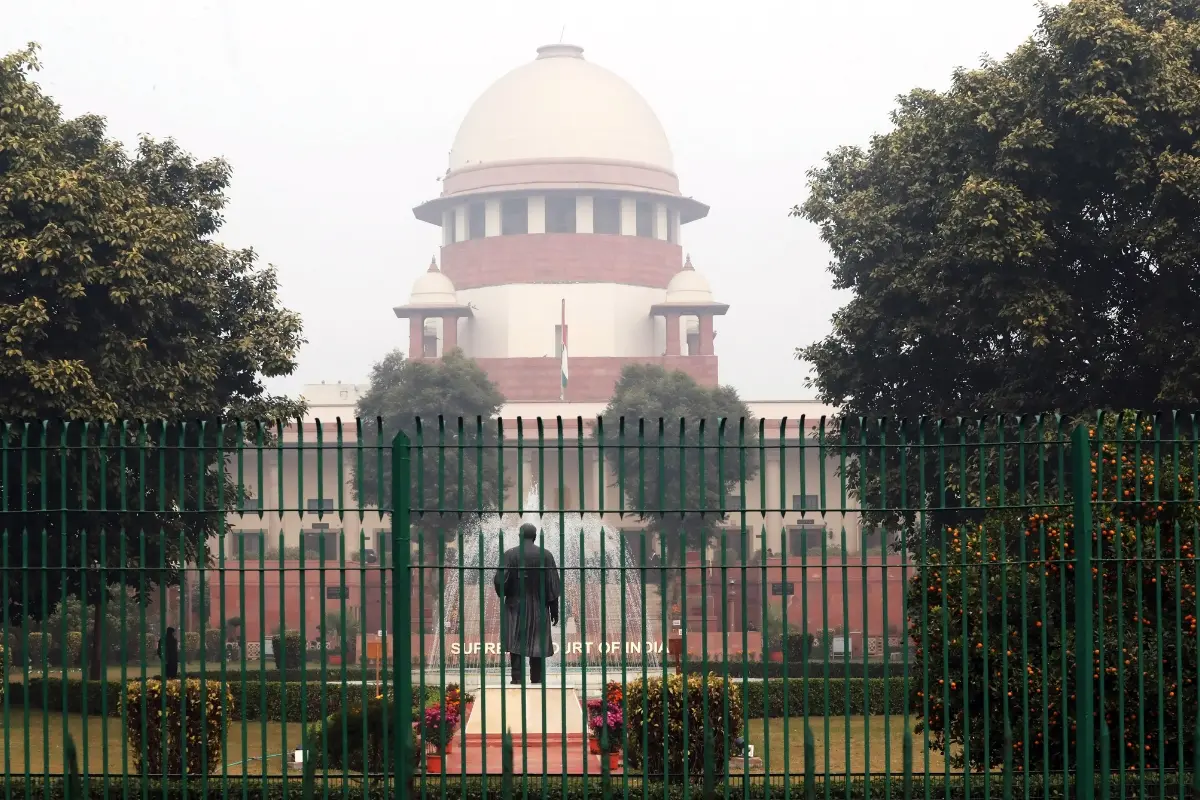
New Delhi: The Supreme Court’s decision to order a nationwide audit of ICU facilities and nursing colleges comes at a time when concerns over India’s critical care capacity, uneven hospital infrastructure, and gaps in medical training have been steadily growing.
The court has given states and Union Territories two months to complete a gap assessment, signalling urgency in addressing systemic weaknesses in healthcare delivery.
The order was passed by a bench of Justices Ahsanuddin Amanullah and R Mahadevan, which is currently examining the framing of uniform national guidelines for ICUs. The matter has brought into focus how India’s critical care system varies widely across regions, with significant differences in equipment availability, staffing levels, and treatment standards.
At the centre of the court’s intervention is the recognition that demand for intensive care has risen sharply, while hospital capacity has not expanded at the same pace. The court observed that in many cases, patients in life-threatening conditions struggle to access timely ICU treatment due to infrastructure gaps and lack of coordination between healthcare facilities.
The court’s directions are based on draft ICU guidelines prepared by a 17-member expert committee, which proposes a structured three-tier ICU system ranging from basic to advanced critical care. The aim is to bring uniformity in how ICUs are defined, equipped, and staffed across the country.
Alongside ICU infrastructure, the Supreme Court has also turned its attention to nursing education. It has ordered a nationwide audit of around 800 nursing colleges under the Indian Nursing Council, asking for a detailed report on whether students are receiving adequate hands-on clinical training. The court also questioned existing rules that allow nursing colleges to be located far from teaching hospitals, raising concerns that such arrangements weaken practical exposure.
The issue of training quality has emerged as a key concern, with experts assisting the court pointing out that a significant number of nursing graduates may not be getting sufficient real-world experience with patients. This, the court noted, directly affects the quality of frontline healthcare delivery.
Another factor influencing the urgency of the order is the lack of coordinated emergency systems. The court discussed the need for better integration between hospitals, faster patient transfer mechanisms, and improved ambulance services. Suggestions such as GPS-based mapping of hospitals and standardised ventilator-equipped ambulances were also considered as part of a broader effort to strengthen emergency response systems.
By cutting the timeline for states to just two months, the Supreme Court has signalled that it views the issue as requiring immediate corrective action rather than prolonged review. The matter is scheduled to be heard again on August 13, when responses from states, the Indian Nursing Council, and other authorities will be examined.
The intervention reflects a wider judicial concern over the state of critical healthcare infrastructure in India, particularly as the country continues to face rising population pressure and increasing demand for specialised medical care.