Subhas Chandra Bose’s great-grandson writes to President for Netaji’s ashes from Japan
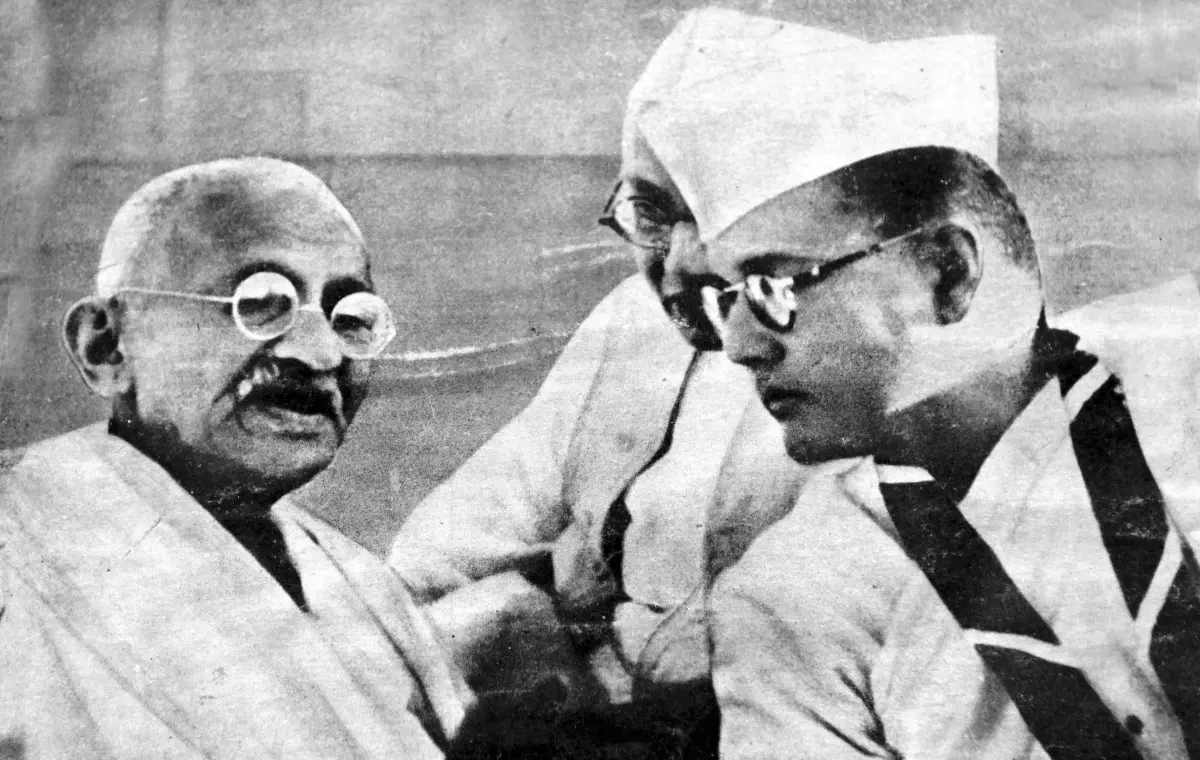
Delhi: Netaji Subhas Chandra Bose’s great-grandson, Chandra Kumar Bose, has written to President Droupadi Murmu requesting the repatriation of Netaji’s remains from Renkoji in Japan to India. The demand coincided with the run-up to elections in the state, renewing the family’s call ahead of the polls.
In a letter dated December 24, Chandra, who is a convenor of The Open Platform for Netaji and a socio-political commentator, outlined a proposal for commemorating Bose’s legacy for present and future generations of India.
He wrote, "Your Excellency, I am writing to you as a member of the family of Sarat Chandra Bose and Netaji Subhas Chandra Bose and to place before you a proposal for the further commemoration of their legacy for the present and future generations of India."
Chandra also highlighted the 80th anniversary of the establishment of the Provisional Government of Azad Hind by Netaji in Singapore. "As you know on 21 October 2025, we celebrated eight decades of the establishment of the Provisional Government of Azad Hind by Netaji in Singapore," he said, adding that he was aware of plans to establish an Indian National Army (INA) monument in Delhi to honour the soldiers who fought in the final struggle against British imperialism, and to hark back to Netaji’s famous call of "Chalo Delhi."
Why is the repatriation of Netaji’s remains significant?
Chandra drew attention to the location of Netaji’s remains. "You are also aware that Netaji's remains rest in faraway Japan at the Renkoji temple in Tokyo. INA veterans through the decades as well as Netaji's daughter Professor Anita Bose-Pfaff and members of his family have approached the Government of India on numerous occasions to bring back the hero's remains to his motherland. We appeal to you to take positive action in this matter. Jai Hind!," the letter concluded.
How did Netaji die and where are his remains preserved?
Netaji Subhas Chandra Bose died in a plane crash in Taiwan on August 18, 1945. Following his death, his ashes were placed in the Renkoji Buddhist temple on September 18, 1945. The temple’s chief priest pledged to safeguard them.
The temple houses a bronze statue of Netaji and a small golden pagoda where the ashes are preserved. A memorial service is held there every year on August 18.
Several inquiry commissions have confirmed that Netaji died in the crash, though some controversies surrounding his death remain. Over time, the temple has become a symbol of remembrance for the great warrior of India’s independence.