Strait of Hormuz closed to ‘enemies’, open to others, says Iranian envoy in India
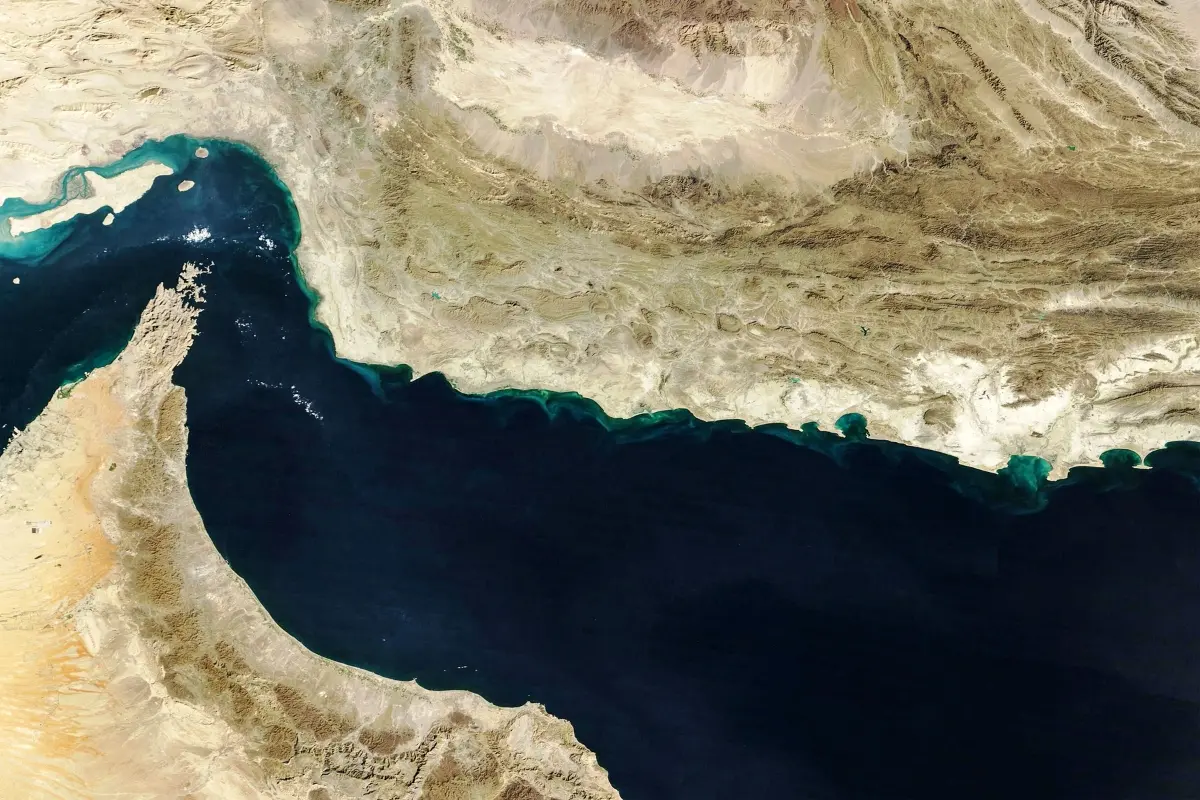
Patna: Describing the ongoing global energy disruption as a consequence of the conflict between Israel and the United States against Iran, Dr Abdul Majid Hakeem Ilahi, representative of Iran’s Supreme Leader in India, said on Sunday that the Strait of Hormuz has been shut to Tehran’s adversaries, while other nations remain free to use the route.
Hormuz access and Indian shipping
Citing media reports, Ilahi noted that some Indian vessels have already travelled through the Strait and expressed hope that such movement would continue.
When asked whether Indian ships should be permitted passage, he responded, “Yes. Up to now, some Indian ships have passed, and I hope that will continue.”
He further clarified that access restrictions are tied to security concerns rather than a blanket prohibition. “Before this war, there were no issues. This shows that the root of the crisis is the conflict itself. It is not a question of whether Iran allows passage. It is a matter of security. Certain hostile countries using the Strait for attacks on Iran are restricted, while others are free to pass,” he said.
War duration depends on aggressors
Responding to questions about the possible end of the conflict, which began on February 28, Ilahi stated that its duration depends on those who initiated it.
“It depends on the countries who initiated this war,” he said, adding that hostilities would cease if attacks on Iran were halted.
“They started attacking and killed a lot of civilians. If they stop this, the war will end,” he added.
India’s role in peace efforts
On whether India could contribute to easing tensions between the United States and Iran, Ilahi suggested that every nation has a role to play in de-escalation.
“All countries can play a good role in stopping this war,” he said.
Remarks on Pakistan’s involvement
Addressing speculation about Pakistan acting as an intermediary in the conflict, Ilahi dismissed such claims. He said reports of communication between Iran and the United States via Islamabad were inaccurate and suggested that Washington’s primary concern was stabilising oil prices.
“They don’t have any role in this war. A conversation between Iran and America through Pakistan was not true because they only wanted to stop the rise in oil prices. They were trying to use some countries,” he said.
Visit to Patna
Ilahi also mentioned that his visit to Patna was at the invitation of local supporters. He said he had come to express gratitude for their solidarity, sympathy and condolences.
Background of the conflict
The current conflict in West Asia began after joint military strikes by the United States and Israel on Iran on February 28. The attacks resulted in the death of Iran’s 86-year-old Supreme Leader, Ayatollah Ali Khamenei.
In response, Tehran launched strikes targeting Israeli and American assets across several Gulf nations. The escalation has disrupted key maritime routes, particularly in the Strait of Hormuz, and has had a significant impact on global energy markets and overall economic stability.
ANI inputs